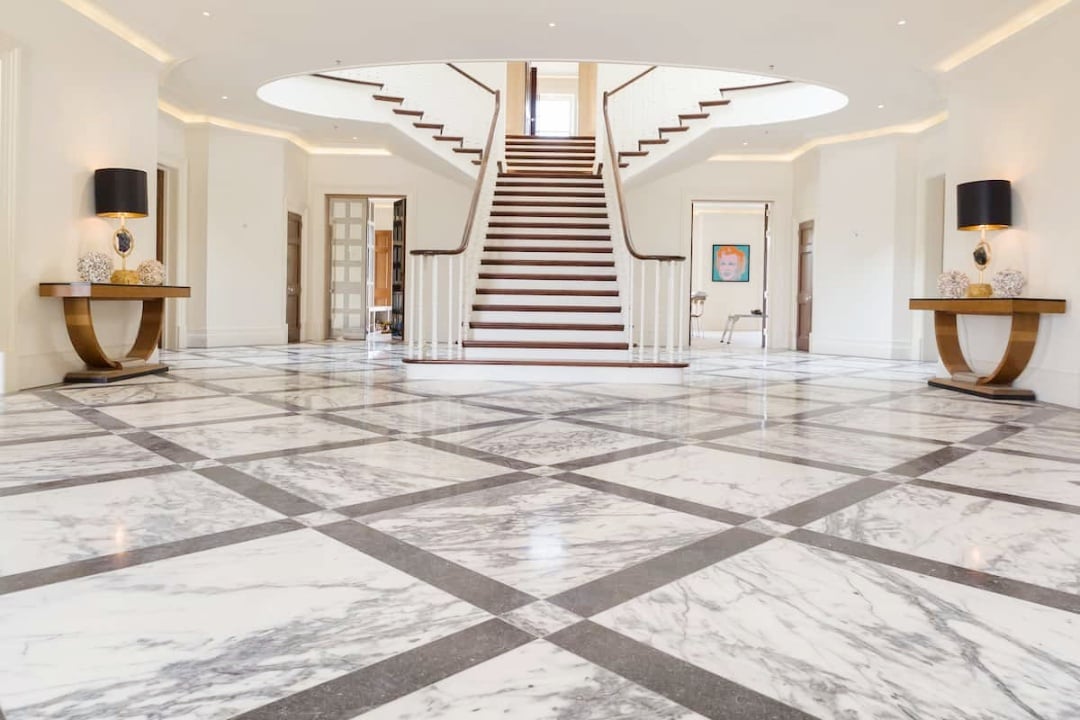
Safety First: PEI Rating and Slip Resistance for Commercial Floor and Tile Why PEI 4–5 Is Non-Negotiable for Heavy Foot Traffic Durability Tile floors in busy places such as airports and big shopping centers need to hold up against all that w...
VIEW MORE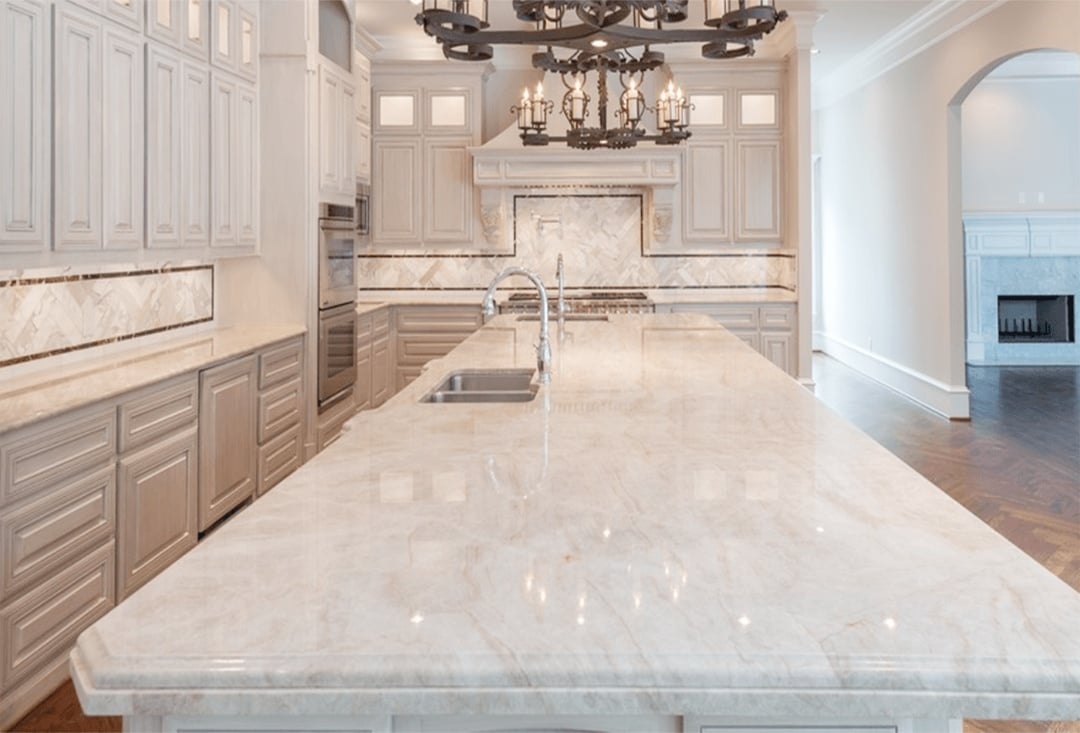
Exceptional Durability: Quartzite Slabs Outperform Granite, Marble, and Engineered Quartz Mohs Hardness (7–8) and Compressive Strength (200–300 MPa): Quantifying Quartzite Slab Resilience On the Mohs hardness scale, quartzite sits at ar...
VIEW MORE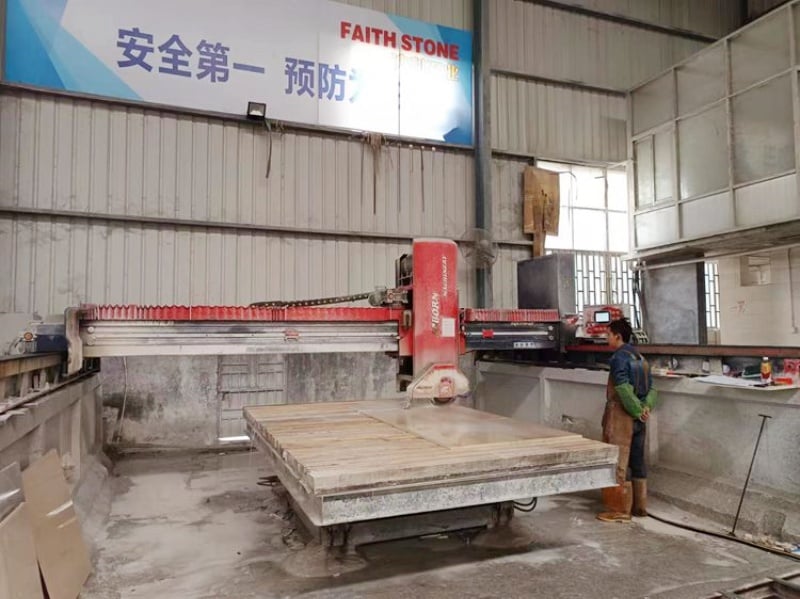
Visual Inspection: First-Line Quality Screening for a Marble Supplier Begin by examining the slab under natural or neutral lighting. Look for uniform color distribution and consistent, organic veining—abrupt shifts may indicate batch mismatch...
VIEW MORE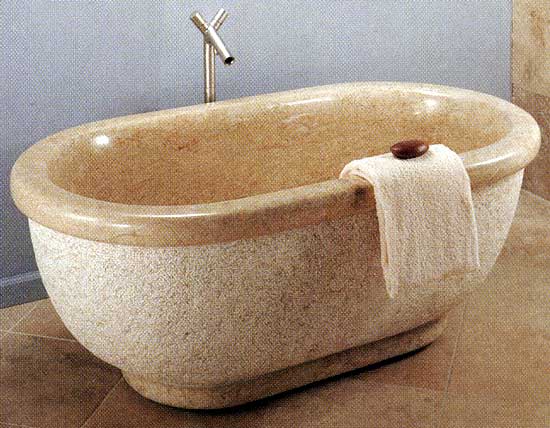
How Thermal Mass Affects Heat Retention in Stone Bathtubs Density, Specific Heat, and Material Composition of Natural Stone Thermal mass—the ability of a material to absorb, store, and gradually release heat—is central to the performanc...
VIEW MORE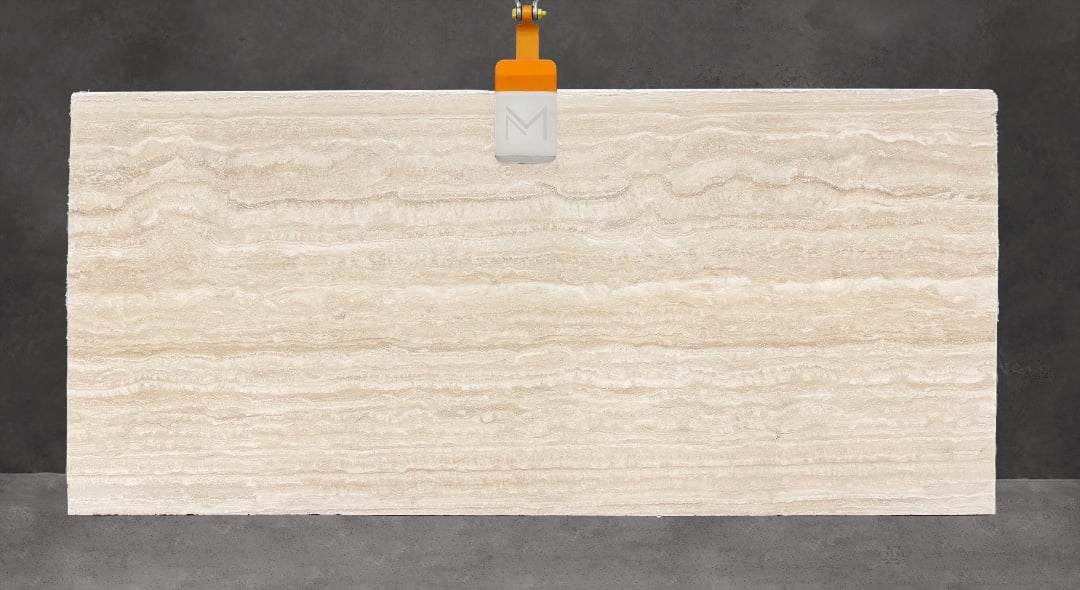
Primary Color Families of Travertine Stone Light Tones: Beige, Cream, and Ivory Travertine Stone Travertine gets its color from calcium carbonate deposits, creating those lovely light tones we see in beige, cream, and ivory shades with hints of iro...
VIEW MORE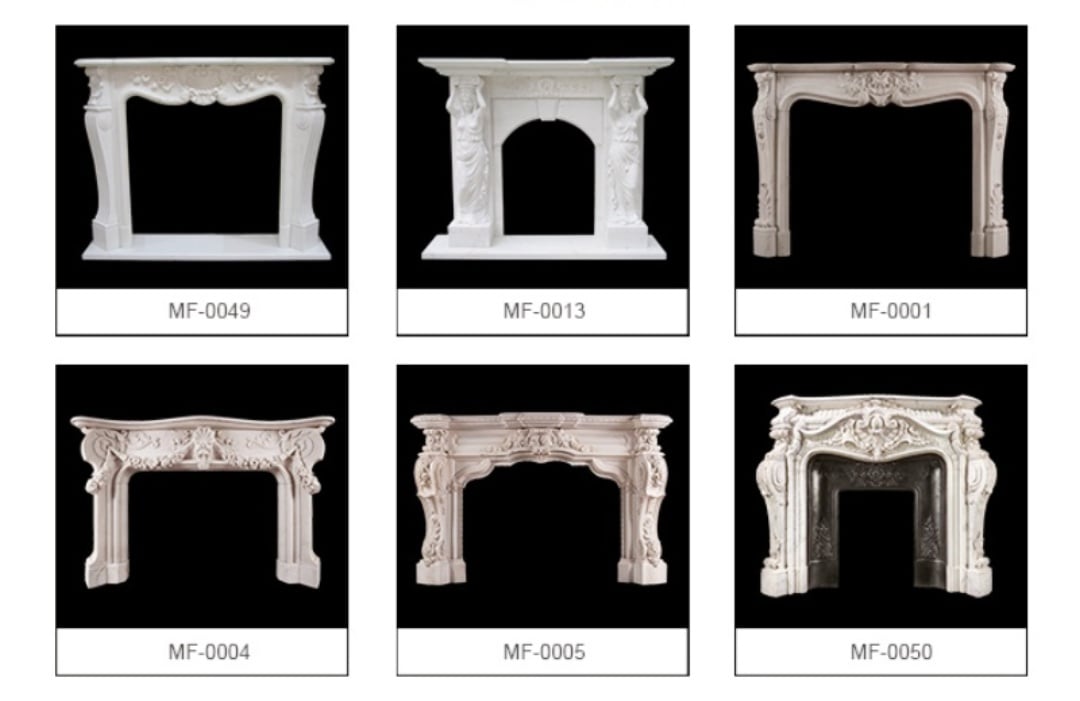
Traditional Marble Fireplace Styles: Elegance Rooted in History Georgian, Victorian, and Neoclassical Interpretations Using Carrara and Statuario Marble fireplaces from the Georgian period really capture that 18th century restraint thing going on b...
VIEW MORE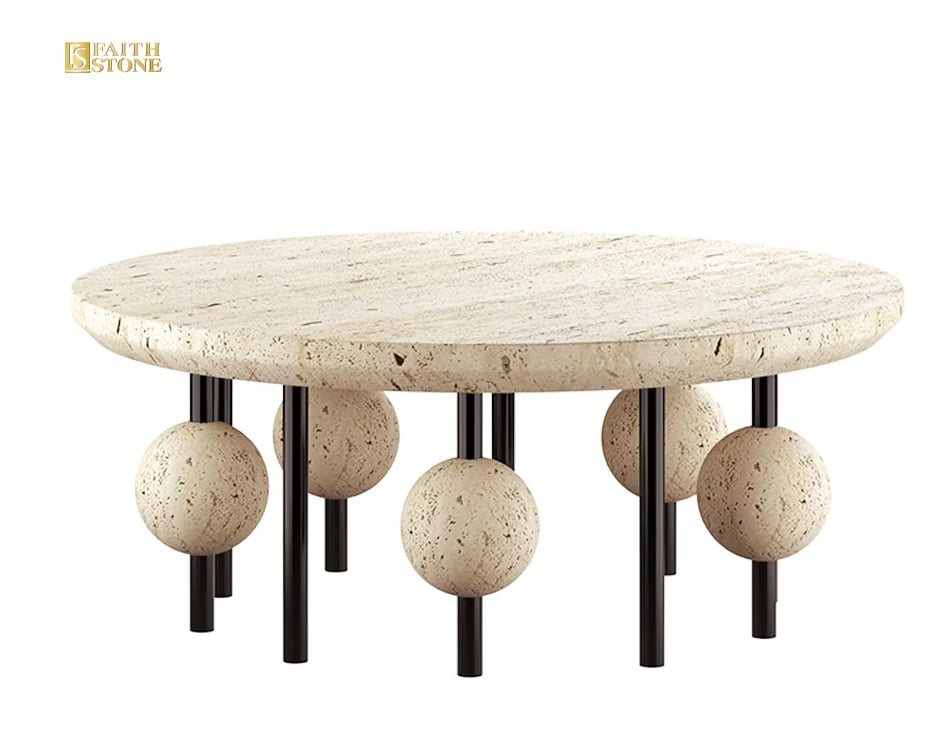
Assessing Damage Severity on Marble Tables Identifying chip depth, crack propagation, and structural risk to the table base or slab Start checking for damage by using calipers to measure how deep those chips go. Surface damage that's less than 3mm ...
VIEW MORE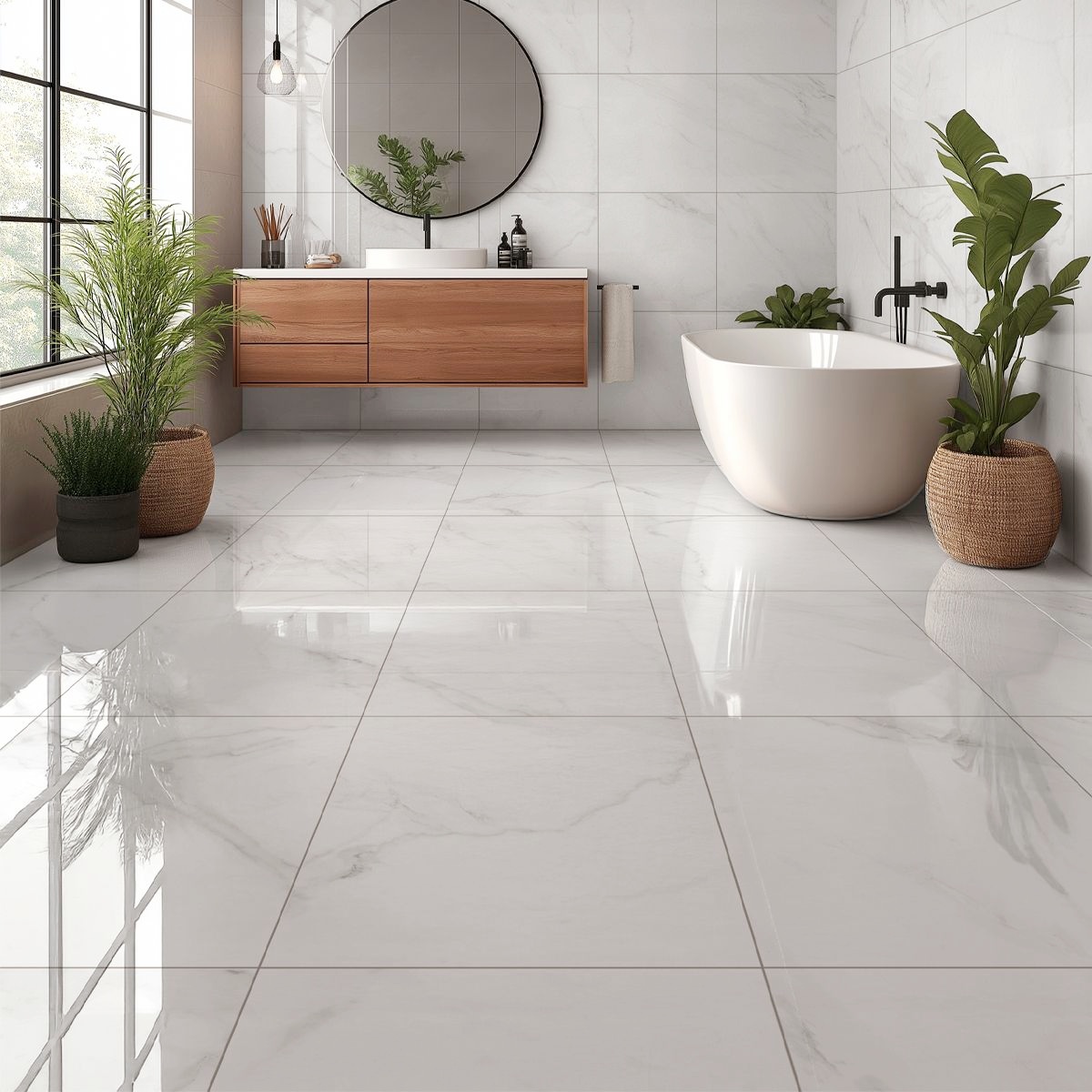
Why Marble Flooring Requires Sealing: Porosity, Etching, and Stain Risk Marble’s Natural Porosity and Its Impact on Stain Absorption Marble floors have tiny pores because they're made mostly of calcium carbonate, which means they soak up liqu...
VIEW MORE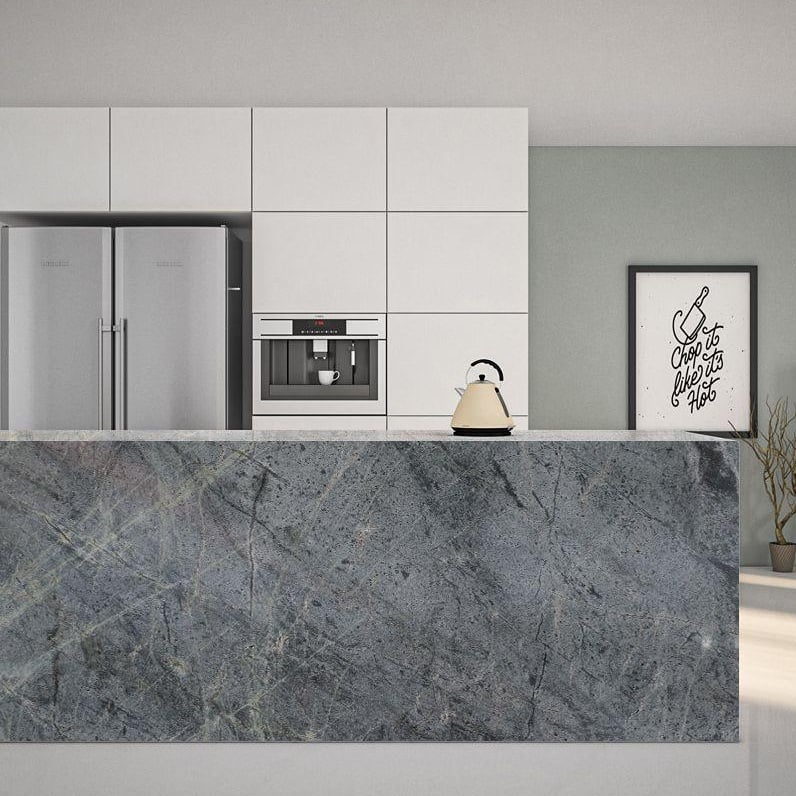
Granite Slabs: Natural Origin and Low-Processing Advantages Geological formation and minimal chemical processing vs. engineered stone Granite slabs come from deep inside the earth where molten rock slowly cools and hardens over millions of years. W...
VIEW MORE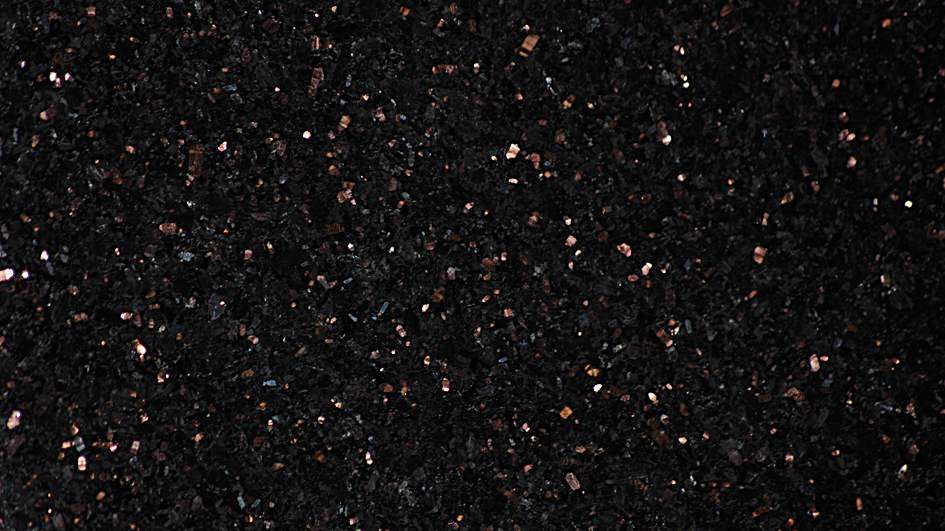
Durability of Black Granite in Outdoor Environments Freeze-thaw resistance and structural integrity of black granite pavers Black granite holds up really well in areas that go through freezing and thawing cycles because it absorbs almost no water a...
VIEW MORE
Geological Formation of Travertine and Its Natural Pitted Texture Travertine comes into being via a pretty fascinating geological process involving mineral precipitation. When groundwater rich in calcium carbonate flows out of hot springs or limest...
VIEW MORE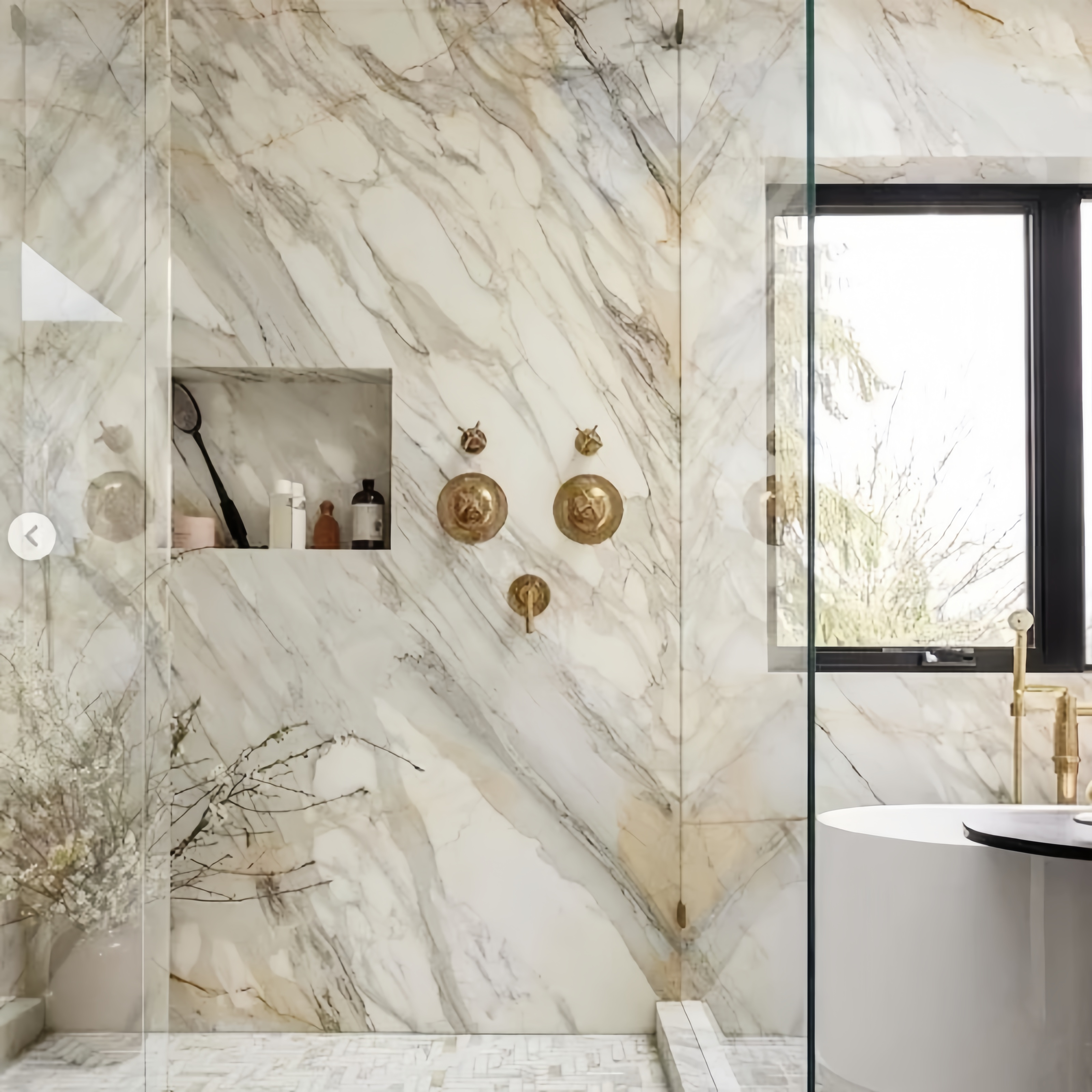
Distinguishing Calacatta Gold Marble from Quartz and Other Engineered Stones Calacatta Gold stands out as a top quality natural marble with striking veins running through it and those beautiful golden hues that give it character, something engineer...
VIEW MORE
 EN
EN