 EN
EN

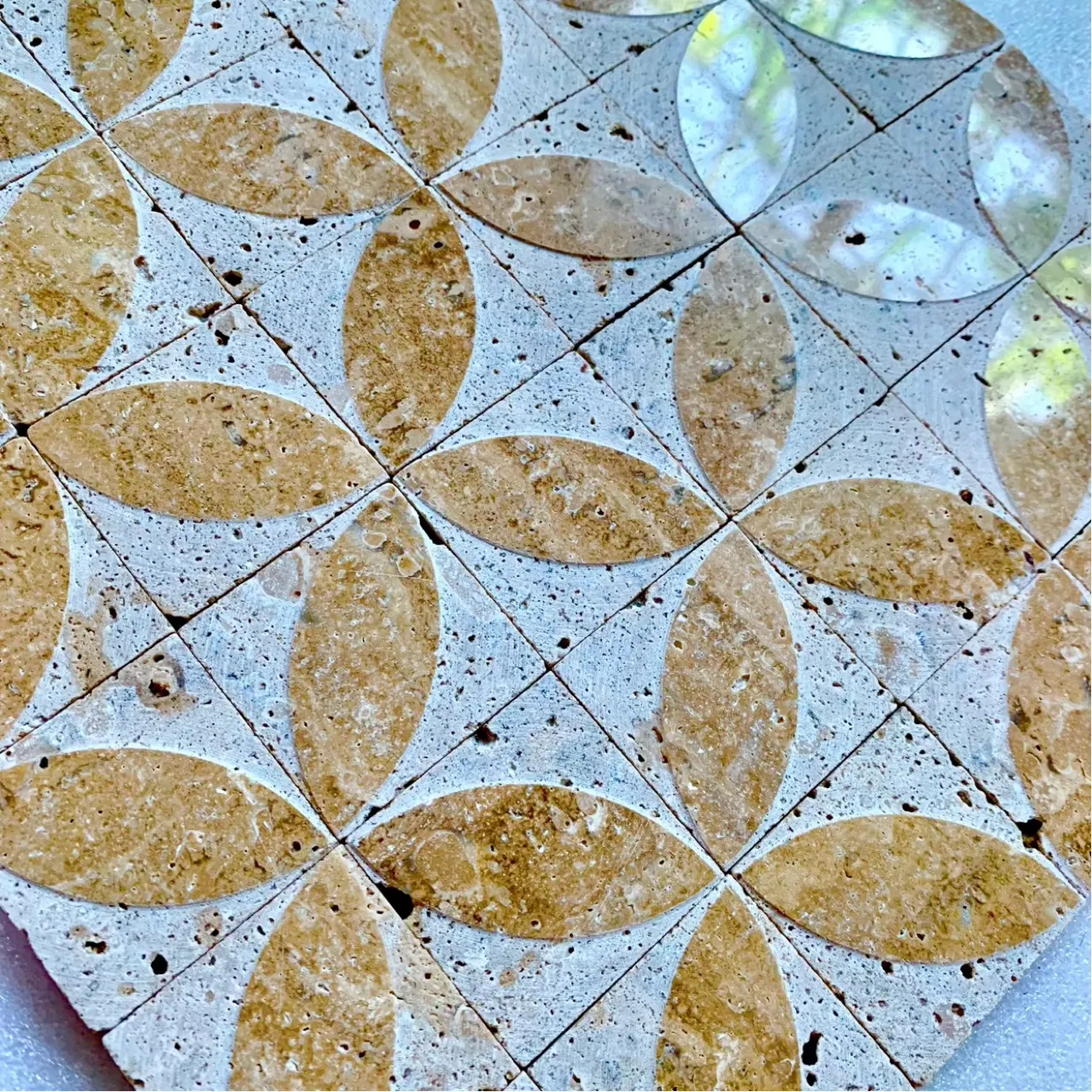
Proven Supply Chain Control: Quarries, Inventory, and Vertical Integration
Owned Quarries and Vertical Integration for Consistent Sourcing
A reliable marble supplier controls the entire supply chain—from extraction to delivery. Owning quarries guarantees a steady flow of raw blocks, eliminating dependency on third-party miners and enabling direct selection of material that matches precise specifications for color, veining, and structural integrity. Vertical integration extends across processing, fabrication, and logistics, reducing lead times and mitigating delays or inconsistencies caused by fragmented handoffs. McKinsey research indicates that vertical integration can lower supply chain costs by up to 25% (McKinsey 2022). For large orders, this control ensures every slab originates from the same geological formation—preserving visual harmony across thousands of square feet. The absence of intermediaries also enables faster problem resolution and tailored solutions, positioning the supplier as a true project partner.
Large-Scale Stockyard Capacity and Slab Inventory Depth
Adequate stockyard capacity is critical for meeting large-order demands. Suppliers with extensive warehousing hold tens of thousands of slabs, ensuring immediate availability of preferred materials across block sizes, thicknesses, and finishes. A 2023 industry survey found that high-capacity stockyards fulfill 90% of bulk orders within four weeks (Natural Stone Institute 2023), preventing costly delays from out-of-stock items. Deep inventory also allows clients to select matching slabs from a single batch—maintaining consistent veining flow across expansive surfaces. Without this buffer, last-minute sourcing often leads to mismatched stone and rework. Storage infrastructure, therefore, is not just logistical—it’s a direct indicator of a supplier’s ability to deliver at scale with reliability.
Rigorous Quality Assurance for Uniformity Across Large Marble Orders
Achieving a flawless visual narrative across expansive surfaces demands embedding scientific rigor into every stage of quality control. Aesthetic uniformity is not a matter of chance but a measurable outcome of controlled processes—ensuring that a large-scale installation reads as a single, cohesive piece of natural art. This requires a systematic approach that transforms raw geological variation into predictable, premium material.
Color and Veining Consistency Protocols Validated by R&D
The primary challenge in large orders is managing the inherent heterogeneity of natural stone. Leading suppliers move beyond subjective visual sorting by employing R&D-driven protocols that quantify aesthetic properties. Advanced spectrophotometry assigns precise numerical values to color, while high-resolution digital imaging maps veining intensity—creating a unique “fingerprint” for each slab. This data enables algorithmic matching that groups slabs with statistically similar visual flow, far surpassing human judgment. As the Natural Stone Institute notes, inconsistent batches can unintentionally devalue a project by 15–20% (2023 Report). The following comparison illustrates the impact:
| Matching Method | Consistency Outcome | Risk of Rejection |
|---|---|---|
| Visual Inspection | Medium; Subject to fatigue and ambient light | High; Inconsistent batches discovered at installation |
| R&D-Driven Spectrophotometry | High; Measurable color & veining parameters | Low; Proactive consistency ensured at the sourcing stage |
This tech-enabled protocol ensures marble for hotel lobbies or corporate headquarters achieves controlled visual continuity—transforming a key risk factor into a hallmark of quality.
Defect Screening, Batch Traceability, and Certification Documentation
Beyond aesthetics, structural integrity is non-negotiable. Robust QA includes exhaustive defect screening using non-destructive testing—such as ultrasonic pulse velocity—to detect internal fissures invisible to the naked eye. This process is inseparable from rigorous batch traceability: every crate is digitally linked to its quarry lot, production date, and QA clearance, creating a transparent chain of custody. Should replacement be needed, traceability ensures sourcing from the exact same geological formation—preserving both aesthetic and physical uniformity. To substantiate performance, suppliers should provide certification documentation confirming compliance with ASTM standards for flexural strength and water absorption. This documentation serves as a warranty—not just of material, but of assured performance.
End-to-End Project Support from Design to Installation
Digital Layout Tools and CAD-Integrated Slab Mapping
A reliable marble supplier delivers precision engineering that begins long before the first cut. Advanced digital layout tools and CAD-integrated slab mapping allow project teams to visualize, in high resolution, how each slab’s unique veining will flow across dozens—or even hundreds—of panels. By overlaying digital templates onto actual slab images, teams optimize yield, position book-matched sequences precisely, and virtually eliminate on-site surprises. This pre-construction coordination reduces material waste by up to 12% and ensures visual continuity remains intact from reception area to boardroom. With a single source managing this digital thread, misalignment between design intent and physical installation drops significantly.
On-Site Technical Guidance and Fabrication Coordination
Even the most meticulously planned project benefits from real-time support. The right supplier assigns an experienced technical advisor to oversee fabrication milestones and provide on-site guidance during installation. This single point of contact coordinates directly with cutting facilities—verifying CNC programs, edge profiles, and seam placements align with approved CAD models. When unforeseen site conditions arise—a measurement discrepancy or last-minute design tweak—the advisor collaborates with the installation crew to resolve issues without compromising batch uniformity. The result is a seamless transition from factory floor to final set, with all parties aligned on quality, schedule, and the exacting standards required for large-format marble applications.
Logistics Reliability for Bulk and International Marble Shipments
Climate-Controlled Packaging and Load-Specific Crating
Marble’s weight and fragility make it uniquely vulnerable to moisture, thermal shock, and vibration during transit. Standard freight packaging is insufficient. Reliable suppliers mitigate these risks through climate-controlled packaging and load-specific crating engineered for each shipment. Custom A-frame crates with internal bracing prevent slab flexing and edge chipping, while vapor-barrier wraps and desiccants guard against condensation that can stain or weaken the stone. These measures address the increased complexity and cost of modern logistics—including the 40–60% rise in transportation costs since pandemic-era disruptions—where specialized handling now adds 15–25% to landed costs compared to other building materials (Intel Market Research, 2023). Far from optional extras, they are essential protocols for preserving material integrity and meeting the tight tolerance demands of large-order projects.
FAQ
Why is owning quarries important for marble suppliers?
Owning quarries ensures a steady flow of raw materials, eliminates reliance on third-party miners, and allows direct selection of material to meet exact specifications.
What role does stockyard capacity play in marble supply?
Large stockyards ensure immediate availability of materials, prevent delays caused by out-of-stock items, and allow for consistent slab matching across large orders.
How do suppliers ensure color and veining consistency in marble slabs?
Suppliers use advanced technologies like spectrophotometry and digital imaging to generate measurable data on color and veining, ensuring uniformity across slabs.
What is batch traceability, and why is it important?
Batch traceability links slabs to their quarry lot, production date, and QA clearance, ensuring consistency and making it easier to match replacements if needed.
Why is climate-controlled packaging necessary for marble shipments?
Marble is sensitive to moisture, temperature, and vibration. Climate-controlled packaging prevents damage, ensuring the slabs arrive in perfect condition.
Table of Contents
- Proven Supply Chain Control: Quarries, Inventory, and Vertical Integration
- Rigorous Quality Assurance for Uniformity Across Large Marble Orders
- End-to-End Project Support from Design to Installation
- Logistics Reliability for Bulk and International Marble Shipments
-
FAQ
- Why is owning quarries important for marble suppliers?
- What role does stockyard capacity play in marble supply?
- How do suppliers ensure color and veining consistency in marble slabs?
- What is batch traceability, and why is it important?
- Why is climate-controlled packaging necessary for marble shipments?