 EN
EN

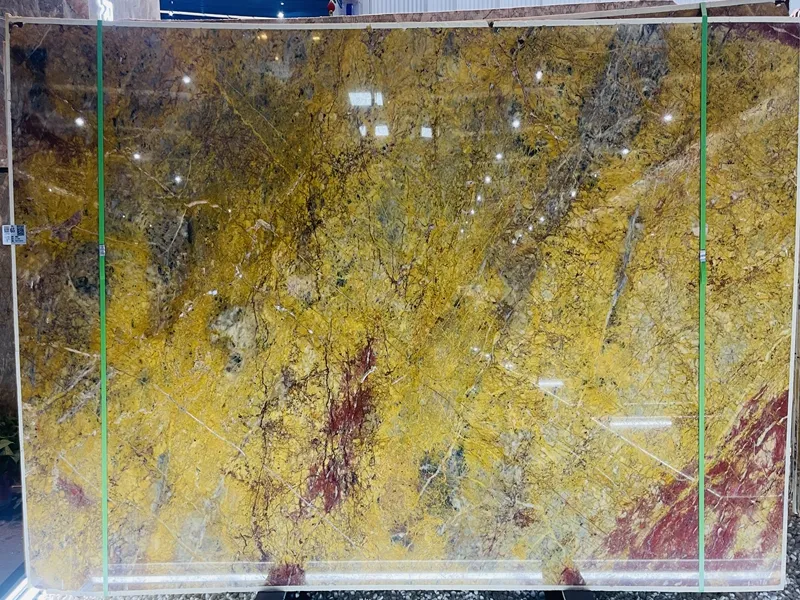
Ethical Sourcing and Low-Impact Quarrying Practices
Minimizing Ecological Disruption Through Regenerative Quarry Management
A responsible marble supplier integrates regenerative quarry management to minimize ecological disruption and preserve natural capital. This begins with rigorous site selection—avoiding fragile ecosystems, protected habitats, and culturally sensitive areas. During extraction, low-impact techniques such as diamond wire sawing and closed-loop water recycling systems significantly reduce noise, dust, and freshwater consumption. Captured and treated water is reused across operations, cutting reliance on local sources. Slopes are stabilized with native vegetation to prevent erosion, and misting systems suppress airborne particulates. Progressive rehabilitation starts while the quarry remains active: overburden is stored for later contour restoration, and topsoil is preserved for replanting. Once extraction concludes, sites are restored to functional ecosystems—woodland, wetland, or farmland—that support local biodiversity. Some operators go further by investing in verified biodiversity offset programs, including wildlife corridors or native reforestation. These practices safeguard surrounding communities and ecosystems while aligning with LEED and other green building standards, reinforcing the supplier’s reputation for ethical stewardship.
Waste Valorization: Turning Off-Cuts and Dust into Value-Added Products
Marble quarrying generates substantial waste—off-cuts, sludge, and dust—that can account for up to 30% of extracted material. Waste valorization transforms these byproducts into commercially viable resources, reducing landfill dependency and creating new revenue streams. Fine marble dust is processed into high-grade filler for paints, adhesives, and plastics—displacing virgin minerals. Larger off-cuts are crushed into aggregate for concrete, terrazzo, and road base. Dried slurry can be pressed into reconstituted marble blocks or applied as a soil conditioner. By embracing circular economy principles, leading suppliers cut disposal costs and lower embodied carbon. This approach also meets the growing demand for low-impact building materials in green construction, where project teams prioritize suppliers with documented waste reduction. Valorization transforms a liability into a competitive advantage—demonstrating that sustainability and profitability are mutually reinforcing.
Verifiable Sustainability Credentials for Marble Suppliers
Third-Party Certifications That Matter: ANSI/NSF 373, EPDs, and LEED Alignment
Third-party certifications provide objective validation of a marble supplier’s sustainability claims. The ANSI/NSF 373 standard evaluates natural stone production across water usage, energy management, worker safety, and community impact—delivering a holistic, audited credential. Environmental Product Declarations (EPDs), verified per ISO 14025 and based on cradle-to-gate life-cycle assessment, quantify environmental impacts such as global warming potential and resource depletion. For architectural projects, LEED v4.1 awards up to two points under the Building Product Disclosure and Optimization (BPDO) credit for materials with published EPDs—making certified marble a strategic asset for green building certification. A 2023 survey of design professionals found that 68% prioritize materials with recognized environmental certifications when specifying stone, underscoring strong market demand for verifiable sustainability. By aligning with these benchmarks, suppliers demonstrate compliance with rigorous environmental and social standards—reducing risk for buyers and strengthening positioning in high-value, ESG-driven projects.
Transparency in Supply Chain: Traceability from Quarry to Project
Beyond certifications, supply chain transparency is essential to ethical sourcing. Traceability from quarry to project ensures every slab is ethically sourced and processed in compliance with labor, environmental, and human rights standards. Blockchain-based chain-of-custody platforms enable suppliers to provide immutable, real-time records of origin, processing steps, and transportation—meeting due diligence requirements of procurement teams and regulatory frameworks like the EU’s Corporate Sustainability Reporting Directive (CSRD). Projects demanding full material disclosure increasingly reward suppliers who offer verifiable proof of provenance, accelerating bid evaluation and deepening trust through accountability—not assertion.
Logistics Efficiency and Regional Sourcing as Carbon-Reduction Levers
For a modern marble supplier, transportation often represents a significant share of the product’s carbon footprint—industry estimates place it at over 20% of total emissions. Optimizing freight routes, consolidating shipments, and transitioning to low-emission vehicles can cut logistics-related emissions by up to 30%, while simultaneously lowering fuel and operational costs. Regional sourcing compounds these gains: quarries and fabrication facilities located near end-use markets dramatically shrink transport distances, directly reducing fuel consumption and greenhouse gas output. This localized approach not only lowers environmental impact but also shortens lead times, improves responsiveness, and strengthens regional economic resilience. When integrated strategically, logistics transforms from a cost center into a measurable carbon-reduction lever—directly supporting a supplier’s sustainability commitments and enhancing competitiveness in B2B markets.
How Sustainable Practices Directly Enhance a Marble Supplier’s Market Position
Meeting Architectural Demand for High-Performance, Low-Impact Natural Stone
Architects and design firms now routinely specify materials aligned with green building certifications—including LEED v4.1 and BREEAM—and prioritize low-carbon, durable natural stone. The global marble market is projected to grow at a 5.2% CAGR through 2030, driven largely by demand for high-performance, sustainable materials. Marble’s inherent longevity, repairability, and recyclability reduce long-term environmental impact—making it a preferred choice for resilient, net-zero-ready buildings. Suppliers that document quarry-level water recycling, energy-efficient block extraction, and dust management directly satisfy these performance criteria. For example, a leading provider’s EPD verifies a 30% lower carbon footprint than industry averages—enabling specifiers to meet embodied-carbon targets without compromising aesthetic or functional requirements. This data-driven alignment turns sustainability into a tangible design advantage, positioning the supplier as a trusted partner—not just a vendor—in the specification process.
Differentiating in B2B Procurement: Sustainability as a Bid Qualifier and Contract Accelerator
In B2B procurement, sustainability credentials are increasingly non-negotiable. A 2024 survey of 300 construction procurement managers found that 76% require third-party certifications—such as ANSI/NSF 373 or EPDs—as a minimum qualification for natural stone suppliers. For marble suppliers, offering fully transparent, digitally verifiable chain-of-custody documentation can shorten bid evaluation cycles by up to 40%, according to leading procurement consultancies. This transparency reduces compliance risk, mitigates delays tied to audit failures, and signals operational maturity. Moreover, suppliers embedding sustainability into their core value proposition often win contracts without competing solely on price—since ESG-aligned criteria now carry weight in technical scoring. A responsibly managed marble supplier thus converts environmental performance into a decisive competitive wedge—accelerating contract awards and building long-term partnerships with developers committed to ESG accountability.
FAQ Section
What is regenerative quarry management?
Regenerative quarry management involves minimizing ecological disruption during marble extraction by employing low-impact techniques, stabilizing quarry slopes with native vegetation, recycling water, and restoring the site to a functional ecosystem after operating finishes.
How does waste valorization work in marble quarrying?
Waste valorization turns marble byproducts like off-cuts, dust, and sludge into commercially viable resources, such as fillers for paints and adhesives, aggregates for construction, or reconstituted marble blocks, reducing both waste and environmental impact.
What are ANSI/NSF 373 and EPD certifications?
ANSI/NSF 373 is a standard evaluating natural stone production’s environmental and social impacts, while Environmental Product Declarations (EPDs) quantify environmental impacts based on life-cycle assessments and help in green building certifications like LEED.
Why is supply chain transparency important for marble suppliers?
Supply chain transparency ensures ethical sourcing and compliance with labor and environmental standards, boosting trust and meeting procurement requirements through traceable records or blockchain technologies.
How can marble suppliers reduce their carbon footprint?
Suppliers can reduce their carbon footprint by optimizing logistics, transitioning to low-emission vehicles, consolidating shipments, and emphasizing regional sourcing to lower transport emissions and costs.