 EN

Unmatched Aesthetic Authority: Stone Bathtubs as Architectural Centerpieces
The architectural solidity of stone bathtubs transforms them from mere sanitary ware into definitive design anchors. Their weighty, seamless construction eliminates the hollow echoes and flexing common in acrylic alternatives, delivering a sense of permanence and intentional luxury. This solid-core presence allows the tub to dictate the room’s visual hierarchy—whether cradled in a wet room or commanding a traditional alcove.
The 'Sculptural Bath' Movement and Seamless Integration with High-End Interiors
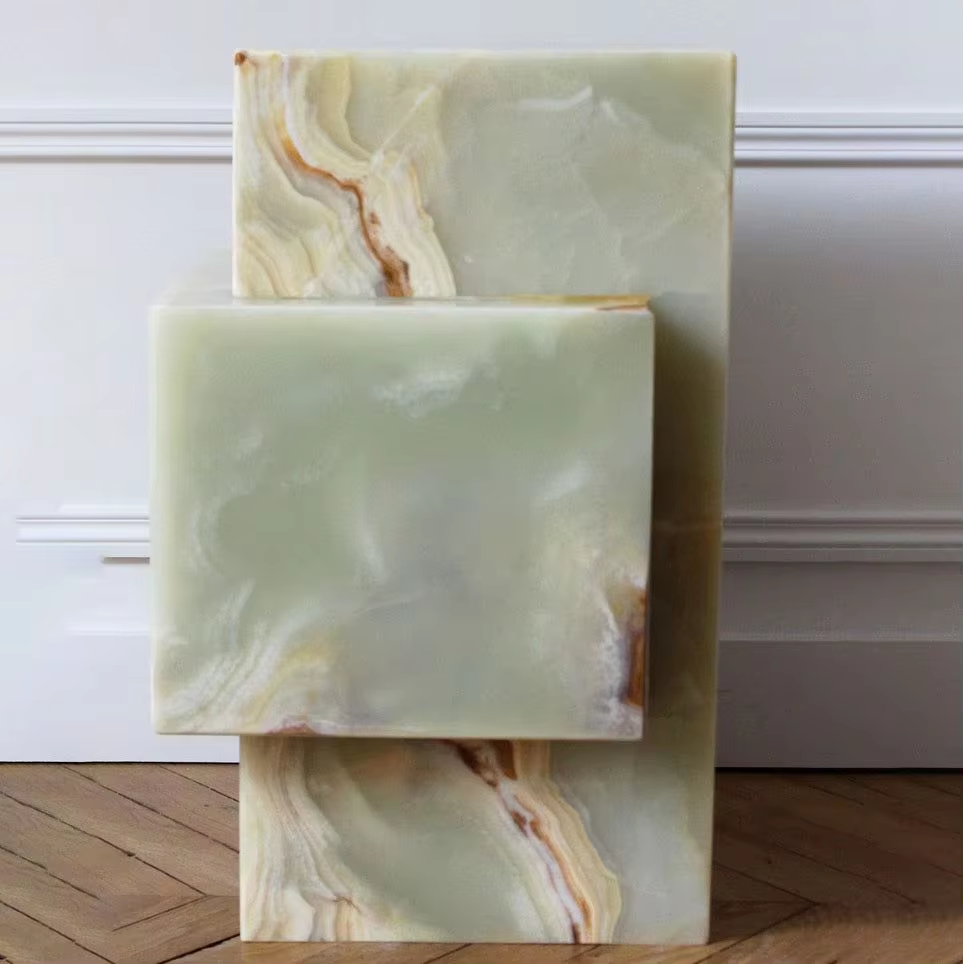
The contemporary 'Sculptural Bath' movement treats the tub as an autonomous art object rather than a built-in necessity. Freestanding stone bathtubs are meticulously carved, each one a unique geological artifact with organic veining no two pieces replicate. This approach aligns with the desire for bespoke, gallery-like bathrooms where the tub serves as the centerpiece. A matte finish on a monolithic travertine form brings a soft, almost milky tactility suited to minimalist schemes, while a high-polish marble basin reflects light to amplify spatial grandeur. The visual mass of a one-piece stone fixture pairs naturally with frameless glass partitions, floating vanities, and brushed brass fittings—enabling a curated aesthetic that feels both raw and refined. Designers increasingly embed these tubs directly onto honed stone floors or platforms, blurring the transition between fixture and architecture to create a unified envelope of calm.
Timeless Materiality: Why Natural Stone Outperforms Trend-Driven Alternatives
Trend-driven materials such as colored acrylic, composite resins, or glossy fiberglass quickly date a bathroom as consumer tastes shift. In contrast, natural stone’s authenticity is rooted in geology—not fashion cycles. Marble, granite, and limestone have been prized for millennia; their appeal does not expire with the season. A stone bathtub’s patina deepens gracefully over decades, recording a subtle history of use that enhances character, unlike synthetic surfaces that scratch, fade, or craze. This longevity translates into enduring property value: appraisers recognize a fitted stone basin as a permanent asset. Where a trendy oval acrylic drop-in might be swapped out within ten years, a hand-finished stone vessel remains the anchor of the room—adaptable to simply refreshed tile, paint, or hardware. Its thermal mass also adds functional timelessness: it holds warmth longer, delivering consistent comfort without reliance on ever-new gadgetry. Choosing stone is thus an immediate investment in a bathroom aesthetic that will remain relevant long after current trends are forgotten.
Superior Thermal Performance and Sensory Wellness Benefits of Stone Bathtubs
Stone bathtubs are prized not only for their visual impact but also for their exceptional thermal properties—turning an ordinary bath into a prolonged, hydrotherapeutic ritual. The dense material absorbs heat slowly and releases it equally slowly, keeping bathwater warmer for far longer than conventional acrylic or fiberglass tubs. This natural heat-holding ability reduces the need for hot-water top-ups, conserving energy while sustaining a soothing, even temperature that helps muscles relax deeply.
Comparative Heat Retention: Marble, Travertine, and Soapstone for Extended Soaking
Each stone type offers distinct thermal performance, making material selection a key design decision. The table below summarises their heat retention characteristics and ideal uses.
| Stone Type | Thermal Properties | Heat Retention Benefit | Ideal Application |
|---|---|---|---|
| Marble | High density, moderate thermal conductivity | Holds warmth steadily; cools no faster than 1°C per 15 min | Contemporary luxury bathrooms |
| Travertine | Porous structure with natural insulating air voids | Retains heat longer than expected for its weight | Rustic or spa-inspired interiors |
| Soapstone | Extremely high density, excellent thermal mass | Remains warm for 25–30% longer than marble in similar tests | High-end residential and hospitality |
Soapstone—often used in wood-stove construction—delivers the most impressive heat retention. After draining, its surface stays warm to the touch for up to an hour, extending sensory comfort well beyond the soak. This performance minimises thermal shock and ensures the bather remains enveloped in consistent warmth—a critical advantage for muscle recovery or chronic pain relief.
Aligning with the Spa-Inspired Bathroom Trend Through Natural Thermal Integrity
The growing spa-inspired bathroom movement emphasises therapies that calm the nervous system—and stone bathtubs align perfectly with that goal. Their ability to keep water at a stable, comforting temperature replicates the experience of a professional hydrotherapy pool. Research published in the International Journal of Therapeutic Massage & Bodywork (2016) confirms that full-body immersion in heated stone surfaces encourages vasodilation, improving circulation and reducing muscle stiffness more effectively than brief hot-water exposure. This thermal integrity also fosters a grounding sensation: the solid, cool-to-warm transition of the stone surface provides a tactile connection to earth that synthetics cannot match. For homeowners and hospitality designers alike, the sensory journey—from first touch to final soak—becomes a holistic wellness ritual, turning the bathroom into a private sanctuary that promotes both physical ease and mental clarity.
Proven Durability and Lifetime Value of Premium Stone Bathtubs
The inherent structural integrity of natural stone makes these bathtubs exceptionally resistant to everyday wear and tear. Unlike acrylic or fiberglass, which can scratch, fade, or develop stress cracks within a decade, a properly sealed stone bathtub maintains its surface resilience—resisting chipping, staining, and moisture infiltration for decades. This longevity is underscored by top manufacturers, who often back their stone bathtubs with warranties spanning 25 years or more—a clear signal that replacement is rarely a concern. From a lifecycle cost perspective, the higher upfront investment is offset by the elimination of repeated replacements. In luxury residential and hospitality settings, a single stone tub can remain a pristine focal point for 50 years or longer, outperforming synthetic alternatives that typically last only 10–15 years. When considering total ownership cost and design permanence, premium stone bathtubs deliver unmatched lifetime value—combining enduring aesthetics with a practical, long-term return on investment.
Real-World Luxury Applications: Stone Bathtubs in Elite Residential and Hospitality Projects
Five-Star Resorts and Private Estates: Case Studies in Stone Bathtub Implementation
Stone bathtubs define the guest experience at the world’s most exclusive properties. A prominent Indian luxury hotel places marble tubs in every executive suite, allowing guests to soak in heated veined stone. A premier beachfront resort in Mexico opts for travertine, its earth tones enhancing ocean views while retaining warmth far longer than typical materials. In a historic U.S. capital hotel, recent presidential suite renovations introduced hand-carved granite tubs that maintain therapeutic temperatures for extended relaxation. Beyond hospitality, private estate owners commission bespoke stone bathtubs for winter gardens, spa pavilions, and open-air wellness terraces. Several high-end residences now feature twin mirror-image tubs for couples or oversized four-person designs for family retreats. These installations demonstrate how stone bathtubs embrace varied design languages—from calm Zen aesthetics to ornate classical styling—while their proven longevity keeps them a compelling investment for developers pursuing enduring luxury appeal.
FAQ
Why are stone bathtubs considered architectural centerpieces?
Stone bathtubs are notable for their solid-core construction and luxurious design, which allows them to dominate the visual hierarchy of a room, serving as both functional and aesthetic focal points.
What are the advantages of stone bathtubs compared to synthetic materials?
Stone bathtubs offer durability, timeless appeal, superior heat retention, and the ability to maintain their aesthetic and functional value over decades, unlike synthetics that scratch or fade over time.
Which stone material offers the best heat retention for bathtubs?
Soapstone delivers the best heat retention performance, remaining warm up to 25–30% longer than marble, making it ideal for extended soaking and spa-like experiences.
Are stone bathtubs eco-friendly?
Yes, their long lifespan reduces the need for replacements, and stone is a natural, sustainable material that requires minimal maintenance, contributing to an eco-friendly lifestyle.
Can stone bathtubs be customized for specific designs?
Yes, stone bathtubs can be carved and finished to suit individual preferences or design requirements, making them a popular choice for customized, high-end interiors.
Table of Contents
- Unmatched Aesthetic Authority: Stone Bathtubs as Architectural Centerpieces
- Superior Thermal Performance and Sensory Wellness Benefits of Stone Bathtubs
- Proven Durability and Lifetime Value of Premium Stone Bathtubs
- Real-World Luxury Applications: Stone Bathtubs in Elite Residential and Hospitality Projects
- FAQ