 EN

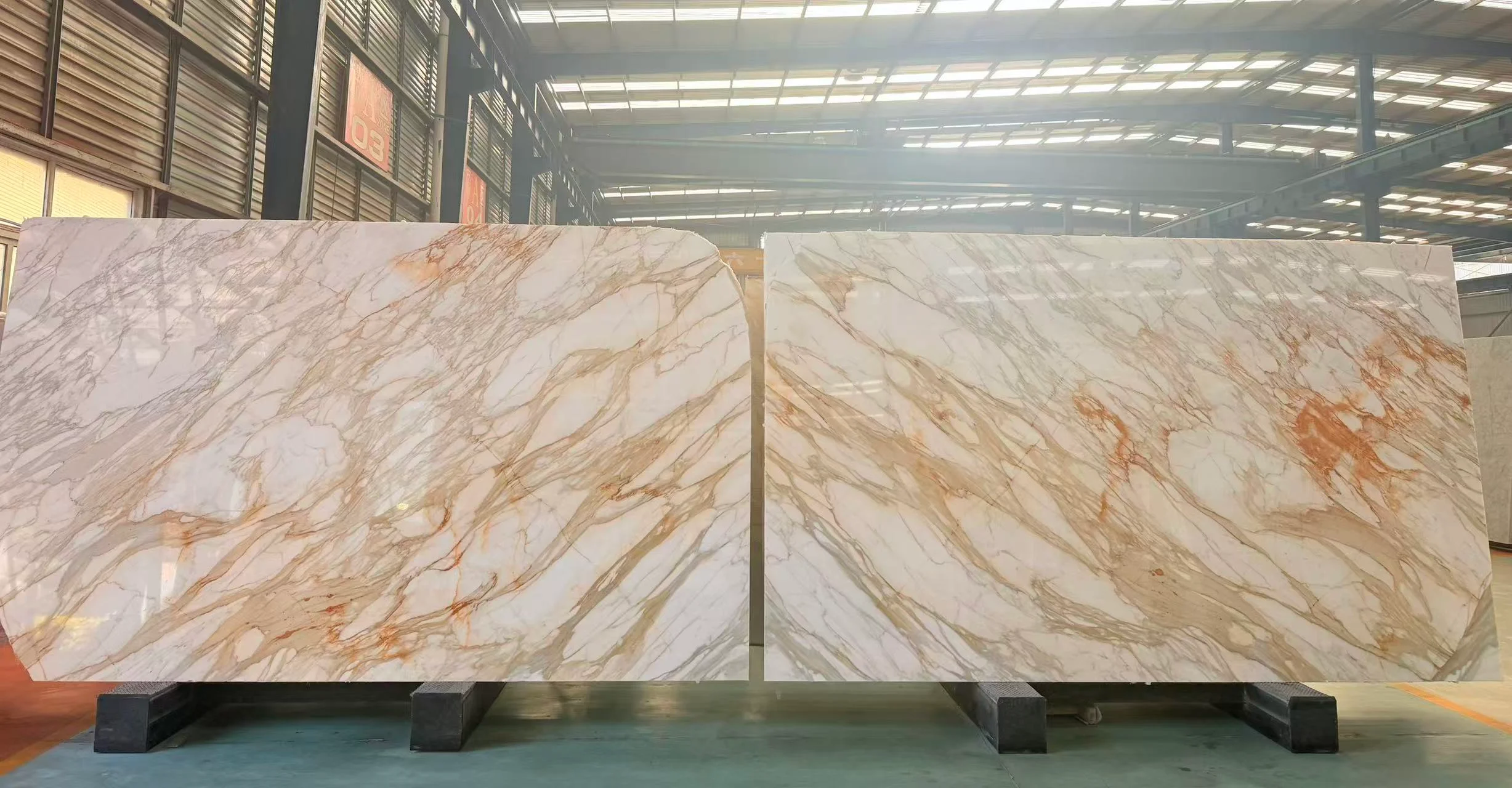
Why Stone Bathtubs Lose Gloss: Finish Types and Material Vulnerabilities
Polished, Honed, and Leathered Finishes — How Each Affects Gloss Retention
The surface finish of a stone bathtub directly determines its light reflectivity and resistance to everyday dulling. Understanding how each finish behaves helps set realistic expectations for long-term appearance.
| Finish Type | Typical Gloss Level | Primary Dulling Triggers | Daily Focus to Preserve Appearance |
|---|---|---|---|
| Polished | High, mirror‑like | Water spots, soap film, fingerprints | Dry immediately after every use |
| Honed | Matte, satin | Oil residue, gradual darkening | Wipe down with a soft cloth after bathing |
| Leathered | Low sheen, textured | Mineral‑laden residues in crevices | Rinse thoroughly and dry textured areas |
Polished surfaces achieve high gloss through mechanical grinding to a microscopically smooth plane—making them exceptionally reflective but also highly susceptible to water spots, soap film, and fingerprints. Even a single un-dried bath can leave a cloudy haze. Honed finishes offer a soft, matte aesthetic that conceals watermarks well but absorbs body oils and cleaning residues more readily, leading over time to uneven darkening and loss of visual consistency. Leathered textures feature a subtle, undulating surface created by brushing or chemical treatment. Though inherently low-sheen, they trap mineral deposits and soap scum in their micro-crevices; without thorough rinsing and drying, this builds a chalky, whitish film that further diminishes any residual luster. Choosing a finish is ultimately about aligning aesthetic preference with the maintenance discipline each requires.
Natural Stone (Marble, Limestone, Travertine) vs. Engineered Stone-Resin: Etching, Porosity, and Dullness Triggers
Stone bathtubs fall into two broad categories—natural and engineered—each with distinct chemical and structural vulnerabilities affecting gloss retention.
Natural stones like marble, limestone, and travertine are calcium-carbonate based. Their polished surfaces react instantly with acidic substances—including vinegar, lemon juice, and many bath products—causing etching: a microscopic dissolution of the surface that leaves permanent, dull, whitish marks (Marble Institute of America, 2021). Porosity compounds this risk: natural pores absorb water, oils, and mineral-rich bathwater, resulting in sub-surface darkening and progressive gloss loss. Limestone, in particular, exhibits high porosity—absorbing up to 1% of its body weight in water after a single soak (industry data, 2023)—making it especially prone to deep-seated dullness.
Engineered stone-resin bathtubs combine ground natural stone with a polymer resin binder. While significantly less porous than natural stone, their gloss depends on the integrity of that resin. Aggressive cleaners—especially ammonia, bleach, or abrasive formulas—can break down polymer chains, causing surface hazing or an “orange peel” texture. Prolonged UV exposure from direct sunlight also degrades the resin, leading to discoloration and loss of smoothness. Unlike natural stone’s isolated etch marks, dullness in engineered tubs typically appears as uniform fading or textural degradation. Preserving gloss therefore demands precise differentiation between acid-triggered etching and resin-based chemical degradation—each requiring tailored prevention and correction strategies.
Daily & Weekly Care Routines That Protect Stone Bathtub Gloss
Consistent, gentle care is the most effective way to preserve the glossy surface of stone bathtubs. Brief daily actions and a targeted weekly routine prevent cumulative micro-damage before it becomes visible dullness.
Rinse, Dry, and Wipe: Preventing Water Spots and Mineral Film on Stone Bathtubs
After each bath, rinse the entire surface with clean, warm water to remove soap residue, body oils, and bath additives before they dry into a dulling film. A handheld showerhead helps reach contours and corners. Immediately follow with a thorough wipe-down using a soft, lint-free microfiber cloth—focusing on flat ledges, around the drain, and interior curves where water pools. Leaving the surface dry interrupts mineral scale formation and prevents water spots from etching the finish over time. For leathered or textured surfaces, use gentle dabbing rather than sweeping strokes to avoid trapping moisture in micro-crevices. In hard-water areas, this step is essential to curb buildup that gradually erodes shine.
pH-Neutral Cleaning Protocols for Safe, Shine-Sustaining Maintenance
Weekly cleaning should rely exclusively on pH-neutral products formulated for natural or engineered stone. A solution of warm water and a drop of mild, pH-balanced soap—applied with a soft cloth—safely lifts accumulated soil without triggering etching or resin breakdown. Avoid all acidic (vinegar, citric acid), alkaline (bleach, ammonia), or abrasive cleaners: these degrade sealants, pit surfaces, and accelerate dullness. After washing, rinse thoroughly with clean water to eliminate all cleaner residue—a residue-free surface resists dirt accumulation and retains clarity. Finish by drying with a microfiber cloth to restore streak-free luster. For honed or leathered textures, a very light pass with a soft-bristled brush may help dislodge stubborn debris—but never apply pressure. Promptly treating oil or cosmetic spills with the same gentle method prevents staining and preserves gloss integrity.
Gloss-Destroying Habits to Avoid with Stone Bathtubs
Acidic and Alkaline Cleaners (Vinegar, Lemon, Bleach): Etching Risks Explained
Even mild acids like vinegar or lemon juice cause immediate etching on calcium-carbonate stones such as marble, limestone, and travertine—leaving irreversible, dull, whitish marks (Marble Institute of America, 2021). A single application can roughen a high-polish surface at the microscopic level. Alkaline cleaners—including bleach and ammonia—degrade protective sealers, opening pathways for moisture and oils to penetrate deeper. Over time, this leads to persistent haziness, color shift, and a textured surface that traps residues. Always use only pH-neutral, stone-specific cleaners.
Abrasives, Scrub Pads, and Improper Tools: How They Accelerate Surface Wear
Abrasive powders, steel wool, stiff brushes, and scouring pads act like fine sandpaper on stone finishes. Even one aggressive scrub can create micro-scratches that scatter light and permanently reduce gloss. These tiny grooves then attract and hold dirt, compounding dullness with every use. Stick exclusively to soft microfiber cloths or non-abrasive sponges that lift soil without scratching.
Restoring and Sustaining Gloss: Resealing, Polishing, and Professional Support
When and How to Reseal Natural Stone Bathtubs for Lasting Gloss Protection
Natural stone bathtubs require periodic resealing to block moisture and staining—both major contributors to gloss loss. Perform a simple water test: if droplets spread instead of beading, resealing is overdue. Use an impregnating sealer designed specifically for porous natural stone—it penetrates without altering surface feel or appearance. First, clean the tub thoroughly with a pH-neutral cleaner and dry completely. Apply the sealer evenly with a soft cloth, allow dwell time per manufacturer instructions, then buff away excess. Let the surface cure fully (24–48 hours) before use. Resealing every 1–3 years maintains protection and prevents long-term fading.
DIY Polishing vs. Professional Refinishing: Best Practices for Stone Bathtubs
Light haze or superficial water spots may respond to a pH-neutral stone polish applied gently with a microfiber cloth. However, deeper etching from acidic exposure—or uneven wear across the surface—requires professional refinishing. Certified specialists use calibrated diamond abrasives to remove damaged layers and restore uniform, high-gloss reflectivity. While DIY polishing kits offer temporary relief for minor dullness, they lack the precision and depth to correct structural damage. For bathtubs with visible etch marks, patchy gloss, or texture loss, professional refinishing delivers lasting, like-new brilliance that home treatments cannot replicate.
FAQs
How often should I reseal my stone bathtub?
Resealing is typically recommended every 1–3 years. Conduct a water test: if water droplets spread instead of beading, it’s time to reseal.
What cleaning products are safe for stone bathtubs?
Always use pH-neutral cleaners formulated specifically for stone. Avoid acidic, alkaline, or abrasive products to prevent etching and damage.
Can I repair etch marks on my marble bathtub myself?
Superficial etch marks may be addressed with pH-neutral stone polish. However, significant damage often requires professional refinishing services.
How do I prevent my stone bathtub from dulling over time?
Rinse, dry, and wipe the surface after every use to avoid water spots and residue buildup. Use weekly pH-neutral cleaning to maintain gloss and clarity.
Why does my leathered finish trap more dirt?
Leathered finishes have textured surfaces that can trap minerals and soap scum. Regularly rinse and gently dab moisture to preserve its appearance.