 EN

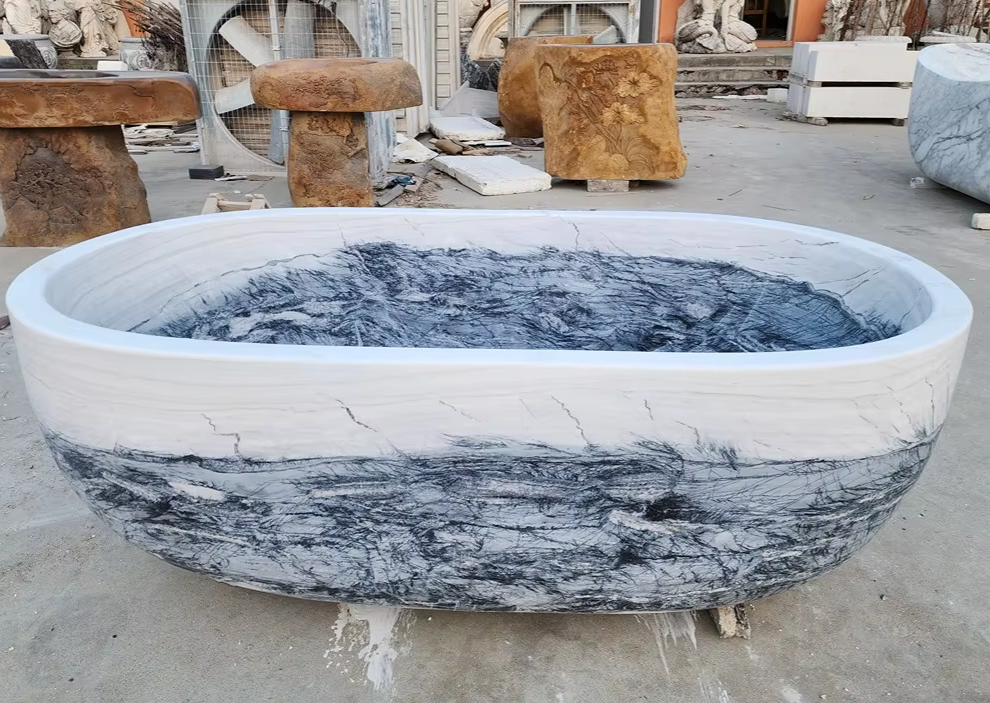
The Rise of Stone Resin: Engineering Luxury in Freestanding Stone Bathtubs
As bathrooms evolve into personal wellness retreats, the bathtub has become a focal point of design innovation. Stone resin composites now lead this transformation, merging the artisanal appeal of natural stone with the precision of modern polymer science. This approach yields a fixture that is both a durable performance piece and an architectural statement—perfectly aligned with the demand for luxury that does not compromise on function.
Aesthetic Authenticity Meets Modern Performance
Stone resin faithfully mimics the nuanced texture and subtle veining of quarried marble or limestone, yet eliminates the porosity and sealing demands of natural stone. Manufacturers cast the composite into a wide spectrum of silhouettes—from clean-lined ovals to traditionally inspired sculptural forms—delivering a cohesive look that anchors everything from ultra-minimalist to transitional interiors. Its non-porous surface resists everyday staining and microbial growth without waxes or sealers, preserving a flawless appearance with minimal effort.
Recent interior design trend data indicates that over 60% of high-end bathroom remodels now incorporate at least one stone element (2023 Interior Design Report), with freestanding stone tubs emerging as the most sought-after centerpiece. Their polished matte or high-gloss white finishes reflect light beautifully, making them adaptable to any color palette. Unlike painted acrylic that can yellow over time, the integral pigmentation of stone resin remains stable, sustaining the tub’s authentic look for decades.
Superior Heat Retention and Structural Durability vs. Cast Iron and Acrylic
When measured against traditional materials, stone resin bathtubs dramatically outperform in both thermal comfort and long-term resilience. Their dense, solid-core construction keeps bath water warm twice as long as standard acrylic—eliminating the need for frequent refills and ensuring a truly extended soak.
Cast iron offers heat retention but arrives with considerable drawbacks: extreme weight that complicates installation, a glass-lined enamel coating prone to chipping upon impact, and a surface that feels cold to the touch. Acrylic, while lightweight, is prone to flexing, scratching, and gradual yellowing; harsh cleaners often accelerate its deterioration.
In contrast, stone resin is inherently thermal-mass—warm to the touch even before the tap runs—and its monolithic structure resists flex-related cracking and impact damage. Minor surface scratches can be buffed away, and the material’s robust formulation ensures no chipping, fading, or deep staining under daily use. By avoiding the structural vulnerabilities of both cast iron and acrylic, stone resin bathtubs deliver a consistent luxury experience that maintains visual and functional integrity over a lifetime of use.
Wellness-Centric Design: How Freestanding Stone Bathtubs Anchor the Self-Care Sanctuary
From Bathroom to Retreat: Aligning with the Luxury Wellness Movement
Freestanding stone bathtubs are more than fixtures—they serve as the central element of the modern self-care sanctuary. As bathrooms transform into private retreats, the demand for design that supports mindfulness and restoration grows. The global wellness economy was valued at $5.6 trillion (Global Wellness Institute, 2023), reflecting a decisive shift toward home-based rituals of recovery.
Stone bathtubs embody this evolution by merging organic texture with a calming, grounded presence. Their subtle matte surfaces and natural tonality foster a spa-like atmosphere that invites a slower pace, turning everyday bathing into a deliberate act of self-care. Positioned near natural light or paired with neutral palettes, a stone bath becomes the quiet anchor of a room dedicated wholly to wellness.
Ergonomic Elegance: Spa-Inspired Proportions and Immersive Bathing Posture
The sculpted profile of a freestanding stone tub is not merely aesthetic—it is engineered for true physical comfort. Spa-inspired proportions feature deep basins, gently sloped lumbar support, and wide, contoured rims that cradle the body in a near-weightless position. This design reduces pressure on joints and encourages full muscle relaxation.
Unlike shallow, straight-backed alternatives, an ergonomic stone bath allows shoulders and knees to slip naturally below the waterline without crowding. The generous internal depth holds enough water for complete immersion, while the material’s superior heat retention keeps the soak warm for longer. The result is a bathing posture that mimics a flotation therapy session—turning the bath into a tool for daily restoration.
Market Validation: Demand Growth and Strategic Positioning of Freestanding Stone Bathtubs
The market for stone bathtubs is expanding rapidly, driven by a convergence of wellness-centric home design and demand for enduring luxury materials. Luxury bathroom renovations increasingly prioritize natural stone elements, with over 60% of high-end remodels now including at least one stone feature—freestanding stone soaker tubs ranking among the top selections.
This trend reflects a departure from purely functional fixtures toward sculptural, spa-like centerpieces that define entire bathroom spaces. Social media’s amplification of aspirational interiors has accelerated interest in the tactile warmth and timeless aesthetic of natural stone, while manufacturers position these tubs as “forever materials”—heat-retentive, durable, and aligned with sustainability values. Unlike mass-market acrylic alternatives, stone bathtubs convey permanent luxury, appealing to discerning homeowners, boutique hotels, and developers of upscale residential projects.
As the wellness economy grows, the freestanding stone bathtub occupies a distinct niche: it fuses visual authenticity, ergonomic comfort, and structural integrity to deliver a bathing experience that traditional materials cannot replicate—solidifying its strategic role in modern luxury bathrooms.
Design Integration & Practical Considerations for Freestanding Stone Bathtubs
Space Planning, Flooring Support, and Plumbing Flexibility
Freestanding stone bathtubs demand careful space planning—typically requiring at least 6 inches of clearance on all sides for aesthetic balance and ease of cleaning. Weight is a critical design factor. A solid stone tub often weighs 700–1,000 lbs empty; filled, the load can exceed 2,500 lbs. Standard residential floors are designed for 40 psf live loads (IRC 2021), but a stone tub’s concentrated footprint often surpasses that rating. Builders must reinforce joists or add structural support beneath the bathroom.
Plumbing flexibility also matters. Freestanding models often use floor-mounted faucets or wall-mounted fillers, placing plumbing connections away from room perimeters. Flexible plumbing lines and adjustable drains simplify installation and allow minor repositioning. Planning the tub’s orientation early ensures that the drain line aligns seamlessly, minimizing extra cuts in the slab or subfloor.
Maintenance Realities and Long-Term Value Preservation
Stone bathtubs require simple but consistent care. Use a pH-neutral cleaner to prevent etching and reseal the surface every 12–18 months to maintain stain resistance. Avoid acidic cleaners, which can dull the stone’s natural sheen. Despite these steps, the material is exceptionally durable—scratches can often be buffed out, and unlike acrylic, there’s no fading or cracking from thermal cycling.
From an investment perspective, upscale bathroom renovations recoup over 60% of costs (Remodeling Magazine 2024 Cost vs. Value Report), and a timeless stone tub anchors that value. Properly maintained, the same luxurious finish and structural integrity endure for decades—making it a long-term asset that elevates both daily use and resale appeal.
FAQs
What is stone resin, and how does it differ from natural stone?
Stone resin is a composite material that mimics the appearance of natural stone while offering superior durability, heat retention, and ease of maintenance. Unlike natural stone, it is non-porous and requires no sealing.
Are freestanding stone bathtubs difficult to install?
Yes, they can be challenging to install due to their significant weight, often requiring reinforced flooring and additional plumbing flexibility. Proper planning is essential.
How do stone resin bathtubs compare to acrylic and cast iron tubs?
Stone resin bathtubs outperform acrylic and cast iron in heat retention, structural durability, and longevity. Acrylic is lightweight but prone to yellowing and flexing, whereas cast iron is heavy with potential for chipping. Stone resin combines the best features of both while avoiding their drawbacks.
What are the maintenance requirements for stone resin bathtubs?
Stone bathtubs require regular cleaning with pH-neutral products and resealing every 12–18 months. Avoid acidic cleaners to preserve the finish.
Are freestanding stone bathtubs a good investment?
Yes, they are a long-term asset in upscale bathrooms, offering timeless style and durability. They can recoup over 60% of renovation costs and enhance resale value.
Table of Contents
- The Rise of Stone Resin: Engineering Luxury in Freestanding Stone Bathtubs
- Wellness-Centric Design: How Freestanding Stone Bathtubs Anchor the Self-Care Sanctuary
- Market Validation: Demand Growth and Strategic Positioning of Freestanding Stone Bathtubs
- Design Integration & Practical Considerations for Freestanding Stone Bathtubs
- FAQs