 EN
EN

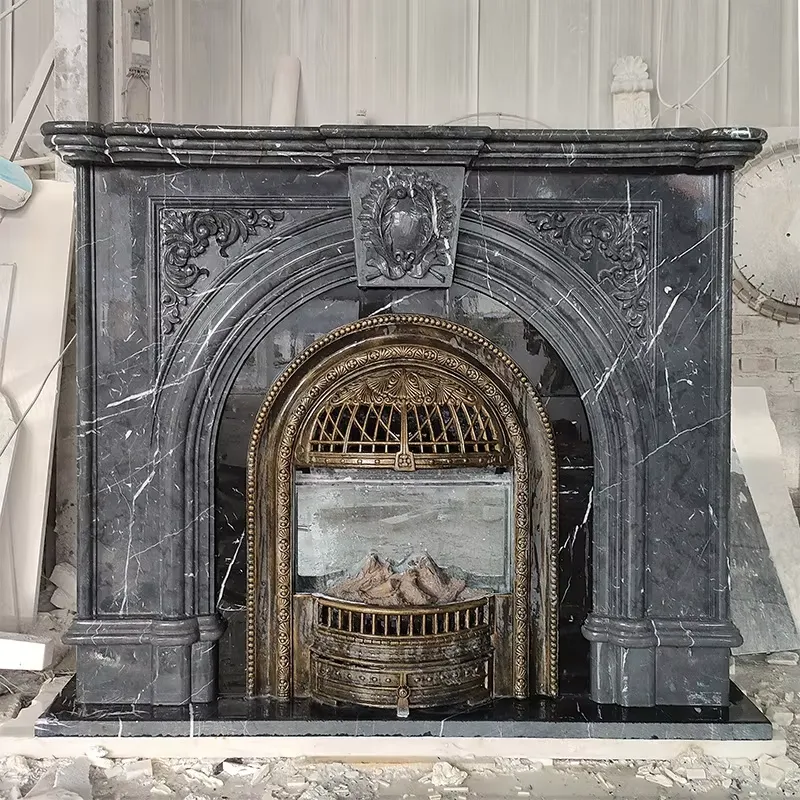
Marble Fireplace as a Strategic Luxury Statement
Material Psychology: How Marble Evokes Prestige and Permanence
Marble has signaled luxury for millennia—from ancient temples to Renaissance palaces—embedding in our collective consciousness an association with prestige, permanence, and authenticity. In commercial spaces, a marble fireplace functions as a silent brand ambassador: its natural veining tells a geological story no synthetic material can replicate, while its weight and cool tactile presence subconsciously convey stability and trust. A 2023 survey by the American Society of Interior Designers found that 82% of high-end hospitality clients perceive natural stone as a direct communicator of brand exclusivity. When guests encounter a marble fireplace in a lobby or lounge, they register cues of success, refinement, and institutional longevity—factors that elevate perceived property value, influence leasing decisions, and improve guest satisfaction. In high-end retail environments, this focal point has even been observed to slow browsing pace, encouraging deeper brand engagement.
Marble Fireplace as Architectural Anchor in High-End Lobbies and Lounges
In expansive hotel lobbies and executive lounges, the marble fireplace serves as the architectural anchor—organizing spatial flow, defining zones, and inviting pause without physical barriers. A floor-to-ceiling marble surround can visually separate a lounge from reception, eliminating the need for walls while reinforcing hierarchy and intentionality in design. Research from Cornell University’s Center for Hospitality Research (2021) shows such features increase average guest dwell time by 15% and boost perceived property value ratings by 22%. The choice of marble—whether honed Statuario for restrained modernity or dramatic Calacatta with bold gold veining—can be calibrated to reflect brand identity, from minimalist sophistication to opulent grandeur. Beyond aesthetics, its thermal mass contributes to ambient comfort, and its scale provides a flexible canvas for seasonal art installations or curated seating—keeping the space dynamic while preserving its core luxury narrative. This dual role—structural and symbolic—makes the marble fireplace a high-impact, performance-driven investment.
Aesthetic Flexibility of Marble Fireplace Across Design Identities
Matching Marble Fireplace Finishes to Brand Aesthetics (Timeless, Dramatic, Minimalist)
A marble fireplace adapts seamlessly to distinct brand identities through finish and tone. For timeless luxury—think heritage hotels, law firms, or legacy retailers—polished Carrara marble offers classic white ground with soft grey veining, evoking enduring elegance. Brands seeking bold differentiation opt for Marquina: deep black stone slashed with stark white veins, ideal for nightclubs, avant-garde boutiques, or luxury automotive showrooms. Meanwhile, minimalist identities benefit from honed or leathered marble in muted monochromes—subtle texture and near-invisible veining recede into the background, allowing clean lines and spatial clarity to dominate. This versatility means one material can express heritage, disruption, or serenity—each rooted in the same architectural gesture.
Veining Patterns and Color Palettes That Elevate Spatial Perception
Veining direction and color temperature actively shape spatial perception. Vertical, linear veins draw the eye upward—visually heightening ceilings in compact lobbies or co-working lounges. Horizontal, fluid veins widen narrow walls, grounding the composition. Warm-toned marbles (creamy beige, soft gold) foster intimacy in restaurant nooks; cool grays and whites reflect light, enhancing openness in corporate receptions. Bookmatched slabs—mirrored pairs forming symmetrical “wings”—introduce deliberate order and precision, reinforcing brand values like craftsmanship and control. Each decision operates at the intersection of aesthetics and psychology, turning the fireplace into an invisible architect of experience.
Performance-Driven Advantages of Marble Fireplace in Commercial Settings
Thermal Stability and Structural Resilience Under High-Use Conditions
Marble excels where durability meets function. Its low thermal expansion coefficient and high density ensure dimensional stability under repeated heating cycles—critical in lobbies where fireplaces operate daily. Unlike softer stones or engineered alternatives, marble resists cracking, discoloration, and surface degradation over time. With a Mohs hardness of 3–4, it withstands incidental contact in high-traffic settings without losing polish or texture—preserving visual impact across years of use.
Maintenance Realities: Balancing Elegance with Practical Longevity
Marble’s luxury demands thoughtful stewardship—not constant vigilance. Annual or biannual sealing prevents absorption of soot, spills, or cleaning residues common in hospitality environments. Daily cleaning with pH-neutral, non-abrasive solutions preserves veining and finish without dulling. Integrated into standard facilities management protocols, this modest upkeep secures long-term visual integrity and reinforces the brand’s commitment to quality. Far from a liability, it’s a predictable operational cost that safeguards both aesthetic authority and functional resilience.
Marble Fireplace ROI: Enhancing Property Value and Tenant Appeal
A marble fireplace delivers measurable financial returns—not just ambiance. High-end finish upgrades consistently recoup 70% to 85% of installation costs at resale or lease renewal, supporting premium rental rates and shorter vacancy cycles. Tenants in luxury segments actively prioritize distinctive architectural anchors that signal permanence and prestige—marble’s inherent gravitas serves as a powerful differentiator in competitive leasing markets. Its durability further reduces long-term maintenance liabilities, protecting net operating income. Combined, these factors transform the marble fireplace from decorative element to tangible value driver—justifying upfront investment through sustained tenant demand, stronger valuations, and enhanced market positioning.
FAQ
Why is a marble fireplace considered luxurious?
Marble has been associated with prestige since ancient times due to its natural veining, tactile coolness, and the durability it offers, making it a timeless symbol of exclusivity and permanence.
How does a marble fireplace influence spatial design in commercial settings?
Marble fireplaces serve as architectural anchors, organizing spatial flow, defining zones, and enhancing guest perception of the space as sophisticated and intentional.
What are the maintenance requirements for a marble fireplace in high-use areas?
Marble requires annual or biannual sealing and daily cleaning with pH-neutral solutions to preserve its finish and veining, making it a manageable upkeep option in hospitality settings.
Can a marble fireplace fit different design identities?
Yes, marble’s finishes and tones—ranging from polished Carrara for elegance to honed monochromes for modern minimalism—make it adaptable to distinct brand aesthetics.
What is the ROI for installing a marble fireplace?
High-end marble fireplaces often recoup 70% to 85% of installation costs at resale or lease renewal, supporting higher rental rates and shorter vacancy cycles.
Table of Contents
-
Marble Fireplace as a Strategic Luxury Statement
- Material Psychology: How Marble Evokes Prestige and Permanence
- Marble Fireplace as Architectural Anchor in High-End Lobbies and Lounges
- Aesthetic Flexibility of Marble Fireplace Across Design Identities
- Performance-Driven Advantages of Marble Fireplace in Commercial Settings
- Marble Fireplace ROI: Enhancing Property Value and Tenant Appeal
-
FAQ
- Why is a marble fireplace considered luxurious?
- How does a marble fireplace influence spatial design in commercial settings?
- What are the maintenance requirements for a marble fireplace in high-use areas?
- Can a marble fireplace fit different design identities?
- What is the ROI for installing a marble fireplace?