 EN
EN

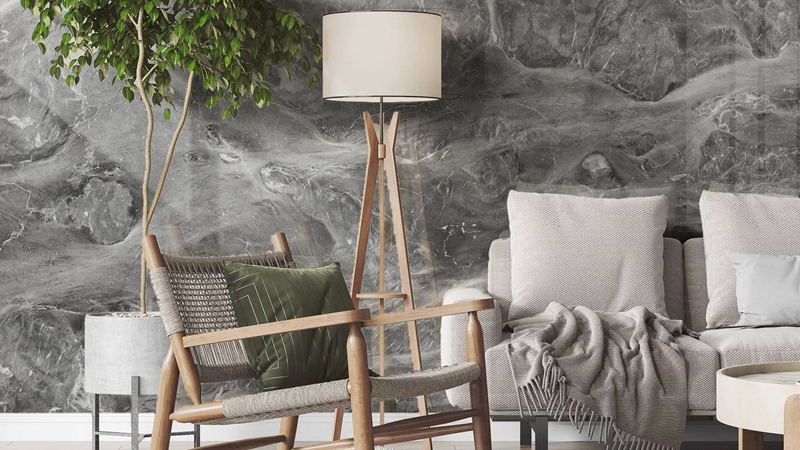
Natural Porosity and Organic Texture: The Signature Identity of a Travertine Table
How mineral-rich spring water forms signature voids and pitting
Travertine’s distinctive holes and pits are not defects—they’re geological signatures. Formed when calcium carbonate precipitates from mineral-rich spring water (often near hot springs or limestone caves), the stone captures organic matter—algae, moss, leaves—as it deposits layer upon layer. Over time, that organic material decomposes and washes away, leaving behind the characteristic voids that define each slab. The direction and velocity of ancient water flow further shape texture: consistent currents align cavities into visible linear grain, while calmer pools produce softer, cloud-like pitting. Quarriers leverage these natural variations to produce vein-cut or cross-cut surfaces—each revealing a different chapter in the stone’s formation. Unlike manufactured alternatives, no two travertine tables share identical pore patterns, because seasonal shifts in water chemistry, organic content, and flow dynamics ensured every deposit was unique. This porosity is not incidental—it’s the fossilized breath of a living landscape, preserved in stone.
Tactile authenticity: Why surface irregularity elevates decorative presence
A travertine table’s pitted, uneven surface transforms function into sensory engagement. Its micro-topography catches light dynamically throughout the day, producing gentle shifts in shadow and warmth that polished slabs cannot replicate. Designers select travertine precisely for this tactile invitation—running a hand across its surface connects users viscerally to its geologic origin in a way sterile, machine-finished materials cannot. In rooms dominated by smooth, predictable surfaces, travertine introduces grounding contrast: its swell and hollow speak of water flow and mineral deposition, making the piece feel simultaneously ancient and contemporary. Interior stylists emphasize that this authenticity adds quiet luxury and narrative depth—turning a simple table into a focal point that sparks conversation. Rather than pursuing flawlessness, travertine honors variation, anchoring interiors in nature with honesty and enduring resonance.
Warm Color Variation and Organic Veining in Every Travertine Table
From ivory to walnut: Iron oxide and calcium carbonate’s role in tonal richness
Travertine’s warmth arises from the interplay of calcium carbonate—the stone’s structural base—and iron oxide, the natural pigment responsible for its tonal range. Trace iron compounds yield soft ivories and creams; increasing concentrations develop warm beiges, golden ambers, and deep walnut browns. These minerals deposit unevenly over millennia, forming delicate veining and hazy strata—not uniform coloration, but layered, organic patterning. Unlike synthetic surfaces, travertine’s veining reflects real-time oxidation and sedimentation, resulting in subtle, non-repetitive transitions from light to dark. The effect is inviting and dimensional: gentle enough to harmonize with neutral palettes, rich enough to ground earthy schemes. This inherent variability ensures each tabletop functions as a singular decorative anchor—distinctive yet cohesive, timeless without being static.
Geological Formation to Decorative Function: Why a Travertine Table Anchors Modern Interiors
Gas cavities and layered deposition create inherent sculptural softness
Travertine forms through successive layers of calcium carbonate precipitation at mineral-rich hot springs. As carbon dioxide escapes from saturated water, gas bubbles become trapped—creating the signature cavities and pitting that define the stone. Combined with rhythmic deposition, this degassing yields a naturally undulating surface. Unlike granite’s uniform grain or marble’s crystalline clarity, travertine’s voids and stratification lend it an intrinsic sculptural softness—less rigid, more fluid in appearance and feel. Designers harness this quality to infuse warmth and tactility into modern spaces. Tables may be left unfilled for raw, textural impact—or filled and honed to a refined matte finish that still preserves subtle topographic nuance. The result is a surface that invites touch and ages gracefully, carrying the unmistakable imprint of geological time. No two slabs are identical; each bears a unique record of pressure, temperature, and mineral saturation—transforming the table into functional natural art.
Historical gravitas meets contemporary grounding—material storytelling in space
Travertine has anchored human architecture for over two millennia—from Rome’s Colosseum to Renaissance palazzos—imbuing it with unmatched historical weight and cultural continuity. In today’s interiors, a travertine table acts as a material storyteller: its earthy tones and fossilized traces evoke geologic time, while its ancient lineage adds quiet sophistication. Unlike sleek, minimalist surfaces that risk feeling detached, travertine grounds a space physically and emotionally—its warmth, texture, and variation encourage gathering and presence. Even in the most restrained environments, its subtle irregularities add narrative depth and human scale. This fusion of antiquity and adaptability makes travertine more than furniture: it’s a bridge between eras, offering permanence without rigidity and elegance without artifice.
Long-Term Decorative Uniqueness: Patina Development and Stylistic Versatility of a Travertine Table
Thermal warmth and visual softness vs. marble or quartz alternatives
Travertine retains ambient warmth far more effectively than polished marble or engineered quartz—both of which conduct and dissipate heat rapidly. Its porous calcium carbonate structure absorbs and gently re-radiates thermal energy, creating a tactile invitation that cold, high-gloss surfaces lack. Visually, travertine offers subdued luminosity rather than sharp reflection: its micro-cavities and iron oxide veining scatter light softly, reducing glare and diffusing harsh illumination. This visual softness allows the table to integrate seamlessly into a room—feeling like part of the space, not merely placed within it. Where marble asserts formality and quartz prioritizes uniformity, travertine delivers organic comfort: grounded, adaptable, and quietly expressive.
Patina evolution: How natural patterning deepens character over time
Unlike materials that degrade or dull with age, travertine develops a rich, luminous patina through everyday use. Oils from skin contact and gentle friction gradually settle into its micro-voids, enhancing contrast in the natural veining and deepening tonal warmth. This slow maturation doesn’t obscure the stone—it amplifies its origin story, reinforcing the layered, mineral-driven narrative formed over millennia. Each mark becomes part of a living archive: evidence of shared meals, conversations, and daily life. The result is a surface that grows more distinctive, personal, and resonant over time—ensuring the table’s decorative presence evolves alongside its surroundings, never growing stale, always deepening in meaning.
FAQ
What makes travertine tables unique?
Travertine tables are unique due to their natural porosity, organic veining, and warm color variations. Each slab's patterns are shaped over millennia, making no two tables identical.
Is the uneven surface of travertine a disadvantage?
No, the uneven surface is considered an aesthetic and tactile feature of travertine. It adds depth, character, and tactile engagement, making it a preferred choice for high-end interior design.
How does a travertine table age over time?
Travertine develops a rich patina over time. Natural oils and friction enhance its texture and color, making the table more characterful and unique as it ages.
What is the difference between vein-cut and cross-cut travertine?
Vein-cut travertine highlights the linear grain of the stone by slicing it along its natural layers, while cross-cut travertine exposes a more cloud-like, soft pitted texture by cutting across the grain.
How does travertine compare to marble or quartz?
Unlike marble or quartz, travertine retains warmth better and offers a softer, organic aesthetic. Its porous and veined surface creates a timeless, tactile appeal while seamlessly integrating into various interior styles.
Table of Contents
- Natural Porosity and Organic Texture: The Signature Identity of a Travertine Table
- Warm Color Variation and Organic Veining in Every Travertine Table
- Geological Formation to Decorative Function: Why a Travertine Table Anchors Modern Interiors
- Long-Term Decorative Uniqueness: Patina Development and Stylistic Versatility of a Travertine Table
- FAQ