 EN

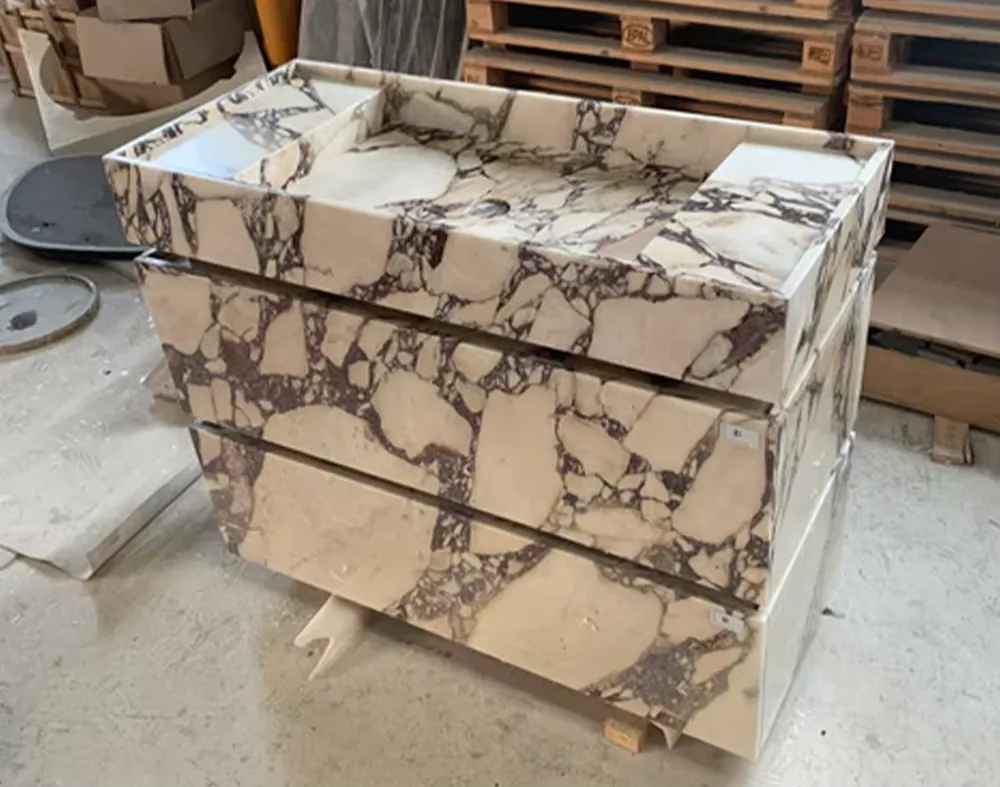
Why a Marble Table Is the Ultimate Style-Neutral Anchor
A marble table commands attention without dictating a single aesthetic. Its intrinsic qualities—geologic depth, cool luminosity, and a surface that resists trends—make it a rare constant in interior design.
The Visual Weight and Textural Authority of Natural Stone
Unlike lightweight materials that can leave a room feeling unsettled, marble introduces a grounding presence that designers call visual weight. This density balances open-plan layouts and anchors smaller spaces with architectural certainty. Its natural veining and crystalline structure give each piece a one-of-a-kind fingerprint; no two tabletops are identical. That textural authority means even the simplest silhouette reads as intentional—not austere. A marble table doesn’t need ornate details to feel complete; its surface does the heavy lifting, varying in tone from the silvery calm of Carrara to the dramatic depth of Negro Marquina. In a sea of mass-produced furniture, that organic irregularity conveys permanence and quiet luxury—inviting complementary styles to gather around it without visual competition.
How Marble Bridges Eras — From Mid-Century to Modern Eclectic
Few materials travel across decades as effortlessly as marble. Mid-century designers prized its cool, honest expression, using slender geometries that let the stone’s voice dominate. Today, those same pieces sit comfortably beneath a neon art installation or a raw-edged industrial pendant. The stone’s timeless pedigree—used in Roman forums, Renaissance palazzos, and contemporary lofts—imbues it with cultural memory that harmonizes disparate periods. A marble table’s neutral palette and natural pattern become a bridge: the clean lines of a 1950s credenza and the bold colours of an abstract canvas both find common ground on its surface. Because marble doesn’t belong to one era, it invites confident mixing—allowing a Victorian rug and a Bauhaus chair to coexist without friction, all anchored by a surface that has gracefully outlived every design movement it has ever touched.
Strategic Pairings: Marble Table Styling Across Design Families
The visual anchor of a marble table makes it an ideal staging ground for blending seemingly conflicting aesthetics. Because natural stone carries its own quiet authority—neither strictly modern nor traditionally ornate—it allows other design elements to borrow its balance. By pairing furniture, lighting, and textiles from different genres, you create a collected, layered interior rather than a theme-room caricature.
Scandinavian Chairs + Industrial Lighting + Bohemian Rugs
This trio plays to contrast. Scandinavian chairs—often crafted from light wood with tapered legs—introduce organic warmth without visual bulk. Their minimalist form lets the marble table’s veining command attention. Above, an industrial pendant with exposed bulbs and raw metal adds utilitarian grit. Beneath, a bohemian rug with faded geometrics or high-pile texture softens hard surfaces and absorbs sound, turning the dining zone into a tactile experience. The marble table’s cool neutrality bridges airy minimalism, rugged industrial edge, and free-spirited softness—proving disparate styles can coexist when one object acts as a quiet, weighty center.
Traditional Sideboards + Contemporary Art + Organic Textiles
For a more scholarly yet relaxed mix, lean into the tension between heritage and now. A mahogany or walnut sideboard with turned legs and brass hardware anchors the room’s formal side, its rich patina echoed in the table’s marble base. Juxtapose this with a large abstract canvas or bold photographic print hung nearby, its modern palette pulling the eye forward. Drape linen napkins or a nubby cotton table runner across the marble surface to interrupt the smoothness with organic touch. This composition works because the marble table acts not as a style statement but as a material diplomat—its timeless geology linking the 18th-century silhouette of the sideboard with the immediacy of contemporary art.
Surface Styling: Using Table Top Decor to Unify Mixed Styles
A marble table’s luminous surface and natural veining allow it to anchor almost any mix of decor styles. The right tabletop arrangement can bridge design languages, turning a functional piece into a cohesive statement.
Layering Scale, Texture, and Tone for Cohesion
Start by placing a focal point—such as a large terrarium—off-center to avoid perfect symmetry. Add secondary pieces like small sculptures or stacked books to introduce varied scale. Build height gradually, from a low tray to a tall candleholder, guiding the eye without overwhelming. Because marble already commands visual weight, keep the arrangement airy—leave breathing room between objects. Texture plays a vital role: juxtapose glossy porcelain against matte stoneware and raw timber accents. The marble table’s smooth, high-contrast backdrop highlights these tactile differences, preventing the surface from feeling cold or overly formal. When the palette stays anchored in the stone’s own gray veins and creamy whites, the whole composition feels intentional—seamlessly tying together the mixed decor styles around it.
Color Restraint and Material Contrast in Luxury Home Decor
Let the marble table’s inherent palette—whites, grays, and occasional gold veining—set a limited color scheme. Choose decor in analogous hues: soft beige ceramics, charcoal linen runners, brushed nickel. Then, introduce a single contrasting material for drama—like unlacquered brass, smoky glass, or a hand-woven seagrass placemat. This contrast adds depth without breaking cohesion. The marble table’s natural luxury elevates even humble materials: a simple wood bowl or terracotta planter will feel curated, not ordinary. Avoid overly bright colors that compete with the stone; if you need a pop, opt for muted blues or deep greens. By keeping the color palette restrained and using material variety sparingly, every element resonates with the marble table—creating a serene, upscale tablescape that bridges different room styles effortlessly.
Common Pitfalls When Mixing Decor Styles with a Marble Table
Even with a marble table’s style-neutral charm, certain missteps can unravel a beautifully layered room. One frequent error is selecting a marble pattern that battles rather than complements existing colors and textures—a slab with overpowering veins can visually shout over quieter design elements, turning a space from curated to chaotic. Another pitfall is ignoring scale: a delicate, narrow-veined marble may get lost in a large, airy room, while a boldly patterned top can smother a compact dining nook, squandering the table’s anchoring effect.
Forgetting to edit the mix also causes trouble. Piling on too many disparate chairs, lamps, and accessories creates competition—not conversation—and the marble table vanishes into the noise. Instead, let the stone be the calm center, with surrounding pieces that echo a single undertone or finish. Finally, overlooking how natural and artificial light shifts the marble’s appearance can dull its impact; a well-placed lamp or diffused daylight brings the veining to life, while shadowy corners flatten the surface. Sidestep these traps and your marble table will effortlessly unite every style around it.
FAQ
Q: Why is a marble table considered style-neutral?
A: Marble tables are considered style-neutral because their natural aesthetics, such as veining, color palette, and material adaptability, blend seamlessly with a variety of decor styles, from modern to traditional.
Q: How do I pair a marble table with different furniture styles?
A: Pair contrasting styles such as Scandinavian chairs with industrial lighting and bohemian rugs, or mix traditional furniture with contemporary art. A marble table anchors the contrast and unites the overall look.
Q: What are the common mistakes to avoid when styling a marble table?
A: Avoid choosing overpowering marble patterns, mismatching scale, overloading with accessories, and neglecting lighting. These can disrupt the harmony and visual appeal of your space.
Q: What decor options work best on a marble tabletop?
A: Use a mix of textures and restrained colors to complement the marble's natural veining, such as soft beige ceramics, natural wood, and muted elements, along with one contrasting material for depth.
Q: How can lighting enhance a marble table's appearance?
A: Proper lighting, such as a well-placed lamp or natural daylight, accentuates the marble's veining and texture, giving it a dynamic and eye-catching look.