 EN

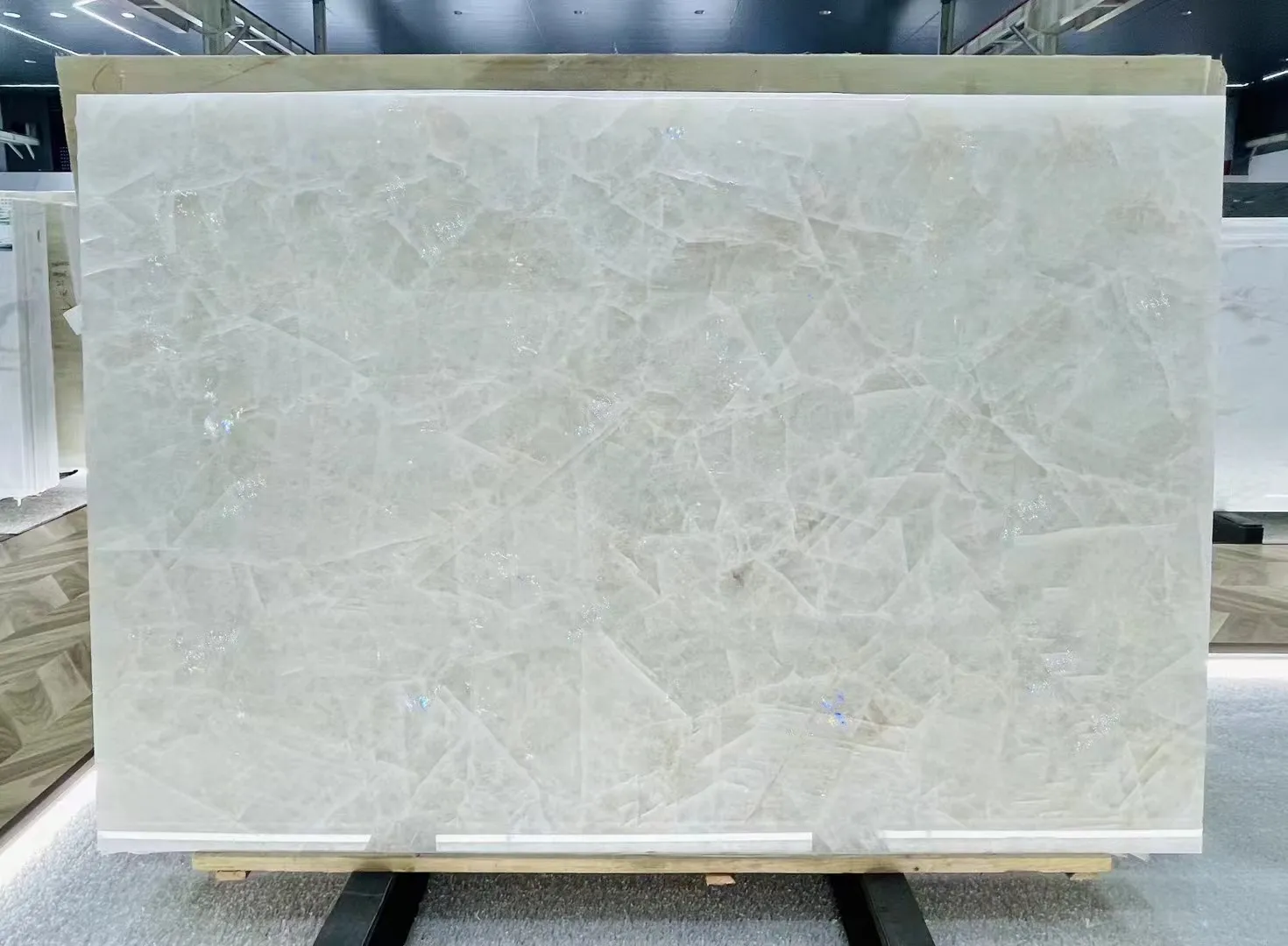
Marble Countertop Porosity: The Core Reason Sealing Is Non-Negotiable
How natural stone microstructure enables rapid liquid absorption and permanent staining
Marble forms when limestone undergoes intense heat and pressure, transforming into a crystalline structure of interlocking calcite grains. Microscopic pores between these grains create an interconnected capillary network—essentially nature’s built-in wicking system. When liquid contacts unsealed marble, it’s drawn inward within seconds, much like water into a sponge. Even plain water can deposit minerals that darken the surface over time. Acidic substances—including lemon juice, wine, and vinegar—chemically dissolve the calcite, creating etched, dull spots and deepening stain pathways. Once pigmented liquids penetrate beyond the surface layer, they become embedded in the stone’s physical matrix. Unlike surface stains, these internal discolorations resist standard cleaning and typically require professional grinding to correct. Because this vulnerability is intrinsic to marble’s geology, sealing isn’t optional—it’s the essential first barrier against irreversible aesthetic and structural degradation.
Empirical evidence: 72% of unsealed marble countertops exhibit visible staining within 6 months (CTA Study, 2023)
A 2023 study by the Countertop Testing Alliance found that 72% of unsealed marble countertops developed clear, irreversible staining within six months of normal household use. Researchers simulated everyday exposures—including coffee, olive oil, and citrus juice—and observed rapid absorption rates exceeding 0.5 grams per square centimeter per hour in some varieties. These findings confirm that unsealed marble doesn’t just risk damage—it reliably records every spill as permanent visual history. Sealing is therefore not a cosmetic enhancement but a foundational requirement for preserving both appearance and integrity from day one.
Sealing’s Dual Role: Stain Prevention and Surface Protection for Marble Countertop
A quality penetrating sealer is the first line of defense for any marble countertop—but its effectiveness hinges on understanding precisely what it does—and doesn’t—protect against. While sealing dramatically slows liquid absorption to prevent stains, it offers no resistance to acid-induced etching. Recognizing this distinction empowers homeowners to pair sealing with smart daily habits for comprehensive protection.
Clarifying the sealant boundary: Blocks stains effectively, but requires complementary etch prevention strategies
Penetrating sealers work by filling marble’s microscopic pores with hydrophobic resins, creating a barrier that repels water-, coffee-, and oil-based liquids. This gives you critical minutes—often 15 to 30—to wipe spills before they soak in and cause deep-set discoloration. That’s why sealed surfaces resist stubborn stains from red wine or cooking oil. However, sealers do not shield against chemical etching. Acids like citrus juice or vinegar react directly with calcium carbonate in the stone, dissolving the polished surface regardless of sealant presence. The result is a localized dull spot—not a stain—and no sealer can prevent it. Full protection demands a two-part strategy: sealing for stain resistance, plus proactive etch prevention—using coasters, cutting boards, and immediate spill cleanup. A sealer buys time; discipline prevents surface damage.
Everyday threats decoded: Citrus, wine, vinegar, and cooking oils—and why unsealed marble countertops degrade rapidly under exposure
Kitchens expose marble to its most aggressive adversaries: citrus fruits, wine, vinegar-based dressings, tomato sauces, and cooking oils. Without a sealer, marble’s porous structure acts like a wick—olive oil can penetrate in as little as 10–15 seconds, leaving a dark, permanent stain only professional restoration can resolve. Acidic spills are even faster: lemon juice can etch the surface in under 60 seconds, creating rough, chalky marks that cleaners cannot restore. While a penetrating sealer significantly delays oil absorption, it offers zero chemical resistance to acids. That dual vulnerability explains why unsealed marble degrades so rapidly: it absorbs deeply and erodes at the surface, cumulatively dulling its luminous finish. Even on freshly sealed countertops, daily pH-neutral cleaning and instant blotting—not wiping—remain non-negotiable habits.
Validating and Maintaining Seal Integrity on Marble Countertop
The water test demystified: Accurate interpretation of absorption time to guide resealing decisions
Given that 72% of unsealed marble countertops exhibit visible staining within six months (CTA Study, 2023), verifying seal integrity is essential. The water test delivers a simple, field-accurate assessment: place a few drops of clean water on a dry, inconspicuous area of the countertop. If the stone darkens or absorbs the water within 10 minutes, the seal has degraded and reapplication is needed. If the droplets bead and remain intact for 30 minutes or longer, protection is still effective. Conduct this test quarterly in high-use zones—near sinks, stovetops, and prep areas—to detect wear early and avoid costly restoration.
Resealing frequency by use case: Annual maintenance vs. high-traffic kitchens (every 6–9 months)
Resealing intervals should reflect real-world usage—not just calendar time. For standard residential marble countertops with moderate use, annual resealing maintains reliable protection against common oil- and water-based stains. In high-traffic kitchens—especially those where acidic foods, wines, and cooking oils regularly contact the surface—the seal breaks down more quickly due to repeated chemical and mechanical stress. In these environments, plan for resealing every 6 to 9 months. Always validate timing with the water test rather than relying solely on schedule, and follow manufacturer instructions for proper application and dwell time.
Avoiding Costly Mistakes: Best Practices for Marble Countertop Care
pH-neutral cleaning, instant spill response, and why vinegar-based 'natural' cleaners compromise marble countertop seal longevity
Daily care is where long-term protection is won—or lost. Blot spills immediately with a soft, dry cloth—never wipe, which spreads contaminants deeper into the stone’s pores. For routine cleaning, use only pH-neutral cleaners formulated for natural stone; many household products contain acids or abrasives that dull polish and degrade sealant bonds. A particularly common misstep is turning to vinegar-based “natural” cleaners. Vinegar’s acetic acid attacks marble’s calcium carbonate, causing visible etching (dull, white marks) while simultaneously weakening the sealer’s adhesion. Repeated use accelerates seal failure, increases resealing frequency, and exposes the stone to moisture and staining agents it was designed to repel. Once compromised, the countertop loses its primary defense—making consistent, informed care as vital as the initial seal.
FAQs
Why is sealing marble countertops essential?
Sealing protects the porous structure of marble from absorbing liquids that cause stains and physical damage. Without a sealer, liquids like coffee, wine, and acidic substances can penetrate the stone, leading to permanent discoloration and etching.
How can I check if my marble countertop’s seal is still effective?
Perform the water test by placing a few drops of water on a dry surface. If the water absorbs or darkens the stone within 10 minutes, resealing is required. If it beads and remains intact for 30 minutes or longer, the seal is effective.
How often should I reseal my marble countertop?
Standard-use countertops require resealing annually, while high-traffic kitchens may need resealing every 6–9 months. Use the water test to guide the timing.
Do sealers protect against acid-based etching?
No, sealers can only prevent stains from liquids but cannot resist chemical etching caused by acids like citrus juice or vinegar. For comprehensive protection, pair sealing with careful habits like using coasters and cleaning spills immediately.
Can I clean my marble countertops with vinegar?
No, vinegar contains acetic acid that damages marble’s calcium carbonate. It causes visible etching and weakens the seal, inviting further staining and damage.