 EN
EN

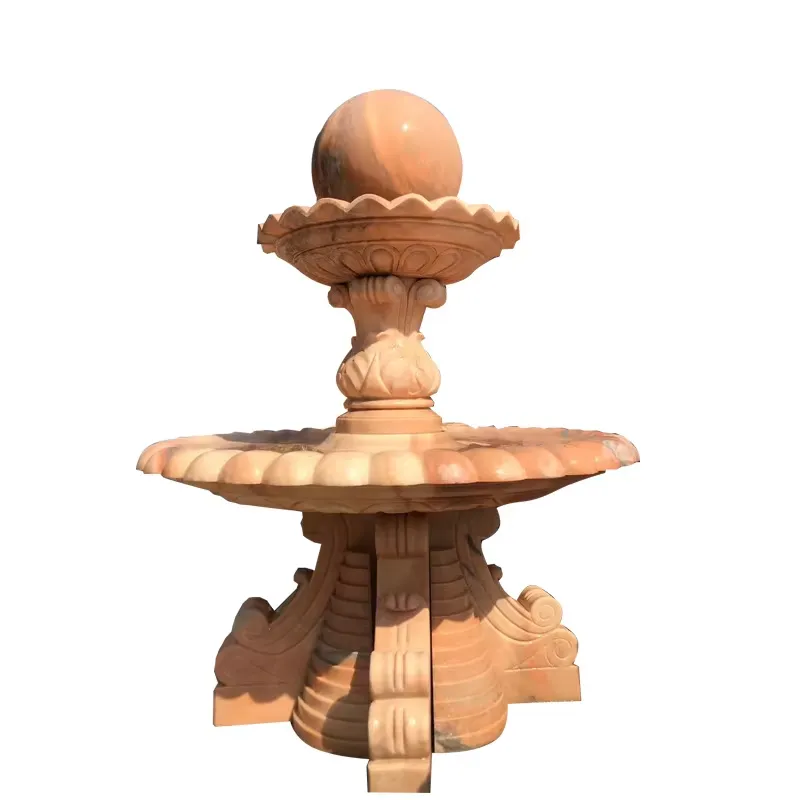
Why Outdoor Marble Sculpture Demands Specialized Maintenance
Chemical Weathering: Acid Rain and Carbonation Effects on Calcium Carbonate
Marble is composed primarily of calcium carbonate—a mineral highly susceptible to acidic environments. When rain combines with atmospheric pollutants like sulfur dioxide and nitrogen oxides, it forms dilute sulfuric and nitric acids that react with the marble surface, converting it to gypsum: a water-soluble compound that washes away, eroding fine details and leaving a sugary, pitted texture. Simultaneously, dissolved carbon dioxide forms weak carbonic acid, slowly dissolving calcite over decades. This dual chemical attack is relentless—studies by the Getty Conservation Institute show urban marble sculptures can lose up to 0.02 mm of surface detail annually. The cumulative effect blurs inscriptions, rounds crisp edges, and dulls the artist’s original intent. Without pH-neutral cleaning and periodic protective treatments, aesthetic and historical value diminishes irreversibly. Restoration costs escalate dramatically: a single large-scale conservation project can exceed $50,000 (ICCROM 2023), underscoring the necessity of preventive care.
Physical Degradation: Freeze-Thaw Cycles and Thermal Stress Cracking
Water infiltration drives much of the physical decay in outdoor marble sculpture. Marble’s natural porosity absorbs moisture from rain, humidity, and dew. When temperatures drop below freezing, trapped water expands by approximately 9%, generating pressure that initiates micro-cracks. Repeated freeze-thaw cycles widen these fissures, leading to spalling, flaking, and eventual loss of carved elements. Thermal stress compounds this damage: because marble’s constituent minerals expand and contract at different rates, internal stresses build with temperature fluctuations, causing stress fractures over time. In temperate climates, freeze-thaw cycling can reduce structural integrity by 30% within a decade (American Society of Civil Engineers, 2019). In severe winter regions, visible cracking may appear after just one season. Once major cracks develop, stability is compromised. Effective maintenance must therefore include drainage inspections, breathable seasonal covers, and targeted crack monitoring to interrupt degradation before costly repairs become unavoidable.
Biological Growth: Lichen, Algae, and Root Intrusion Mechanisms
Biological colonization poses a multifaceted threat to outdoor marble sculpture. Lichens and algae secrete organic acids that etch the surface, while their rhizines penetrate microscopic pores, mechanically prying the stone apart. Algal biofilms trap moisture, accelerating both chemical weathering and freeze-thaw damage. Beyond surface growth, root intrusion from nearby trees or shrubs can exert immense pressure—either on foundations or directly into existing cracks—causing splitting and displacement. A 2020 assessment by the European Federation of Geologists found biological growth increased marble surface recession by up to 40% compared to clean stone. Removal requires nuance: harsh chemicals or abrasive methods risk substrate damage, and some lichen species are legally protected, necessitating expert evaluation. A specialized maintenance plan must therefore include gentle cleaning with heritage-approved biocides, ongoing vegetation monitoring, and strategic root barriers. Ignoring biological growth invites irreversible etching and structural weakening—making professional guidance essential for long-term preservation.
Core Hands-On Maintenance Skills for Outdoor Marble Sculpture
Regular upkeep preserves not only appearance but also structural integrity. The following techniques address common surface-level issues safely and effectively.
Non-Invasive Cleaning: pH-Neutral Solutions and Low-Pressure Water Techniques
The safest first step is gentle rinsing with low-pressure water—a garden hose set to a fine mist or a pump sprayer—to remove loose dirt and debris. Avoid pressure washers; their force can erode softened stone and drive moisture deeper into micro-fractures. For persistent soil, use a pH-neutral cleaner (7.0–7.5) formulated specifically for porous stone. Apply with a soft-bristle brush or natural sponge, working in small sections from bottom to top to prevent streaking. Never use acidic cleaners (e.g., vinegar or citrus) or household detergents, which dissolve calcium carbonate and leave a dull, etched surface. Rinse thoroughly with deionized water to avoid mineral deposits from tap water. This method removes biological film and atmospheric soot without abrading the original patina—helping the marble retain its historical surface character.
Consolidation and Surface Reintegration Using Nano-Lime and Ethyl Silicate
When weathering causes granular disintegration or powdering, conservators rely on compatible consolidants that penetrate and bind without compromising breathability. Nano-lime dispersions—calcium hydroxide particles under 100 nm—mimic marble’s chemistry. Applied as a mist or brush-on treatment to pre-wetted surfaces, they absorb into pore spaces and slowly convert to calcium carbonate upon exposure to air, re-cementing loose grains. For more advanced deterioration, ethyl silicate (TEOS) forms a silica gel network that reinforces the stone while preserving its natural porosity. Both treatments require strict environmental control: relative humidity above 50% and temperatures between 10°C and 25°C for proper curing. After application, lightly tamp lifted flakes with a damp sponge to encourage re-adhesion. These interventions demand careful testing on an inconspicuous area first—over-consolidation can create impermeable crusts that trap moisture and accelerate decay.
Preventive Strategies to Preserve Outdoor Marble Sculpture Long-Term
Shelter Design and Microclimate Buffering for Site-Specific Protection
Strategic sheltering is among the most effective long-term protections for outdoor marble sculpture. A well-designed canopy or roof overhang deflects direct rainfall, reducing moisture penetration and acid deposition. In exposed locations, transparent polycarbonate shields offer UV protection without obstructing sightlines. Microclimate buffering also includes thoughtful siting—placing sculptures near natural windbreaks such as hedgerows or walls—to minimize wind-driven rain and thermal shock. Ground-level plinths with integrated drainage prevent water pooling and mitigate freeze-thaw stress at the base. By modifying the immediate environment, these interventions create a stable micro-environment that meaningfully slows weathering processes—extending lifespan with minimal intervention.
Knowing Your Limits: When to Call a Professional for Marble Sculpture Conservation
While routine cleaning and minor surface repairs can be managed with pH-neutral solutions and marble dust fillers, significant damage demands professional intervention. Deep cracks, structural instability, extensive biological colonization, or widespread etching signal underlying issues that DIY approaches may worsen. Professional conservators bring calibrated tools, diagnostic expertise, and materials like nano-lime—applied under controlled conditions—to safely consolidate and stabilize the stone. Recognizing these limits protects the artwork’s integrity, historical authenticity, and long-term value—ensuring irreversible harm is avoided.
FAQ Section
What causes the deterioration of outdoor marble sculptures?
Outdoor marble sculptures deteriorate primarily due to chemical weathering (like acid rain), physical degradation (such as freeze-thaw cycles), and biological growth (lichen and algae).
Why is pH-neutral cleaning important for marble sculptures?
pH-neutral cleaning is essential to prevent damaging the calcium carbonate in marble, preserving the stone’s surface without causing etching or dullness.
What preventive measures can be taken to protect outdoor marble sculptures?
Preventive measures include effective shelter design, microclimate buffering, drainage inspections, seasonal covers, and removing invasive biological growth.
When should a professional conservator be called?
A professional should be called for tasks like addressing deep cracks, structural instability, extensive biological colonization, or widespread etching to prevent irreversible damage.
What are nano-lime and ethyl silicate treatments?
Nano-lime and ethyl silicate treatments are conservation materials used to consolidate disintegrated or weathered marble surfaces without compromising breathability.