 EN
EN

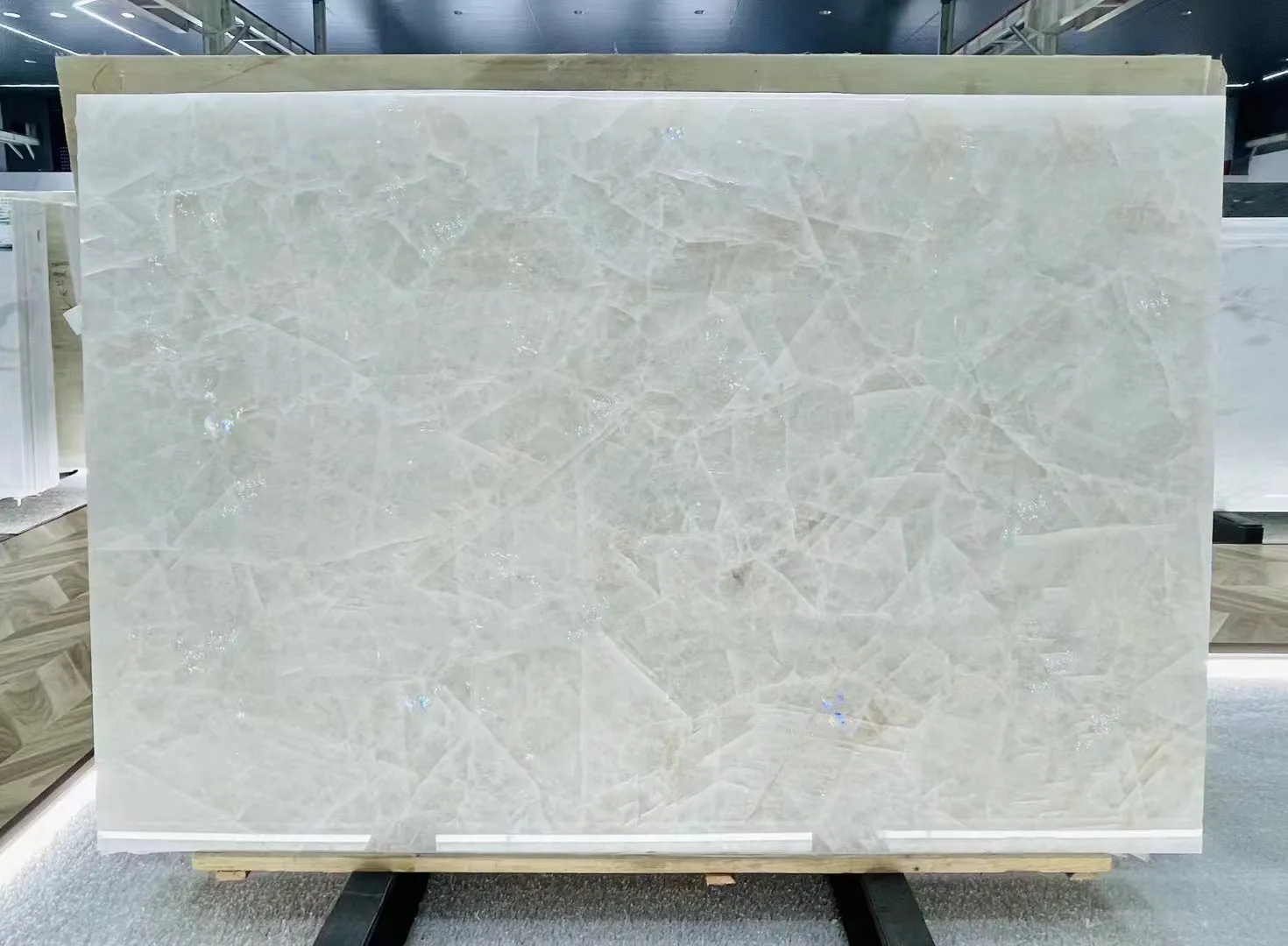
Why White Marble Demands Budget-Conscious Planning
Incorporating white marble into a full-house renovation is a statement of timeless elegance—but its cost structure demands meticulous budget planning. Unlike mass-produced materials, white marble exhibits natural veining and color variation that can clash across slabs, making it essential to personally approve each slab before fabrication to avoid expensive mismatches. Quarrying, international transportation, and handling add significant operational costs—and unexpected breakage during cutting or installation can waste up to 14% of the material. Without a detailed plan, these hidden expenses quickly escalate. Experts recommend building a 15–20% contingency fund into your white marble budget to cover complex installation, material waste, and last-minute design adjustments. Hiring skilled installers who specialize in natural stone further reduces the risk of costly damage—ensuring the marble’s luxury is achieved without derailing your financial goals.
Prioritize High-Impact, Low-Risk White Marble Applications
Strategic placement of white marble transforms a renovation without draining the budget. By targeting high-impact zones, you achieve luxury where it matters most.
Focus on focal points: fireplace surrounds, accent walls, and bathroom vanities
White marble commands attention best when concentrated in a single, dramatic statement. A floor-to-ceiling fireplace surround becomes the room’s anchor, its natural veining catching light and drawing the eye. An accent wall behind a bed or in a dining area adds texture and depth without the expense of full-room coverage. In bathrooms, a white marble vanity top paired with simpler side splashes delivers a durable, elegant surface that elevates the entire space. Nearly half of interior designers favor premium marble for these targeted applications precisely because its luminosity and subtle movement create opulence without requiring vast square footage. Limiting white marble to these focal points preserves its visual impact while containing material costs and minimizing the skilled labor needed for flawless installation—yielding a designer look that feels intentional and curated.
Avoid full-floor or full-kitchen coverage—strategic zoning saves 40–60% in material and labor
Covering an entire floor or kitchen countertop in white marble multiplies both upfront cost and long-term upkeep. Instead, define discrete zones: a marble-topped island paired with butcher-block or quartz perimeter counters, or a marble entryway threshold that transitions into engineered wood. This approach typically cuts material and labor expenses by 40–60%, as you purchase only the precise slabs needed for the featured area—avoiding the high waste factor inherent in full-room layouts. Contractors consistently identify complex installation and subfloor preparation—not the stone itself—as the primary cost driver for expansive surfaces. Choosing a single, carefully framed zone also simplifies maintenance: you enjoy the elegance of white marble where it shines most, while using more forgiving, lower-cost materials in high-traffic or spill-prone areas. The resulting visual contrast enhances the design, and redirected savings can fund quality underlayment or professional sealing.
Extend White Marble Longevity Without Premium Costs
Effective, affordable sealing: penetrating sealers vs. costly impregnators
Protecting white marble from stains and etching starts with the right sealer—but premium price tags rarely translate to proportional performance gains. Penetrating sealers, often water-based, soak into the stone’s pores to create an internal protective barrier. These solutions typically cost 30–50% less than high-end solvent-based impregnators and are easier to apply evenly. Many professionals recommend water-based formulas because they resist yellowing and allow the stone to breathe—reducing moisture-related damage over time. For typical residential use, a quality penetrating sealer applied once annually is sufficient for low-traffic accent walls or vanity tops. Reserve heavier-duty impregnators only for high-moisture zones like steam showers. This pragmatic choice cuts sealing costs nearly in half while maintaining robust protection.
DIY-friendly cleaning routines that prevent etching and dulling
Daily habits make a bigger impact on marble longevity than any specialty product. Always wipe spills immediately with a soft microfiber cloth and plain water—acidic liquids like lemon juice or wine can etch a polished surface in minutes. Use only pH-neutral cleaners; even mild acids like vinegar degrade the finish over time. For a safe, homemade solution, mix a few drops of mild dish soap with warm water. Avoid scrubbing pads or abrasive powders, which create micro-scratches that trap dirt and dull the shine. Place coasters, trivets, and mats under glasses, hot pans, and toiletries to prevent ring marks and heat damage. Regular dusting with a dry mop or soft cloth removes grit that can abrade the surface. These no-cost routines preserve luster, extend sealer life, and reduce the need for professional restoration.
Smart Sourcing and Installation Tactics for White Marble
Effective white marble renovation hinges on two often-overlooked factors: how you source the stone and who installs it. Strategic procurement and specialized labor can slash costs by 40–60% while preserving the stone’s luxurious appeal.
Source remnant slabs or off-cuts for small features—up to 50% savings
Stone fabricators routinely accumulate remnant pieces from larger projects—these off-cuts are ideal for smaller focal points like bathroom vanities, fireplace hearths, or accent walls. Because they’re already cut and often destined for disposal, suppliers offer them at substantial discounts. Purchasing white marble remnants can trim material costs by up to half, freeing budget for higher-quality finishes elsewhere. Always inspect remnants for consistent veining and thickness, and confirm the piece is large enough for your intended use to avoid unsightly seams.
Hire specialized tile setters—not general contractors—for precise, waste-minimized installation
Installing white marble is not a task for a general handyman. A specialized tile setter brings expertise in handling natural stone’s brittleness, optimal cutting techniques, and appropriate adhesive selection. This precision directly reduces waste: specialists often achieve a 10–15% reduction in material overage through meticulous layout planning and fewer cutting errors. Their familiarity with white marble’s sensitivity to improper sealing and acidic cleaners also prevents costly future repairs. While their hourly rate may be higher, the long-term savings from accurate, damage-free installation far outweigh the initial expense.
FAQ
Is white marble a cost-effective choice for home renovations?
White marble can be cost-effective if strategically planned. Limiting it to focal points, sourcing remnants, and planning for a contingency fund can help manage expenses.
What are the best areas to use white marble in a home?
High-impact areas like fireplace surrounds, accent walls, and bathroom vanities are ideal for white marble, as they enhance luxury without requiring extensive coverage.
How can I protect white marble from stains and etching?
Use penetrating sealers, clean spills immediately, and avoid acidic or abrasive cleaning agents. Regular maintenance, like dusting and using pH-neutral cleaners, also helps.
What is the advantage of sourcing remnant slabs?
Remnant slabs are ideal for smaller features like vanities or accent walls and can save up to 50% in material costs while still delivering premium quality.
Should I install white marble myself or hire a professional?
Hiring a specialized tile setter is highly recommended for white marble due to its brittleness and the precision required for installation.