 EN
EN

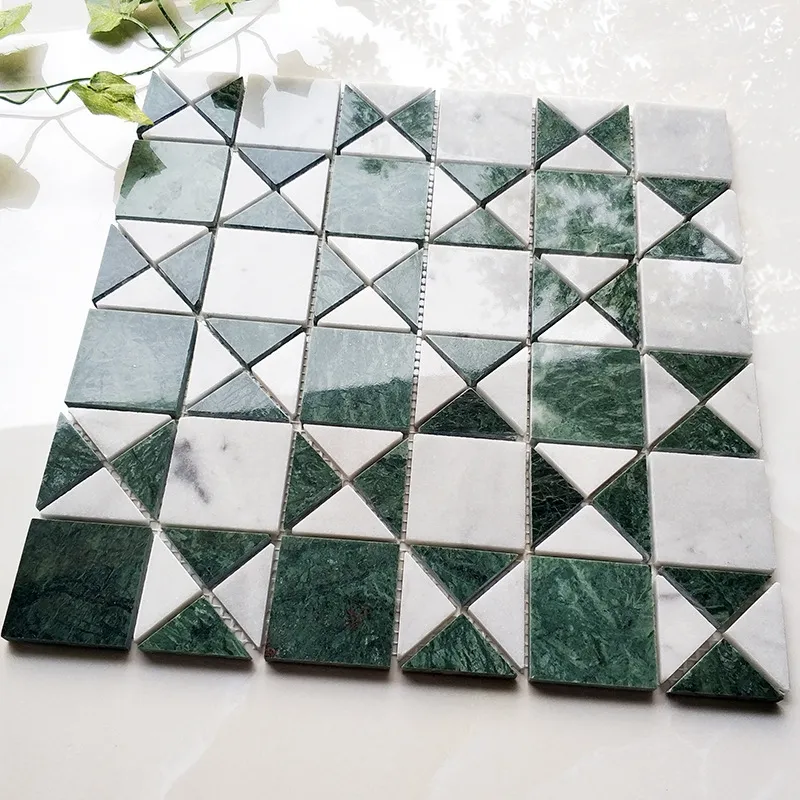
White Marble’s Light-Reflecting Properties and Spatial Expansion
How white marble’s high light reflectance enhances brightness and perceived volume
White marble surfaces reflect a significant portion of ambient light, directly influencing a room’s luminosity and spatial feel. Polished white marble achieves a reflectance of 65–75%, compared to 40–55% for honed finishes and under 30% for many painted walls. This high albedo scatters both natural and artificial light across adjacent surfaces, reducing shadow pockets and creating a uniform glow. A 2022 study by the Lawrence Berkeley National Laboratory found that raising average wall reflectance from 50% to 70% can increase perceived room brightness by 15%—a finding that underscores how even modest gains in surface reflectivity alter visual perception. When light bounces off white marble floors and walls, the eye reads the room as larger than its actual dimensions. The effect is amplified by the stone’s crystalline structure, which diffuses light in a way that softens edges and blurs boundaries. Designers often pair white marble with large windows or linear LED downlights to maximize this optical expansion. Consistent use across adjacent surfaces—such as a continuous floor-to-wall treatment—eliminates visual breaks and strengthens the illusion of expanded volume.
Strategic use of white marble in compact or low-light interiors to amplify openness
In compact spaces like powder rooms, galley kitchens, or narrow hallways, white marble serves as a practical tool for spatial manipulation. Its reflective surface reduces the sense of enclosure by redistributing light into darker corners. Large-format marble slabs with minimal grout lines create a seamless backdrop that draws the eye outward, making cramped bathrooms or entryways appear more generous. Diagonal tile layouts further enhance the effect by leading the gaze across the floor and into the distance. In low-light interiors—such as basement apartments or north-facing rooms—a polished white marble feature wall acts as a passive light amplifier, capturing available daylight and bouncing it deeper into the space. Pairing marble with mirrored surfaces or glass accents multiplies the light-scattering effect. Even in windowless corridors, a high-gloss white marble floor can lift the perceived ceiling height and mitigate the tunnel-like sensation. By intentionally placing white marble where light is scarce, architects and designers transform cramped, dim areas into bright, inviting zones that feel significantly larger than their physical measurements.
Tonal Variation and Surface Finish: Defining Atmosphere and Texture with White Marble
White marble’s expressive range goes far beyond its base color—subtle tonal shifts and surface treatments let you sculpt the feel of a room as much as its look. The interplay of cool or warm whites and distinct finishes determines how light dances, how surfaces feel under touch, and ultimately how people experience the space.
Cool vs. warm white marble tones and their psychological and stylistic impact
The temperature of white marble—cool or warm—is defined by its undertones and veining. Cool whites, with crisp bluish-gray or black veining, evoke order, clarity, and a contemporary edge. They reflect light sharply, enhancing perceived spaciousness and anchoring minimalist or industrial palettes where visual calm is paramount. In contrast, warm whites display beige, cream, or golden undertones and soft brown or honey-toned veins. These stones diffuse light into a gentler glow, imparting comfort, intimacy, and timeless elegance. A warm white marble floor with subtle beige veining can turn a bathroom into a spa-like retreat, while the same scheme in a living area fosters sociability. By choosing the tonal temperature, designers manipulate emotional response—cool for focus and spatial expansion, warm for welcome and relaxation.
Polished, honed, and flamed finishes—how each alters light diffusion and tactile experience
Surface finish transforms white marble’s interaction with light and touch, directly shaping atmosphere and safety.
- Polished – A high-gloss surface that maximizes reflectivity and color saturation. Its mirror-like sheen makes veining appear more vivid and bounces light deep into a room, creating a brilliant, luxurious effect. Tactilely smooth and cool, it’s ideal for feature walls or statement countertops where drama is desired.
- Honed – A matte, satin-smooth finish that scatters light softly, reducing glare and eye strain. Its understated, organic appearance pairs well with residential and wellness-focused spaces, while its increased slip resistance makes it a practical choice for bathroom floors and high-traffic hallways.
- Flamed – Achieved through rapid thermal shock, this rugged, textured finish delivers excellent traction and a subdued, earthy appearance. Light diffuses unevenly, producing a low-contrast, naturalistic effect—ideal for outdoor patios, pool surrounds, or shower floors where safety and character are priorities.
Veining as Visual Architecture: Guiding Perception and Identity in White Marble Interiors
Vein density, direction, and contrast as mood regulators and style signifiers
White marble veining functions as a silent design language, shaping atmosphere through its visual rhythm. Sparse, delicate veins in soft gray or taupe create a calm, minimalist feel—ideal for airy, unobtrusive spaces. Dense, dramatic veining with high contrast—such as dark charcoal streaks on a bright white base—introduces energy and opulence, immediately drawing the eye and establishing a focal point. Vein direction also influences perception: horizontal lines can widen a narrow hallway, while vertical or diagonal patterns suggest movement and height. These variations allow designers to dial in the desired emotional register—from serene spa-like retreats to bold, gallery-like statements—without additional ornamentation.
Using veining patterns intentionally to direct movement, frame views, and unify design
Beyond mood, white marble veining can choreograph how people experience a space. Directional veining laid along a corridor naturally guides walking paths, subtly reinforcing circulation without signs or barriers. Book-matched slabs—where two mirror-image panels create symmetrical figures—anchor key areas like lobbies or dining spaces, framing central views such as fireplaces or courtyards. In open-plan interiors, repeating a consistent vein orientation across flooring and wall cladding unifies separate functional zones, reinforcing cohesion despite programmatic differences. This strategic use of pattern transforms marble from a passive surface into an active shaping element—aligning its inherent beauty with architectural intent.
Frequently Asked Questions
Why is white marble ideal for enhancing room brightness?
White marble reflects a significant portion of light, creating a uniform glow and reducing shadow pockets. Polished finishes can reflect 65–75% of light, enhancing brightness.
Can white marble make a small space feel larger?
Yes, its high reflectance and ability to scatter light make rooms appear visually larger. Designers often pair it with seamless surfaces and strategic layouts to amplify this effect.
What is the difference between polished, honed, and flamed finishes?
Polished marble maximizes reflectivity and vibrance. Honed finishes diffuse light softly and offer slip resistance. Flamed surfaces are rugged, textured, and ideal for safety-oriented outdoor spaces.
How do veining patterns affect interior design?
Veining density, direction, and contrast regulate the mood of a space, guide movement, frame views, and unify design elements, allowing thorough personalization without extra ornamentation.
Can warm and cool marble tones impact a room's ambiance?
Yes, cool tones create clarity and spaciousness, while warm tones evoke intimacy and comfort, giving designers flexibility in emotional and stylistic customization.