 EN
EN

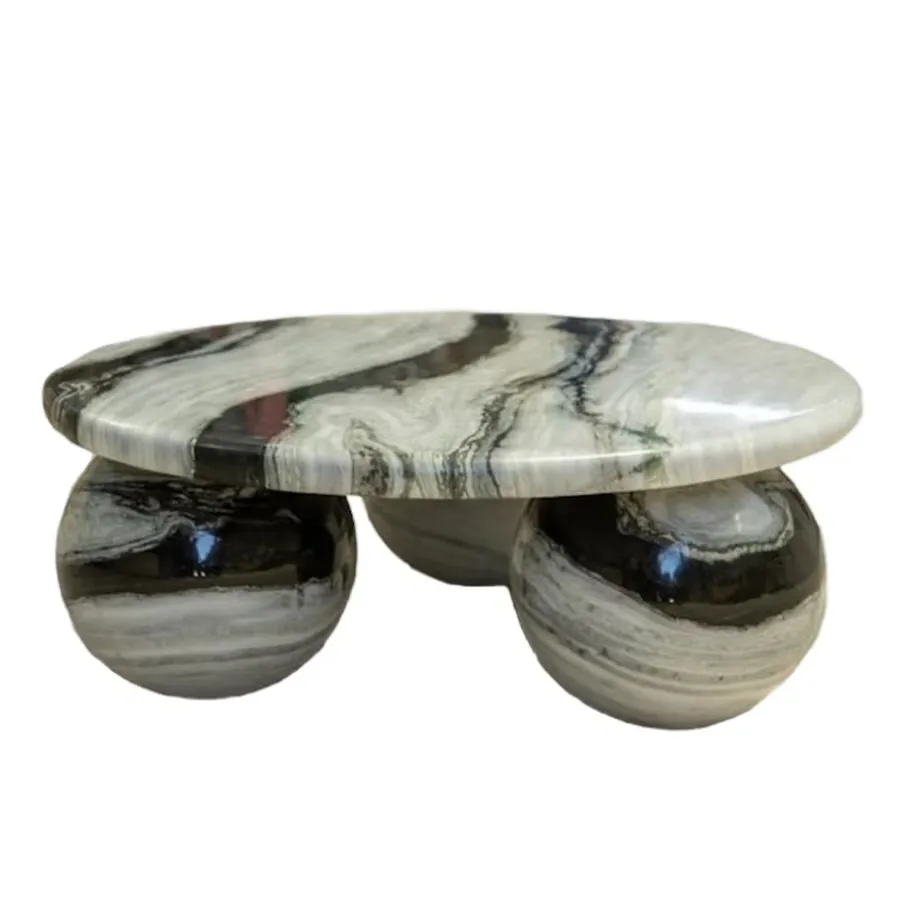
Why Travertine Tables Are Prone to Scratching
The Role of Mohs Hardness and Natural Porosity
Travertine tables exude timeless elegance—but their surface is inherently vulnerable to scratching due to two interrelated physical properties: low Mohs hardness and natural porosity. Ranking just 3–4 on the Mohs scale, travertine is significantly softer than granite (6–7) or quartz (7), making it susceptible to abrasion from everyday objects like ceramic dishware, keys, or even grit-laden dust containing quartz particles. This softness stems from its composition—calcium carbonate—which fractures easily under lateral pressure. Compounding this, travertine forms through mineral precipitation, leaving behind a network of microscopic voids and channels. These pores act as structural weaknesses: when a sharp or gritty object is dragged across the surface, they facilitate chipping and micro-fracturing at the granular level, resulting in visible scratches. Even light contact with abrasive particles can produce cumulative micro-scratches that dull the finish over time.
Honed, Polished, and Tumbled Finishes: Impact on Scratch Resistance
The finish applied to travertine doesn’t just affect aesthetics—it directly influences how the surface responds to wear. A polished finish, achieved by closing surface pores through fine abrasion and buffing, delivers high reflectivity but offers minimal visual forgiveness: any scratch disrupts uniform light reflection, making even hairline marks highly conspicuous. A honed finish, matte and smooth without gloss, diffuses light more effectively—masking minor scratches and etching better than polished surfaces. The most forgiving option is the tumbled finish, created by tumbling stones with grit to produce a deliberately textured, softened surface. Its intentional pits and undulations visually absorb new abrasions, rendering scratches nearly indistinguishable from the stone’s natural character. Choosing the right finish aligns durability with intended use—polished for formal settings where meticulous care is feasible, honed for balanced performance, and tumbled for high-traffic or casual environments.
Daily Habits to Protect Your Travertine Table Surface
Essential Protective Gear: Coasters, Trivets, and Felt Pads
Simple, consistent habits form the most effective defense against scratches. Always use coasters under glasses, mugs, and bottles—not only to prevent water rings but also to block acidic spills (e.g., wine, citrus) that etch calcium carbonate. Trivets or heat-resistant mats protect against thermal shock; while travertine tolerates moderate heat, sudden temperature shifts can induce micro-cracks. Attach felt pads to the bases of lamps, vases, electronics, and décor—especially items with rough or unglazed undersides—and replace them when worn thin. For dining or decorative displays, a table runner or placemats adds an extra buffer layer, reducing direct contact between abrasive objects and the stone. These low-effort practices prevent the gradual accumulation of micro-scratches that erode luster and compromise sealant integrity.
Safe Handling Practices—Lifting vs. Sliding, Weight Distribution
How you move objects matters as much as what you place on the table. Always lift—not slide—even lightweight items like remotes or books. Grit trapped beneath an object transforms movement into controlled abrasion, effectively sanding the soft calcite surface. When placing heavy items, distribute weight evenly: opt for wide-based vases or use trays to disperse load. Never drag chairs, serving platters, or cookware across the tabletop—lift and reposition gently instead. Concentrated pressure or lateral force risks deep gouges that breach protective sealants and expose porous stone to staining. These mindful handling habits preserve both surface integrity and long-term visual appeal.
Cleaning and Maintenance That Minimize Abrasive Damage
pH-Neutral Cleaners and Microfiber Techniques for Travertine Tables
Cleaning travertine demands precision—not intensity. Begin each session by dry-dusting with an ultra-soft microfiber cloth, lifting loose debris without grinding it in. For deeper cleaning, use only a pH-neutral cleaner formulated for natural stone—never generic all-purpose sprays, which often contain acids or harsh surfactants. Dampen a second microfiber cloth with the solution, wring thoroughly until barely moist, and wipe in straight, overlapping strokes (circular motions risk swirl marks). Immediately follow with a third clean, dry cloth to eliminate moisture before it penetrates open pores. Because travertine registers only 3–4 on the Mohs scale, even residual grit on a cloth can cause micro-scratches—so refresh cloths frequently. For stubborn residue, allow the cleaner to dwell 30–60 seconds before gentle wiping; never scrub aggressively. This method removes grime and oils while preserving finish integrity.
What to Avoid: Vinegar, Citrus, Abrasives, and Harsh Chemicals
Travertine’s calcium carbonate composition makes it chemically reactive—especially to acids. Vinegar, lemon juice, and citrus-based cleaners cause immediate etching, leaving permanent dull spots that cannot be wiped away. Bleach and ammonia degrade sealers, leading to discoloration and increased vulnerability to stains. Abrasive tools—including steel wool, scouring pads, powdered cleansers, or sponges with scrubbing surfaces—create irreversible scratches that trap dirt and accelerate wear. Even seemingly benign kitchen sponges can damage polished finishes if used with pressure. Stick exclusively to soft microfiber cloths or non-abrasive sponges—and blot acidic spills (wine, tomato sauce, coffee) immediately with a clean cloth, then rinse lightly with plain water and dry thoroughly.
Long-Term Protection Strategies for Travertine Table Durability
To ensure decades of beauty and function, combine proactive protection with responsive maintenance. Apply a high-quality, penetrating stone sealer immediately after purchase, and reapply every 1–3 years depending on usage and product specifications. This barrier repels moisture, oils, and mild acids before they penetrate pores and cause etching or staining. Reinforce sealing with daily habits: coasters under drinks, trivets under hot dishes, and felt pads under décor. Address minor scratches or dull spots early using a stone-safe polishing compound—delaying repair invites deeper damage and compromises the sealant layer. For significant wear or widespread dullness, professional restoration—grinding, honing, and resealing—is fully viable; travertine can be refinished multiple times without structural loss. With consistent care and timely intervention, a travertine table transcends trend-driven furniture to become a multi-generational heirloom.
FAQ
What is travertine and why is it prone to scratching?
Travertine is a type of natural stone composed primarily of calcium carbonate. It ranks low on the Mohs hardness scale (3–4), making it susceptible to scratches and damage from abrasive objects and everyday use.
Does the table finish affect scratch resistance?
Yes, the finish greatly impacts resistance to scratches. Polished finishes show scratches more visibly, while honed and tumbled finishes are more forgiving and better hide abrasions.
How can I protect my travertine table from scratching?
Protect your table by using coasters, trivets, and felt pads, and ensure objects are lifted, not slid across the surface. Apply a high-quality stone sealer and follow consistent cleaning practices.
What cleaning methods are safe for travertine tables?
Use pH-neutral cleaners, ultra-soft microfiber cloths, and avoid abrasive tools or acidic substances like vinegar and citrus-based products.
Can scratches on travertine be repaired?
Yes, minor scratches can be repaired with stone-safe polishing compounds, while deeper scratches may require professional restoration involving grinding, honing, and resealing.