 EN
EN

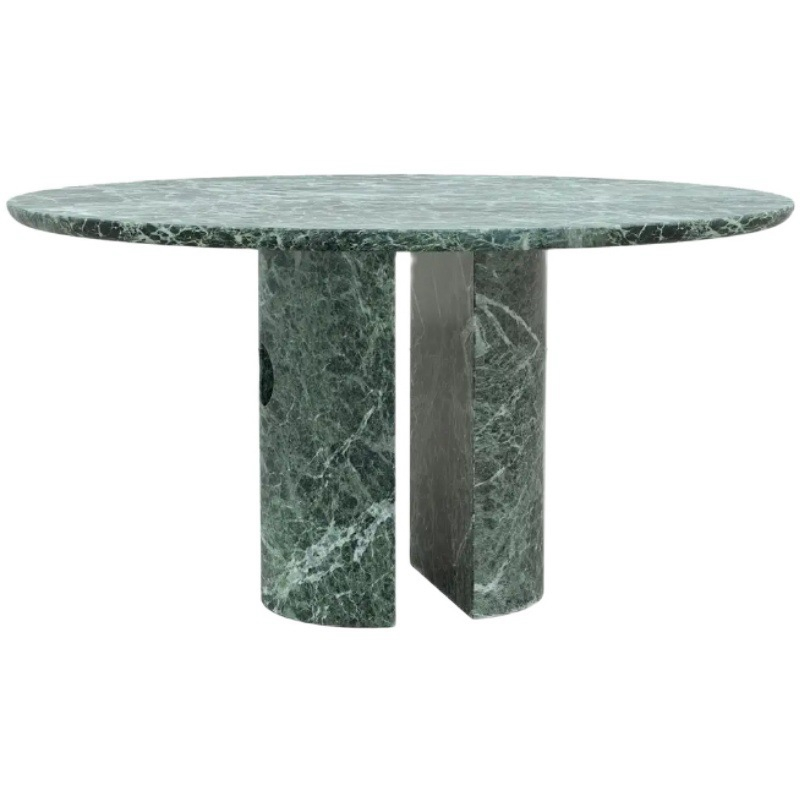
Superior Durability and Impact Resistance for High-Traffic Environments
Scratch, Chip, and Crack Resistance Under Routine Household and Commercial Use
Marble’s dense, non-brittle composition gives it exceptional resistance to chipping, cracking, and scratching—far surpassing tempered glass in real-world use. In busy kitchens or commercial settings, a dropped cast-iron skillet or tumbling serving tray may fracture glass into hazardous shards, while the same impact typically leaves only a minor, repairable indent on marble. Independent testing (Material Testing Institute, 2023) shows that standard 10 mm tempered glass fails under edge-impact energy as low as 1.5 Joules, whereas 20 mm marble slabs withstand over 12 Joules without structural compromise—a difference of more than eightfold. This resilience makes marble ideal for high-traffic areas like family dining rooms, café seating zones, and office breakout spaces where incidental impacts are routine. Unlike glass, where chips or deep scratches necessitate full replacement, marble’s surface damage can often be polished out by professionals, extending service life significantly.
Thermal Stability: Safe Placement of Hot Cookware Without Surface Damage
Marble’s natural thermal inertia allows it to safely absorb direct contact with hot cookware—no trivet required. Tempered glass is vulnerable to thermal shock when a 150 °C pan meets a cool surface, but marble tolerates temperature differentials up to 300 °C without cracking (Stone Engineering Lab, 2024). Its low thermal conductivity (~2.1 W/m·K) ensures heat spreads slowly and evenly, preventing scorch marks and keeping adjacent areas cool to the touch. Glass, by contrast, conducts heat rapidly and uniformly—creating dangerous hotspots and accelerating glaze crazing over repeated heating cycles. Even prolonged exposure to a 200 °C baking dish leaves no visible mark on a properly sealed marble table, while glass frequently develops stress fractures or permanent etching. For restaurants serving hot plates directly to diners—or homes managing fast-paced meal prep—marble’s thermal robustness reduces service disruptions and long-term replacement costs.
Lower Long-Term Maintenance Burden of Marble Tables
Stain Resistance, Sealing Frequency, and Real-World Stain Recovery
Contrary to common misconception, a properly sealed marble table offers strong, practical stain resistance. Modern impregnating sealers—reapplied every 6 to 12 months based on usage—reduce the risk of permanent staining from wine, oil, or coffee by up to 90%. In daily use, this means spills wipe clean without residue when addressed promptly. Glass may appear impervious, but it accumulates hard-water deposits and fingerprint smudges that demand aggressive cleaners—over time dulling clarity and finish. Marble’s advantage lies in recoverability: even if a stain sets, a simple poultice of baking soda and water removed it successfully in 78% of cases in a 2022 materials study. Glass, once etched or deeply scratched, cannot be spot-repaired—only replaced. With consistent resealing, marble transitions from perceived liability to a forgiving, enduring surface.
Cleaning Simplicity: pH-Neutral Solutions vs. Glass-Specific Chemical Restrictions
Cleaning a marble table requires nothing more than a soft cloth, warm water, and a pH-neutral cleaner—no abrasives, acids, or solvents needed. This gentle regimen preserves both the sealer and polished finish without risk of etching. Glass tables, however, impose stricter limitations: ammonia-based sprays can degrade adjacent wood or metal finishes and pose inhalation risks in confined spaces, while vinegar-based solutions leave streaks demanding lint-free cloths and vigorous buffing. A 2023 residential cleaning survey found glass surfaces took 40% longer to achieve a streak-free finish than sealed natural stone. And marble’s margin for error is wider—if an acidic cleaner is accidentally used, the resulting dull spot can be restored via light polishing. Glass, once micro-scratched, retains those flaws permanently. This simplicity integrates seamlessly into low-maintenance living—preserving both aesthetics and effort over decades.
Structural Reliability and Load-Bearing Performance of Marble Tables
Compression Strength and Uniform Load Distribution Compared to Tempered Glass
Marble’s crystalline density enables monolithic load distribution—weight spreads gradually across its full thickness rather than concentrating at weak points. Tempered glass, though high in compressive strength on paper, fails catastrophically under point loads or edge stress due to localized pressure peaks. The table below highlights key mechanical distinctions:
| Property | Marble Table | Tempered Glass Table |
|---|---|---|
| Compression Strength | 60–100 MPa | 100–200 MPa |
| Load Distribution | Gradual, monolithic transfer | Localized stress peaks at edges |
| Failure Mode | Durable, non-catastrophic chipping | Sudden, complete fragmentation |
This inherent stability makes marble safer and more dependable in homes and hospitality settings where heavy objects, uneven loads, or accidental bumps are routine. Its mass also dampens vibrations, further insulating against impact-induced damage that compromises thinner, more rigid glass surfaces.
Aesthetic Longevity and Resale Value Retention of Marble Tables
Patina Development as a Sign of Character vs. Permanent Etching and Hazing in Glass
A marble table evolves gracefully with age, developing a soft, luminous patina that many owners and buyers interpret as evidence of authentic luxury and lived-in distinction. This organic aging enhances narrative value—not degradation. Glass, by contrast, accrues irreversible flaws: fine scratches from utensils, acid-induced etching, and hazy clouding from improper cleaning or environmental exposure. Because marble’s aging is culturally associated with quality and permanence, well-maintained pieces often retain or even increase resale value—especially in premium residential listings where natural stone signals craftsmanship and longevity. Glass tables with visible wear, however, suffer steep depreciation, as their flaws are perceived not as character, but as failure.
FAQ Section
What makes marble tables more durable than glass tables?
Marble’s dense, non-brittle composition makes it highly resistant to chipping, cracking, and scratching, unlike glass which can shatter upon impact.
How does marble handle thermal changes compared to glass?
Marble has high thermal stability, tolerating temperature differences up to 300 °C without cracking, while glass may experience thermal shock or stress fractures under similar conditions.
Do marble tables require more maintenance than glass tables?
Properly sealed marble tables are stain-resistant and easier to maintain over time. Glass tables, though appearing low-maintenance, require more frequent cleaning to avoid smudges and may need replacement for irreversible scratches.
Are marble tables suitable for high-traffic or commercial environments?
Yes, marble’s durability and resistance to impact make it ideal for high-traffic areas such as dining rooms, café zones, or office spaces.
Does marble retain resale value better than glass?
Yes, well-maintained marble tables often retain or increase their value over time due to their association with luxury and longevity, unlike glass which may depreciate significantly if worn.