 EN
EN

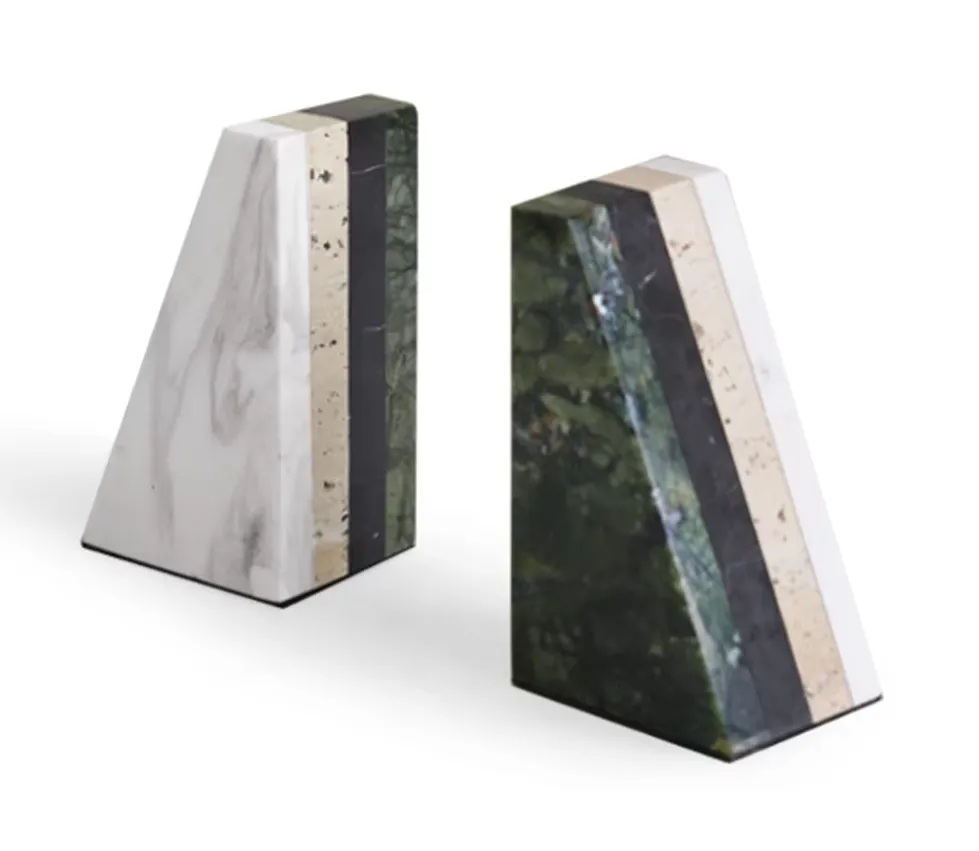
Strategic Marble Sculpture Placement by Room Function
The placement of a marble sculpture within a room determines whether it becomes a captivating focal point or a cluttered afterthought. Matching the sculpture’s scale to the room’s function and traffic flow maximizes its visual weight and aesthetic contribution. The following table provides a quick reference for sizing:
| Sculpture Size | Ideal Placement | Impact on Space |
|---|---|---|
| Small | Shelves, coffee tables | Subtle elegance |
| Medium | Console tables, corners | Noticeable accent |
| Large | Entryways, large rooms | Dramatic statement |
Entryway & Foyer: Leveraging Scale and Symmetry for Instant Impact
The entryway sets the initial tone for the entire home. A large marble sculpture—positioned on a low pedestal or directly on the floor—leverages vertical volume to create an immediate, dramatic statement. Symmetry enhances this effect: flanking a central piece with matching sconces or smaller sculptures on console tables introduces order and welcome. In narrow foyers, a tall, slender abstract form draws the eye upward without obstructing circulation. Marble’s inherent weight and permanence communicate quality and solidity from the first step inside. Avoid crowding; a single, well-chosen sculpture conveys more personality than a collection of smaller items. In double-height spaces, a large-scale figurative or geometric marble sculpture that commands the vertical axis reinforces architectural grandeur.
Living Room: Anchoring the Space Without Competing with Architectural Features
In the living room, a marble sculpture should anchor the seating arrangement without overpowering the fireplace, windows, or built-in shelving. Place a medium-sized piece on a console table behind a sofa or in a corner to create a secondary focal point that complements—not competes with—the primary elements. For open-plan layouts, a large floor-standing marble sculpture can define the living zone, subtly separating it from the dining area while preserving visual connection. Its form should harmonize with the room’s lines: a curvilinear piece softens angular interiors, while a geometric block adds structure to softer schemes. Avoid backlighting from windows, which flattens detail; instead, position it where natural light grazes the surface, revealing the stone’s veining and texture. The goal is quiet anchoring—drawing the eye and grounding the space without visual noise.
Dining Area & Hallways: Guiding Flow and Reinforcing Spatial Rhythm
Hallways and dining areas benefit from marble sculptures that guide movement and reinforce spatial rhythm. In a long corridor, a series of small, identical marble busts or abstract forms on shallow wall-mounted shelves creates a rhythmic progression that leads the eye and encourages exploration. In the dining room, a single medium marble sculpture on a sideboard or console table serves as a refined accent—adding sophistication without disrupting function. It must not obstruct serving areas or sightlines across the table. In transitional spaces, placement signals shifts in purpose: a marble piece at the end of a hallway marks entry to a private zone; one near the dining table suggests conviviality. The cool, tactile nature of marble contrasts elegantly with warm wood dining surfaces, enriching the sensory experience. Thoughtful placement transforms routine circulation into intentional design moments.
Proportion, Scale, and Eye-Level Principles for Marble Sculpture
The Two-Thirds Rule and Ceiling-Height Alignment in Residential Interiors
A marble sculpture achieves harmony when its height follows the two-thirds rule: the piece should occupy roughly two-thirds of the vertical space between the floor and the ceiling. In a room with a 9-foot (2.7 m) ceiling, a 6-foot (1.8 m) sculpture on a low pedestal anchors the wall without crowding it. Smaller pieces work best when the plinth raises the total height to this line. This alignment prevents the sculpture from appearing stranded or overbearing. In double-height spaces, focus on visible mass—not physical height—to fill the visual field. Keep silhouettes clean and bases modest; the marble itself should define the vertical rhythm. Interior design professionals widely apply proportional scaling to maintain spatial balance, per industry best practices.
Optimal Viewing Height (57–60 in): Human-Centered Engagement with Marble Sculpture
The center of a marble sculpture’s focal point—often the face, hands, or key gesture—lands most effectively between 57 and 60 inches (145–152 cm) from the floor. This range aligns with average human eye level, enabling immediate, personal engagement. A bust placed so the subject’s eyes meet the viewer’s builds quiet authority; a full figure with its gesture just above eye level feels aspirational. Pedestal adjustments are essential: a 20-inch base elevates a 40-inch carving into the ideal zone. Proper sightline placement transforms a marble sculpture from a distant object into a silent, grounded presence in the room.
Establishing Visual Hierarchy Using Marble Sculpture as a Focal Point
Isolation vs. Grouping: When Single Marble Sculpture Commands Attention
A solitary marble sculpture—strategically isolated—becomes an undeniable focal point, establishing clear visual hierarchy. Grouping multiple pieces risks diluting impact unless rigorously curated. A single figure placed at eye level (57–60 inches) commands attention without competition, especially in spaces lacking strong architectural features. For example, positioning a lone abstract marble sculpture opposite the main entrance creates instant interest and sets the aesthetic tone. Overcrowding with companion pieces clutters the visual field and undermines hierarchy. For maximum impact, let one well-proportioned, thoughtfully placed marble sculpture stand alone as the room’s primary anchor.
Harmonizing Marble Sculpture with Interior Design Style and Architecture
Seamless integration hinges on aligning the marble sculpture’s stylistic language with the room’s existing design vocabulary. In neoclassical or traditional interiors, a mythological figure or detailed bust reinforces history and refinement—echoing crown molding, symmetry, and rich wood finishes. In modern or minimalist settings, an abstract marble sculpture with clean, geometric lines adds sculptural counterpoint without visual clutter. While marble’s natural white tones adapt easily to diverse palettes, its true power lies in the dialogue between era and architecture: a softly draped classical figure can humanize a stark contemporary gallery wall, while a brutalist, chiseled block can introduce deliberate tension into a room filled with ornate antiques—creating a curated contrast that elevates the entire space.
FAQs About Marble Sculpture Placement
Where should large marble sculptures be placed?
Large marble sculptures are best placed in entryways, double-height spaces, or large rooms. They should anchor the room visually without obstructing foot traffic.
How can marble sculptures be integrated into modern interiors?
For modern interiors, opt for clean, geometric marble sculptures. These pieces can create contrast and complement minimalist designs without adding clutter.
What is the optimal height for viewing a marble sculpture?
Marble sculptures should have their focal point positioned between 57–60 inches from the floor, aligning with average eye level for personal engagement.
Can multiple marble sculptures be grouped together effectively?
Yes, but only when rigorously curated to avoid visual clutter. Grouping should emphasize rhythm and balance while preserving individual impact.
What materials complement marble in interior design?
Warm woods, soft textiles, and neutral palettes complement marble well, enhancing both tactile and visual contrast.