 EN
EN

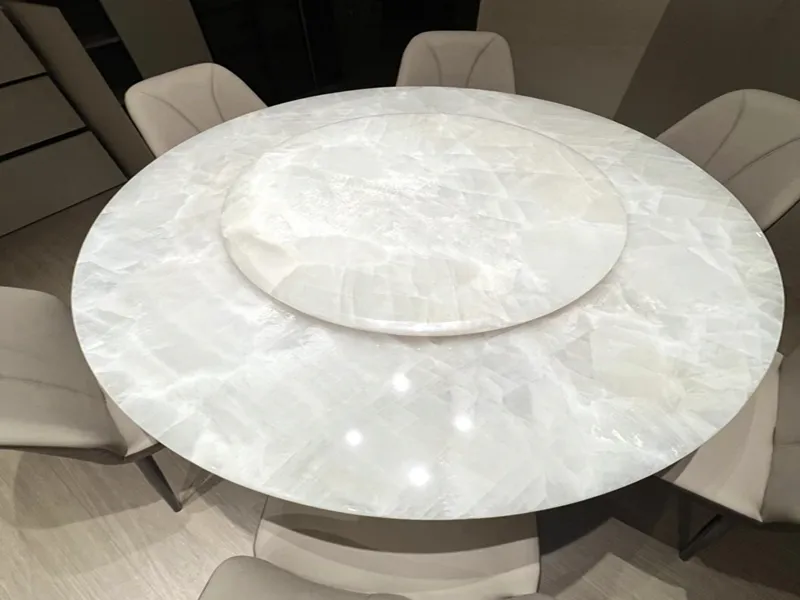
Why White Marble Loses Its Luster: Etching, Staining, and Oxidation
White marble’s timeless elegance can fade when its surface chemistry is disrupted. Two primary mechanisms—acidic etching and iron oxidation—are responsible for the dullness and discoloration that gradually rob the stone of its gleam. Understanding these processes is the first step toward preservation.
Etching from Acidic Substances: The Chemistry Behind Dull Spots on White Marble
Marble is primarily calcium carbonate, which reacts instantly with acids. When lemon juice, vinegar, wine, or even low-pH cleaning products touch the stone, they dissolve the surface layer, leaving micro-corrosion pits. These dull, slightly rough spots are not stains but physical erosion—they alter the polish and scatter light instead of reflecting it. Even a few seconds of exposure can etch the finish, and because the damage is literal loss of material, no amount of wiping will restore the original shine. The resulting dull marks often appear as rings or cloudy patches, especially noticeable on polished surfaces. Sealing alone cannot prevent etching; only rapid cleanup and avoiding acidic contact will protect the surface from this permanent chemical scarring.
Oxidation and Yellowing: How Iron Content and Environmental Exposure Discolor White Marble
Many white marbles contain trace iron minerals—such as pyrite or siderite—embedded in the stone. When moisture penetrates the pores—from high humidity, leaks, or improper cleaning—these iron compounds oxidize into yellowish or brownish ferric oxides. This process mimics rust and can cause widespread yellowing, especially in bathrooms or kitchens where water exposure is constant. Airborne pollutants or alkaline cleaners may accelerate the reaction. The discoloration often appears as a uniform tint rather than isolated spots, deepening over time if the stone remains damp. Unlike etching, oxidation is a chemical change within the rock that can sometimes be reversed with poultice treatments—but prevention is far more reliable: keeping the marble dry and well-ventilated halts the slow, oxidizing fade.
Daily and Weekly Care Routines for Lasting White Marble Shine
Proper Daily Cleaning: pH-Neutral Solutions and Microfiber Techniques for White Marble
Begin each day by removing loose dust and grit with a dry, soft-bristle broom or microfiber dust mop—these particles act like sandpaper and cause micro-scratches that dull the surface. For deeper cleaning, use a few drops of a pH-neutral cleaner labeled for natural stone mixed into warm water. Submerge a clean microfiber cloth, wring until barely damp, and gently wipe in overlapping strokes. Excess water can penetrate pores, so never let the surface stay wet. Immediately dry the area with a separate, dry microfiber cloth to prevent streaks and water spots. For spills—especially acidic ones like wine or citrus—follow the five-minute rule: blot (don’t wipe) with a white cloth, rinse lightly with a damp cloth, then dry thoroughly. This non-abrasive routine preserves luster and delays restoration needs.
What Not to Use: Harsh Cleaners, Vinegar, Lemon, and Bleach That Permanently Damage White Marble
Vinegar, lemon juice, and any product containing citric acid will chemically etch marble’s calcium carbonate surface, leaving irreversible dull, rough spots. Bleach and ammonia-based sprays can strip sealers and trigger yellowing, particularly on white backgrounds. Abrasive powders, scouring pads, and even “soft” scrub creams create fine scratches that trap dirt and accelerate dullness. Many “natural” cleaners fall below pH 7 and are unsafe for marble. Instead, choose only pH-neutral, stone-safe formulas. If disinfection is needed, a diluted isopropyl alcohol solution (70% alcohol, 30% water) may be used sparingly—but never allow it to sit. A simple rule applies: if a product would sting a cut, it will damage your marble. Always read labels and test new products on a hidden area first.
Immediate Response to Spills, Stains, and Etches on White Marble
The 5-Minute Rule: Blotting, Neutralizing, and Assessing Surface Integrity
Act immediately when a spill occurs—marble absorbs liquids rapidly through microscopic pores. Gently blot (never wipe) with a clean, dry microfiber cloth to lift the liquid without pushing it deeper. For acidic residues—like wine, coffee, or citrus—lightly mist the spot with a pH-neutral stone cleaner and blot again. Once dry, assess the surface under good lighting and by touch: a rough or chalky feel signals etching; a darkened patch indicates a stain. This swift, three-step response within five minutes can prevent permanent damage.
DIY vs. Professional Restoration: When to Act Fast—and When to Call Experts for White Marble
Fresh stains often respond well to a homemade poultice: baking soda mixed with water (for organic stains) or acetone (for oil-based ones). Apply the paste, cover with plastic wrap, and wait 24 hours before rinsing. Minor etching from brief acidic contact may be improved with marble polishing powder and a soft cloth—but success depends on technique and patience. Deep etches, widespread dullness, or stains that have penetrated beyond the surface require professional restoration. Experts use industrial-grade honing and polishing compounds to refinish without excessive material removal. If a DIY attempt fails after one try, stop immediately: repeated amateur efforts risk worsening the damage and escalating repair costs.
Sealing White Marble: Timing, Technique, and Long-Term Protection Strategy
Choosing the Right Impregnating Sealer for White Marble: Penetration Depth vs. Breathability
An effective sealer must penetrate deeply into marble’s pores while allowing the stone to breathe. Impregnating (penetrating) sealers line pores below the surface without forming a film—blocking oils and water-based liquids while permitting water vapor to escape and preventing internal moisture buildup. Always test a sealer on a hidden area first to confirm it doesn’t alter color. Choose a product explicitly labeled for marble and natural stone. Apply in thin, even coats using a soft cloth or lambswool applicator, then wipe off excess before drying to ensure consistent absorption and protection.
How Often to Reseal White Marble—Testing Porosity and Adapting to Traffic and Environment
Resealing frequency depends on actual performance—not a calendar. Test porosity by dropping water onto the surface: if it beads up, the seal is intact; if it darkens the stone within minutes, resealing is needed. High-traffic areas like kitchen countertops or entryways typically require resealing every 6–12 months. Low-traffic vertical surfaces—such as backsplashes—may go longer. Environmental factors matter too: high humidity or frequent acidic exposure accelerates seal degradation. After thorough cleaning and 24 hours of drying, reapply the penetrating sealer and allow 24–48 hours of curing before use. Adapting your routine to real-world conditions sustains both luster and stain resistance.
FAQ
Why does white marble lose shine over time?
White marble’s shine fades due to acidic etching, iron oxidation, and physical scratches that disrupt its surface chemistry.
How can I prevent acidic etching on white marble?
Avoid exposing marble to acids like vinegar, wine, lemon, and low-pH cleaners, and clean spills immediately to minimize damage.
What causes yellowing or staining in white marble?
Trace iron minerals in marble oxidize when exposed to moisture, turning yellow or brown. Proper sealing and keeping marble dry prevent this.
Should white marble be resealed, and how often?
Resealing depends on its porosity and traffic levels. Use a water beading test to determine if resealing is needed, generally every 6–12 months.
Can scratches and dull spots on white marble be restored?
Minor scratches can often be treated with polishing powder, but deep etches or stains may require professional restoration.