 EN

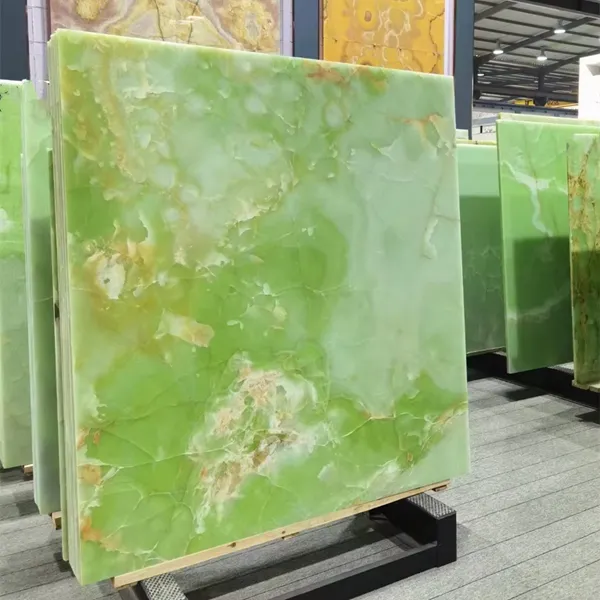
Assessing Your Stone Supplier’s Customization Expertise
Precision Capabilities: CNC Machining, Custom Cuts, and Multi-Level Island Fabrication
A stone supplier’s true value in custom projects lies in its precision engineering infrastructure—not just its material catalog. Advanced fabrication technology can reduce material waste by up to 15%, a critical advantage given that mismeasurement errors in custom stonework average over $5,000 in remediation costs per incident (Natural Stone Institute, 2023). Verify that the supplier operates multi-axis CNC (Computer Numerical Control) machining centers capable of executing complex geometries—non-negotiable for tasks like multi-level kitchen island fabrication, which demands perfectly mitered edges and seamless waterfall joints.
Proficient fabricators pair CNC systems with digital templating to capture site dimensions to the millimeter and translate them directly into cut paths. This integrated digital-physical workflow ensures repeatable accuracy for intricate inlays, precise sink openings, and architectural panels—eliminating fitment issues that commonly derail high-stakes installations. Workshops investing in this integrated approach see measurable reductions in callbacks, as confirmed by the 2024 State of Stone Fabrication report.
Artisanal Finishing: How Hand Craftsmanship Enhances Unique Aesthetic Outcomes
While CNC technology delivers dimensional precision, hand craftsmanship provides the expressive nuance that transforms functional stone into distinctive design. The most compelling custom work emerges when digital accuracy is elevated by artisanal mastery—particularly for specialty finishes that machines cannot authentically replicate:
- Leathering: A hand-brushed process that closes pores and creates a textured, slip-resistant surface with subtle sheen—distinct from machine-applied alternatives.
- Chiseled Edges: Rock-faced or split-face finishes applied manually to evoke natural ruggedness, contrasting sharply with uniform sawn cuts.
- Hand-Applied Patinas: Carefully controlled use of abrasives and acids to develop rich, aged color variations—yielding truly one-of-a-kind results.
These techniques rely on deliberate, light-catching irregularities—the hallmark of skilled handwork. When evaluating suppliers, request physical samples showcasing these finishes to assess the depth and consistency of their artisans’ expertise. That tangible evidence signals whether your project will rise above standard installation to become a signature element.
Understanding the End-to-End Stone Fabrication Workflow
Slab Selection, Digital Nesting, and Precision Slab Mapping for Minimal Waste
The journey from raw block to finished piece begins with informed slab selection. A knowledgeable supplier guides you through veining patterns, color consistency, and structural integrity—not just aesthetics—to ensure alignment with both design intent and performance requirements.
Once slabs are chosen, digital templating converts physical measurements into CAD files, enabling strategic digital nesting: an algorithm-driven layout process that optimizes component placement across each slab. Precision slab mapping then overlays this plan onto the stone surface using CNC-guided marking, respecting natural grain flow while identifying optimal extraction zones. This integrated workflow minimizes waste and enables intelligent reuse of offcuts—for window sills, cutting boards, or decorative accents. The result is a streamlined, resource-conscious process where technical rigor and material intelligence converge to deliver tailored excellence.
Choosing a Reliable Stone Supplier for Custom Projects
Evaluating Proven Experience, Portfolio Quality, and Integrated Support Services
For custom stone projects, your supplier’s expertise is as vital as the stone itself. Natural stone behaves uniquely—veining affects structural continuity; density impacts polish retention; thermal expansion influences joint design. A seasoned partner understands these variables and anticipates challenges before they arise.
Assessing portfolio quality remains the most reliable indicator of capability. Look for high-resolution documentation of completed residential and commercial projects—not just variety in scale, but consistency in complexity: curved countertops, tight-radius miters, integrated sinks, or multi-material transitions. Key markers of reliability include:
- Verified project references (with client permission), not just stylized renderings;
- In-house design consultation, templating, and installation coordination—reducing handoff risk;
- Demonstrated use of advanced tooling (CNC, waterjet) for demanding customizations;
- Third-party testimonials highlighting responsiveness, problem-solving, and adherence to timeline.
A consultative supplier functions as a true project partner—providing value-engineering insights to optimize material yield and mitigate rework risk—transforming vision into reality with confidence.
Verifying Ethical Material Sourcing, Certifications, and Traceability
Ethical sourcing is no longer optional—it’s foundational to project integrity and brand reputation. Certifications from the Natural Stone Institute (NSI) or Marble Institute of America (MIA) validate adherence to responsible quarrying, fair labor practices, and environmental stewardship. But certifications alone aren’t sufficient. Demand full traceability: clear documentation of origin (quarry name, country), processing facility, and transportation chain—ensuring zero exposure to conflict materials or exploitative labor.
Also evaluate onsite sustainability practices: closed-loop water recirculation, stone dust capture systems, and documented recycling of fabrication waste. These operational details reflect genuine commitment—not just compliance. Choosing a transparent, certified supplier strengthens your project’s narrative and meets the rigorous ESG expectations of today’s discerning clients and specifiers.
Finalizing Your Custom Stone Order: Templating to Installation
Accurate Templating, Edge Profiling Options, Polishing Standards, and Seamless Installation Coordination
A flawless custom stone installation hinges on continuity—from initial measurement through final sealant application. Start with accurate digital templating: laser-scanned or 3D-measured data feeds directly into fabrication software, eliminating guesswork and preventing costly field corrections.
Edge profiling options—beveled, bullnose, ogee, or waterfall—require expert execution to maintain structural integrity and visual cohesion. Each profile must be calibrated to the stone’s hardness and grain orientation. Likewise, polishing standards shape both aesthetics and performance:
- High-gloss maximizes color depth and stain resistance—ideal for high-traffic kitchens;
- Honed offers a soft, matte finish prized for its understated elegance;
- Leathered, though often hand-finished, achieves a durable, low-sheen texture with inherent slip resistance.
Installation coordination completes the chain: laser-level alignment ensures near-invisible seams; protective protocols safeguard your space; and a final, substrate-appropriate sealant application locks in long-term durability. This end-to-end integration isn’t convenience—it’s the disciplined execution that turns custom ambition into enduring reality.
FAQ
Why is precision engineering so important for custom stone projects?
Precision engineering reduces material waste, eliminates fitment issues, and ensures consistent accuracy for intricate designs, preventing costly errors and remediation.
What should I look for in a supplier's artisanal stone finishes?
Request physical samples to assess consistency and depth of finishes like leathering, chiseled edges, and hand-applied patinas, which highlight the supplier's craftsmanship skills.
How can slab selection impact my project?
Slab selection ensures alignment with design intent, structural integrity, and performance needs, optimizing aesthetics and minimizing waste during fabrication.
Why is ethical sourcing essential for stone suppliers?
Ethical sourcing reflects commitment to responsible practices, ensuring traceability, fair labor, and environmental sustainability, which are critical for modern projects.
What ensures a flawless stone installation?
Accurate digital templating, expert edge profiling, high polishing standards, and thorough installation coordination are key to achieving a seamless, durable outcome.