 EN
EN

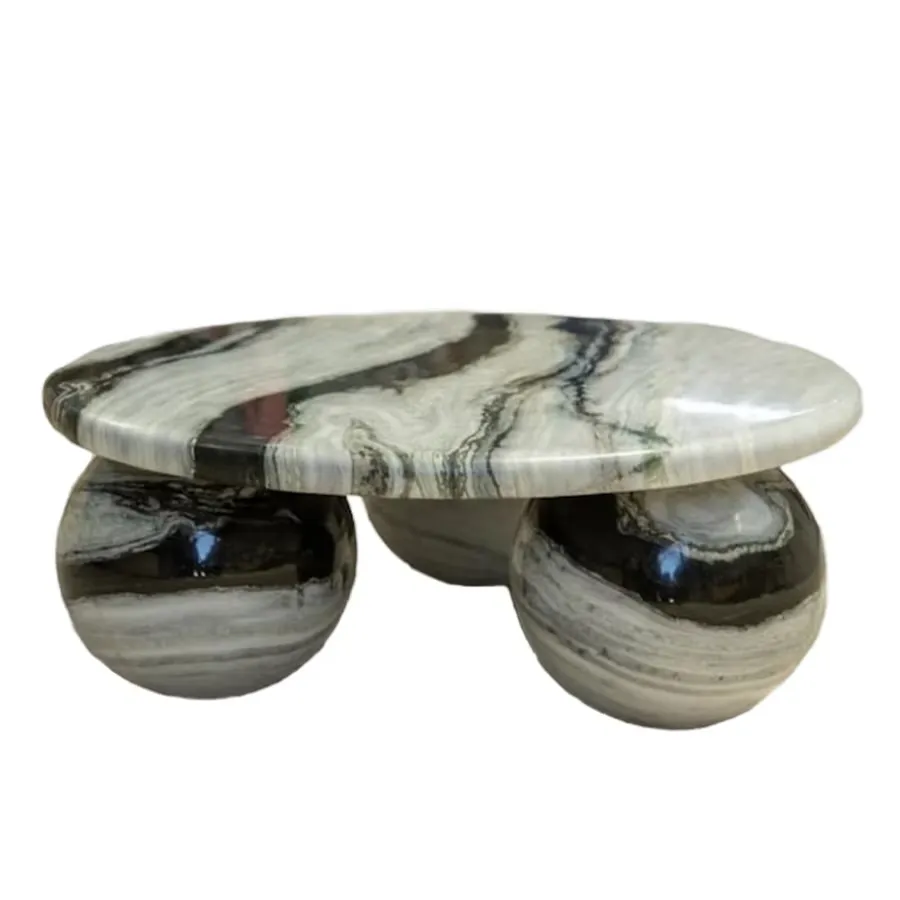
Identify the Stain Type on Your Marble Fireplace
Distinguishing Oil-Based, Organic, and Metal Stains
Stains on a marble fireplace reveal themselves through distinct colors and patterns. Oil-based substances—such as cooking grease, hand lotion, or butter—leave light brown or yellowish marks that spread softly into the stone’s pores. As noted by Boston Stone Restoration, oil darkens marble as it sinks below the surface, creating a growing shadow. Organic stains from coffee, tea, or wine appear as brown to dark brown rings; food or plant residue may develop pinkish or greenish tints. Metal stains—especially rust from nails, iron tools, or metal décor—typically show up as copper-colored or orange-brown spots. Water stains from condensation or spills often look like light rings or cloudy films but rarely penetrate deeply unless combined with minerals.
Correct identification avoids guesswork and sets the stage for effective treatment. You can confirm an oil stain by its greasy feel and tendency to darken with heat; rust spots often leave a metallic residue near the surface.
Why Correct Identification Prevents Etching and Discoloration
Marble etching and staining are frequently confused—but they demand fundamentally different solutions. Etching is a chemical reaction caused by acidic substances (e.g., wine, citrus, vinegar), which dull the polish and create a rough, lighter mark without altering color. Staining, in contrast, changes the color while preserving surface smoothness. Misdiagnosing an etch as a stain leads to aggressive scrubbing or inappropriate cleaners—spreading damage or causing permanent discoloration. For example, applying an acid-based cleaner to a rust stain won’t remove it and risks deepening etching.
A 2023 study by the Marble Institute found that 40% of failed stain removals resulted from misidentification. On a marble fireplace—where heat accelerates chemical reactions—using an organic-stain poultice on an oil-based stain, or vice versa, can deepen discoloration and produce cloudy etching. Matching the remedy to the stain type preserves both appearance and integrity.
Remove Stubborn Stains Using a Safe Poultice Method for Marble Fireplace Surfaces
A poultice gently draws deep-set stains from marble’s pores without abrasive scrubbing—making it ideal for delicate fireplace surrounds. The baking soda–hydrogen peroxide method delivers effective, non-damaging results when applied correctly.
Baking Soda and Hydrogen Peroxide Poultice: Step-by-Step Application
Mix baking soda with 6% hydrogen peroxide in a clean bowl, adding the liquid gradually until the paste reaches a peanut butter–like consistency that holds its shape. Before application, clean the stained area with a pH-neutral cleaner and a soft cloth, then lightly dampen the surface with distilled water to enhance poultice adhesion and penetration.
Spread the paste over the stain, extending about one inch beyond its visible edges, and build a layer one-quarter to one-half inch thick. Press gently to eliminate air pockets and ensure full contact. For organic stains—like soot or wine—the hydrogen peroxide offers mild bleaching action; for oil-based stains, substitute mineral spirits in equal proportion while retaining the baking soda base. If multiple stains appear, treat each separately rather than covering large areas—this minimizes unnecessary moisture exposure and reduces etching risk.
Timing, Covering, and Gentle Removal to Preserve Marble Integrity
Cover the poultice completely with plastic wrap and seal the edges with painter’s tape to slow drying and maximize stain extraction. Leave it in place for 24–48 hours; for stubborn fireplace stains, extend up to 72 hours—checking periodically that the plastic remains taut.
Once complete, carefully remove the tape and plastic, then lift the dried poultice with a plastic or wooden spatula (never metal, to avoid scratching). Wipe away residual paste with a damp microfiber cloth and dry the area immediately. If a faint shadow persists, repeat with a fresh batch. Note that the poultice may remove existing sealer along with the stain—so reapply a heat-resistant sealant once the marble is fully dry to restore long-term protection.
Protect Your Marble Fireplace from Future Stains
A proactive sealing routine is essential to preserve your marble fireplace’s appearance and performance. Without protection, soot, spills, and thermal stress gradually degrade the stone.
Heat-Resistant Sealing Strategies for Marble Fireplace Surrounds
Choose a penetrating sealer specifically formulated to withstand high temperatures. Reapply every 12 months—or more frequently with heavy use—to maintain an effective barrier. Always test the sealer on a concealed area first to verify compatibility. Prior to application, clean the surround thoroughly with a pH-neutral cleaner and allow it to dry completely. Then, apply the sealer evenly, let it absorb fully, and wipe away any excess. This simple, annual habit prevents oil-based soot absorption and heat-driven discoloration—keeping your marble looking elegant and intact for years.
FAQ
How can I distinguish between etching and staining on marble?
Etching results from acidic substances dulling the marble's polish, leaving a rough, lighter mark without changing the color. Staining changes the color while leaving the surface smooth.
What is the best method to remove an oil-based stain from a marble fireplace?
Using a poultice made from baking soda and mineral spirits gently draws out oil-based stains without damaging the marble.
How long should I leave a poultice in place to remove a stubborn stain?
You should leave the poultice for 24–48 hours, but for stubborn stains, you can extend its duration to 72 hours while ensuring the plastic covering remains intact.
Do I need to reapply a sealer after stain removal?
Yes, removing a stain may strip the existing sealer, so reapply a heat-resistant sealant once the marble is dry to protect it long-term.
How often should I reapply a sealer to my marble fireplace?
Reapply a heat-resistant sealer every 12 months or more frequently with heavy use to maintain effective protection.
Table of Contents
- Identify the Stain Type on Your Marble Fireplace
- Remove Stubborn Stains Using a Safe Poultice Method for Marble Fireplace Surfaces
- Protect Your Marble Fireplace from Future Stains
-
FAQ
- How can I distinguish between etching and staining on marble?
- What is the best method to remove an oil-based stain from a marble fireplace?
- How long should I leave a poultice in place to remove a stubborn stain?
- Do I need to reapply a sealer after stain removal?
- How often should I reapply a sealer to my marble fireplace?