 EN

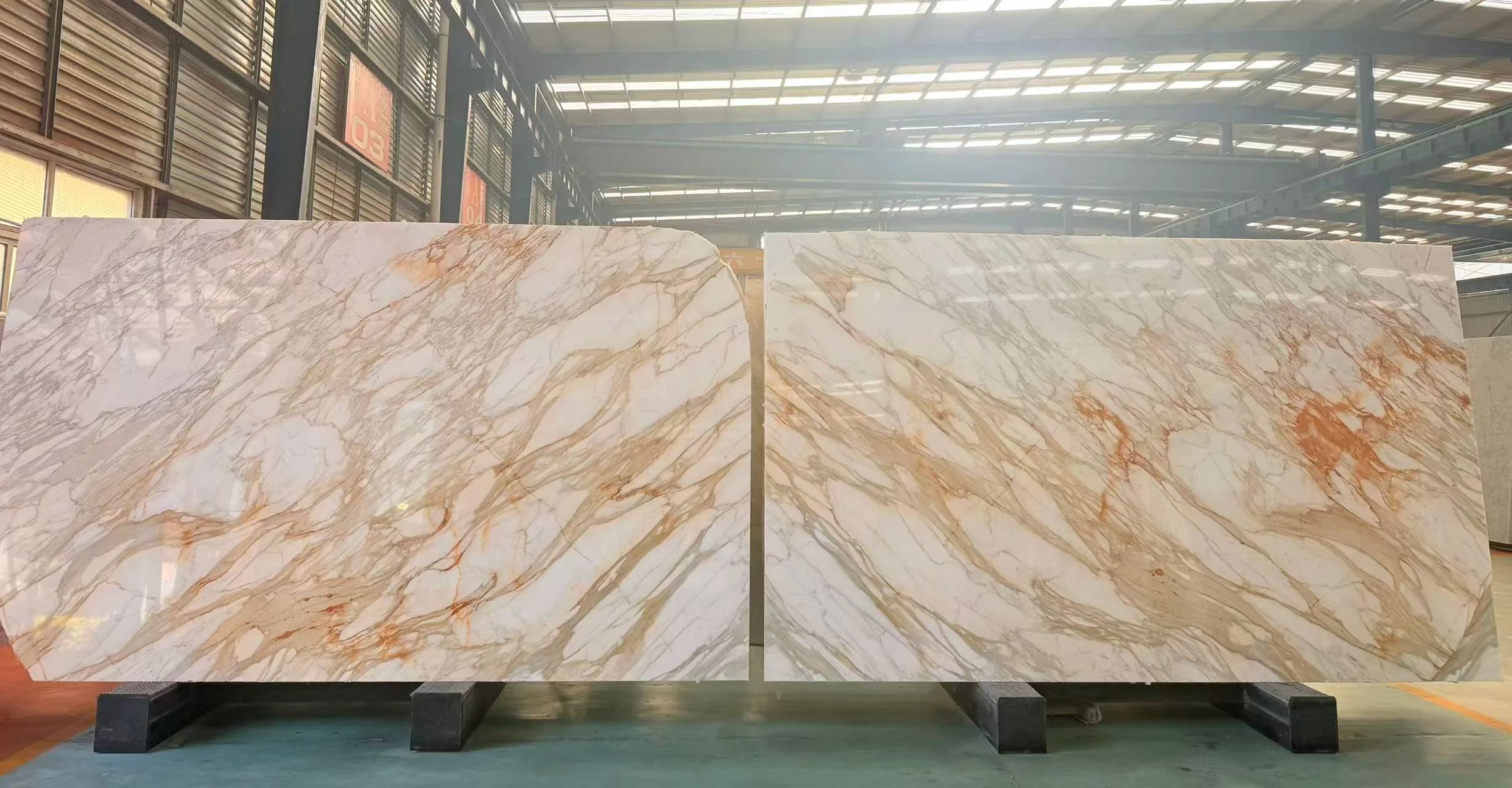
Why Mildew Thrives Around Stone Bathtubs
Natural stone bathtubs are a statement of luxury, but their very composition creates a welcoming environment for mildew. The issue isn’t poor hygiene—it’s the interplay of material science and bathroom physics that makes these elegant fixtures prone to fungal growth. Understanding these root causes is the first and most critical step in effective, stone-safe remediation.
Porous stone surfaces and grout-caulk junctions as ideal mildew habitats
Mildew spores need three things to germinate: organic matter, a surface to anchor to, and consistent moisture. Stone bathtubs—commonly made from marble, travertine, or limestone—provide the first two inherently. Their natural porosity, which contributes to their aesthetic appeal, also creates microscopic crevices that trap soapy water, dead skin cells, and body oils—supplying steady nutrients for mildew. This problem intensifies at junctions where materials meet. Grout lines between stone tiles and the caulk bead sealing the tub’s edge are especially vulnerable: cement-based grout wicks moisture like a sponge, while aging caulk develops micro-cracks that shelter spores and retain water. Together, these surfaces form an uninterrupted, high-risk habitat.
| Habitat Feature | Why It Attracts Mildew |
|---|---|
| Porous Stone | Microscopic pores trap organic nutrients (soap, oils) and water. |
| Grout Lines | Cementitious material absorbs and holds moisture behind a rough surface. |
| Caulk Junctions | Cracks and gaps in flexible seals shelter spores and retain water. |
The role of humidity, poor ventilation, and residual moisture in persistent mildew recurrence
Even with diligent cleaning, mildew recurrence is often driven by ambient conditions. After a hot bath, relative humidity in an enclosed bathroom can exceed 90%, depositing a microfilm of condensation across all surfaces—including stone walls and ceilings. Without effective ventilation to replace this moisture-laden air, the room remains saturated. ASHRAE Standard 62.2 recommends a minimum exhaust rate of 50 CFM for intermittent fan use to mitigate this risk. Equally problematic is residual moisture—the invisible water lingering on the tub deck, within textured stone flooring, or behind soap dishes. Because it doesn’t drain freely, this stagnant liquid can take hours to evaporate, sustaining hydration long enough for mildew colonies to rebound from microscopic remnants—even after surfaces appear dry.
Stone-Safe Mildew Removal Methods for Stone Bathtubs
Avoiding etching: why bleach and acidic cleaners damage natural stone bathtubs
Many common mildew treatments cause irreversible damage to natural stone. Bleach—highly alkaline (pH 12–13)—reacts with calcium carbonate in marble, limestone, and travertine, creating microscopic pits known as etching. A 2022 study by the Marble Institute of America confirmed that repeated exposure to alkaline cleaners can dull polish and degrade surface sealers within months. Acidic cleaners like vinegar or lemon juice (pH 2–3) dissolve stone minerals on contact, leaving rough, disfigured patches that cannot be restored without professional resurfacing—costing $400–$1,200 per tub, according to 2023 industry data. Even “mild” acidic formulas soften grout and caulk, generating new hiding places for mildew. To protect your investment, never apply any cleaner with a pH below 7 or above 10 to natural stone—and always verify labeling for “stone-safe” designation before use.
pH-neutral, stone-approved cleaners that eliminate mildew without compromising surface integrity
A pH-neutral cleaner (pH 6.5–7.5) effectively breaks down soap scum and mildew residue while preserving the stone’s calcium carbonate structure. For routine maintenance, mix 2–3 drops of mild, pH-neutral dish soap per liter of warm water, apply with a microfiber cloth, and rinse thoroughly. When mildew buildup appears, opt for non-acidic, non-alkaline formulations specifically designed for natural stone—often labeled “stone-safe mildew remover.” These rely on oxygen-based action or gentle surfactants to disrupt biofilm without etching. Avoid products containing citric acid, phosphoric acid, or sodium hypochlorite. Immediate drying after cleaning is essential: residual moisture on porous stone can support new mildew growth within 24–48 hours. Use a soft-bristle nylon brush for grout lines, and never abrasive pads. High-quality pH-neutral systems preserve factory sealants and leave no streaks or film—supporting both aesthetics and longevity.
Precision Cleaning of High-Risk Areas Around Stone Bathtubs
Gentle grout and caulk treatment using soft-bristle tools and low-abrasion techniques
Grout lines and caulk seals are among the earliest sites of visible mildew due to their tendency to trap moisture and harbor biofilm. Soft-bristle nylon brushes clean these areas effectively without abrading adjacent stone or dislodging grout. Always pair them with a pH-neutral, stone-safe cleaner—never bleach or acids, which weaken caulk and etch stone. Apply using light circular motions, then immediately wipe with a microfiber cloth to lift loosened residue. For stubborn spots, repeat the application rather than increasing pressure, which risks damaging grout integrity or scratching polished surfaces. Consistent low-abrasion technique preserves both seal performance and visual finish.
Targeted corner and seam cleaning to disrupt biofilm without scratching stone bathtubs
Corner seams and stone-to-wall junctions create micro-environments where airflow is minimal and moisture lingers—ideal for biofilm formation. Access tight angles using a microfiber-wrapped fingertip or soft detail brush. Apply a pH-neutral cleaner and allow it to dwell for 2–3 minutes to loosen the biofilm matrix. Then gently wipe along the seam—not back-and-forth—to minimize abrasion risk. Rinse and dry immediately. For persistent residue, a bamboo skewer wrapped in microfiber offers precise mechanical removal without metal contact. Steel wool, scouring pads, or other abrasive tools must be avoided entirely, as they cause irreparable scratches and compromise long-term protection.
Long-Term Mildew Prevention for Stone Bathtubs
Daily drying routines and ASHRAE-aligned ventilation strategies
Wipe the entire stone bathtub surface—including surrounding walls, grout lines, caulk joints, and corners—with a squeegee or dry microfiber cloth after every use. This simple habit removes standing moisture before it migrates into pores or collects in crevices. According to ASHRAE Standard 62.2-2022, bathroom exhaust fans should deliver at least 50 CFM intermittently—or 20 CFM continuously—to control humidity. Run the fan for a minimum of 20 minutes post-bath and keep the door open to encourage cross-ventilation. A hygrometer helps maintain indoor relative humidity below 60%, the EPA-identified threshold above which mildew spores readily germinate. In poorly ventilated spaces, adding a portable dehumidifier further reduces the risk of persistent, mildew-friendly conditions.
Sealing porous stone bathtubs: frequency, product selection, and performance verification
Sealing fills microscopic pores to impede moisture absorption—the primary vector for mildew establishment. Choose a penetrating, breathable sealer formulated for natural stone, such as a silane/siloxane water repellent. Most manufacturers recommend resealing every 1–3 years, but actual frequency depends on usage and stone porosity. Confirm seal integrity with the water-drop test: if water beads and remains intact for several minutes, the seal is effective; if it darkens or soaks in within 5–10 seconds, resealing is needed. Always apply sealer to a thoroughly cleaned and completely dry surface, following label instructions precisely. After application, verify performance by repeating the water-bead test in multiple locations. Proper sealing can reduce mildew growth by up to 80%, per the Marble Institute of America’s 2022 findings—and ensures your stone bathtub retains both beauty and resilience for decades.
FAQ
Why is mildew common around stone bathtubs?
Mildew thrives in stone bathtubs because of their porous surfaces, which trap moisture and organic residue. Poor ventilation and high humidity levels also contribute to persistent mildew growth.
How can I clean mildew from a stone bathtub without causing damage?
Always use pH-neutral, stone-safe cleaners specifically designed for natural stone. Avoid acidic or highly alkaline products like vinegar or bleach, which can etch and discolor the material.
What are the best methods for preventing mildew on stone surfaces?
Regularly dry the bathtub and surrounding areas after each use with a microfiber cloth or squeegee. Ensure the bathroom is well-ventilated, and consider sealing the stone every 1–3 years to reduce porosity.
How do I know if it’s time to reseal my stone bathtub?
Perform a water-drop test. If water beads and stays intact, the seal is effective. If it absorbs into the stone within 5–10 seconds, it’s time to reseal.
What tools should I use to clean grout and caulk areas safely?
Use soft-bristle nylon brushes and microfiber cloths to clean grout and caulk. Avoid abrasive pads or tools that can scratch or damage the surfaces.