 EN
EN

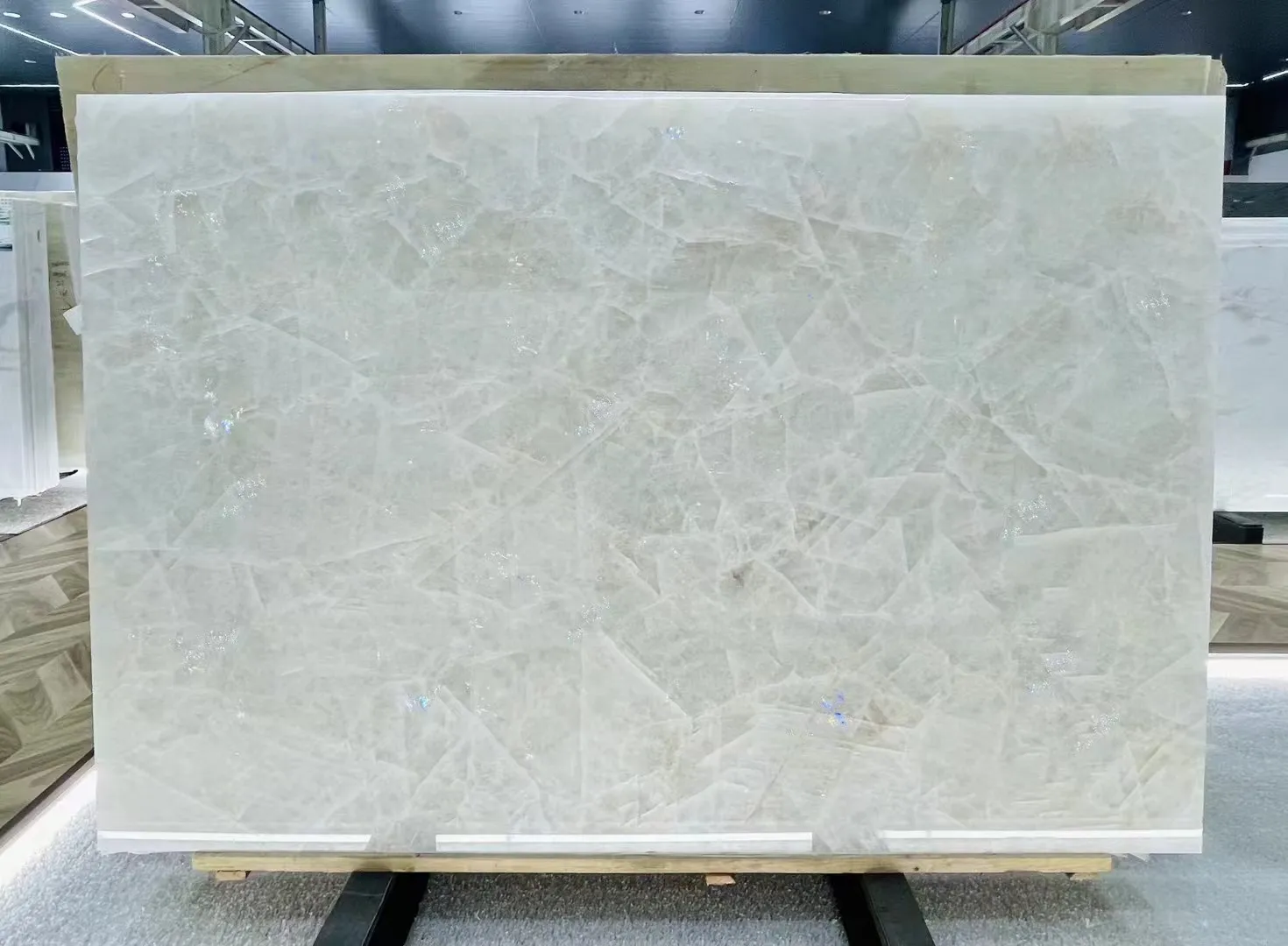
Understanding the Porous Nature of Natural Stone
When incorporating exquisite white marble into high-end residential kitchens, luxury hotel bathrooms, or bustling commercial reception desks, maintaining its pristine aesthetic is a top priority for property owners and facility managers. To effectively prevent staining, one must first comprehend the geological composition of the material. Unlike man-made quartz or porcelain composites, genuine white marble is a metamorphic rock primarily composed of a calcium carbonate crystal matrix. This crystalline structure possesses microscopic natural pores that remain open at the surface. When liquids such as red wine, coffee, citrus juices, or cooking oils come into contact with an unprotected surface, capillary action can draw these staining substances deep into the microscopic channels. Recognizing this inherent porosity is the foundational first step toward establishing a successful, long-term stone preservation and maintenance strategy that protects both residential and commercial investments.
Selecting the Right Impregnating Sealers and Surface Finishes
A common misconception among interior designers and homeowners is that applying a chemical sealant makes white marble entirely impervious to all environmental damage. In professional stone care practice, high-quality impregnating sealers act as a deep-penetrating defense shield rather than a superficial plastic film barrier. These specialized chemical treatments line the microscopic pores beneath the stone surface, repelling oils and water-based liquids while allowing the material to maintain its natural breathability and tactile warmth. Furthermore, selecting the appropriate surface finish plays a crucial role in daily vulnerability. While a high-gloss polished finish accentuates the dramatic, sweeping veining of premium white marble, a honed matte finish is frequently recommended for heavy-use kitchen countertops because it naturally disguises minor etching and everyday surface wear, significantly reducing the visual impact of accidental chemical reactions.
Proactive Daily Maintenance and Quick Spill Response Protocols
Practical field experience demonstrates that proactive daily habits prevent the vast majority of accidental stone blemishes before they become permanent. The golden rule of marble maintenance is immediate spill mitigation. Letting acidic liquids like lemon juice, vinegar, or tomato sauce sit on a white marble countertop for even a brief period can result in chemical etching—a dull spot where the calcium carbonate has reacted directly with the acid. Cleaning should always be performed using specialized, neutral pH stone soaps rather than harsh commercial household detergents containing ammonia, bleach, or citrus extracts, which quickly strip away protective sealers. Utilizing soft microfiber cloths, protective coasters under glassware, and dedicated cutting boards ensures that the stone remains shielded from daily abrasive and chemical hazards without requiring excessive effort.
Safely Removing Stubborn Stains Without Chemical Damage
Despite diligent preventive measures, occasional stubborn marks or oil penetrations can occasionally occur in demanding living and working spaces. When dealing with deep-set discoloration, standard surface wiping is insufficient, and improper chemical usage can permanently ruin the polished finish. According to leading stone conservation authorities, the safest and most effective method for extracting deep impurities is the application of a chemical poultice. A poultice consists of an absorbent powder—such as fine whiting, talc, or diatomaceous earth—mixed with a specific neutralizing solvent or hydrogen peroxide to draw the staining agent out of the stone pores through continuous capillary suction. Allowing the poultice paste to dry completely before gently scraping it away with a plastic tool ensures that the underlying white marble remains structurally and aesthetically undamaged.
The Vital Role of Professional Fabrication and Installation
Beyond daily upkeep and chemical protection, the long-term resistance of white marble surfaces depends heavily on expert fabrication and precise installation techniques. Improperly installed stone tiles or countertops can develop micro-gaps or uneven joints where moisture and organic waste accumulate, leading to hidden mold growth and discoloration that standard cleaners cannot reach. Professional stone artisans ensure that edges are correctly bevel-sealed and that joints are tightly sealed with color-matched epoxy adhesives. This meticulous attention to structural installation detail prevents water seepage from beneath, safeguarding the integrity of the marble installation and ensuring that the stone remains resilient against both surface stains and sub-surface moisture issues.
Partnering with Stone Experts for Long-Term Durability
Achieving lifelong perfection with white marble involves much more than routine daily cleaning; it begins with sourcing premium, professionally graded slabs from dependable, industry-leading suppliers. High-density stone blocks featuring minimal internal fissures inherently resist moisture penetration and staining far better than inferior material grades. Specialized providers like Viola Calacatta combine rigorous quarry inspection, advanced resin treatment during manufacturing, and expert technical guidance to ensure that every architectural slab meets stringent international durability standards. By pairing superior material engineering with proper preventative maintenance protocols, architects, contractors, and homeowners can safeguard their investment and enjoy the timeless, luminous elegance of natural white marble across decades of active use.
Table of Contents
- Understanding the Porous Nature of Natural Stone
- Selecting the Right Impregnating Sealers and Surface Finishes
- Proactive Daily Maintenance and Quick Spill Response Protocols
- Safely Removing Stubborn Stains Without Chemical Damage
- The Vital Role of Professional Fabrication and Installation
- Partnering with Stone Experts for Long-Term Durability