 EN
EN

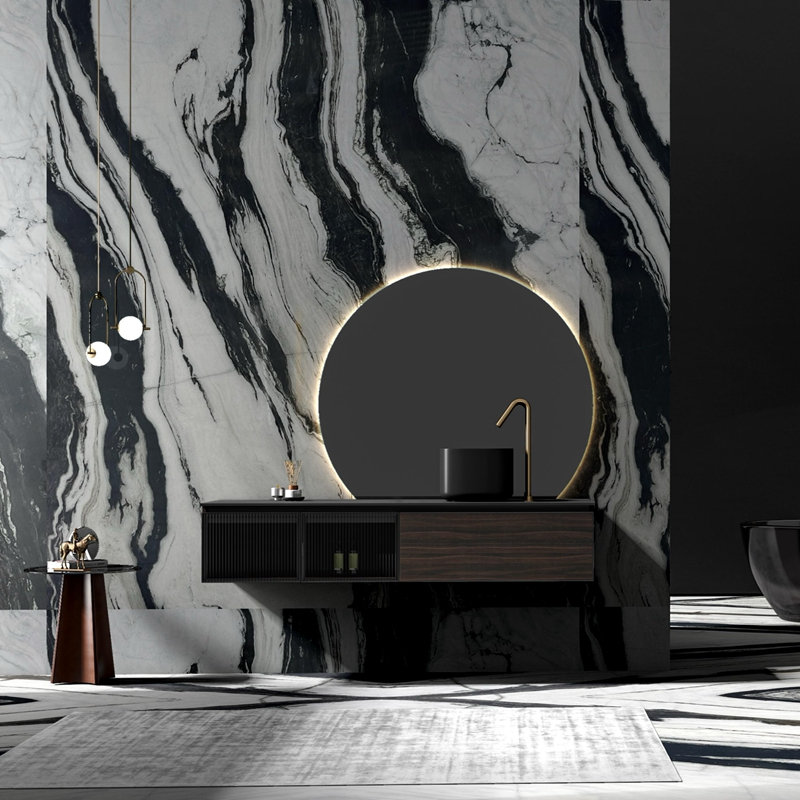
The Timeless Aesthetic Contrast of White Marble and Wood
Cool luminosity vs. warm organic texture: a sensory counterpoint
White marble draws the eye with its polished, light-reflecting surface—its cool luminosity creates an airy, expansive feel that visually enlarges any space. Wood, by contrast, introduces soft, tactile warmth that invites touch and adds comfort. This interplay forms a rich sensory counterpoint: the stone’s smooth, cool surface against wood’s textured, organic grain. Designers consistently observe that the pairing mitigates the clinical sterility of all-marble interiors while preventing wood-dominant spaces from feeling overly rustic or heavy. Rooted in biophilic design principles—which link exposure to natural materials with reduced stress and improved well-being—the combination strikes a balance between permanence and growth, light and shadow, structure and nature. The visual weight of white marble, often perceived as elegant but unyielding, is softened by wood’s inherent irregularity, making this dialogue between materials a cornerstone of high-end residential and boutique hospitality design.
Veining complexity in white marble meets wood grain uniqueness
No two slabs of white marble are identical; each bears a distinct network of grey or gold veins formed by mineral impurities over millennia. This veining adds movement and depth, transforming a static surface into a dynamic visual feature. When paired with wood, the flowing lines of marble echo the organic grain patterns in timber—yet their expressions differ: marble veins tend toward sharp, linear precision, while wood grain follows softer, more irregular paths. This contrast highlights the unique character of both materials—the marble’s disciplined, almost calligraphic strokes meeting the wood’s spontaneous, swirling knots. A Carrara marble backsplash with feathery, subtle veining pairs elegantly with the straight, pronounced grain of white oak; a bold Calacatta slab with stormy, dramatic veins finds equilibrium with the faint, even texture of maple. The result is a cohesive, bespoke composition that celebrates natural variation—ensuring the pairing never feels mass-produced or predictable.
Functional Synergy: How White Marble and Wood Complement Each Other in Residential Spaces
The pairing of white marble and wood goes beyond aesthetics—it solves practical challenges in everyday living. White marble offers cool, light-reflective surfaces that resist heat and moisture when properly sealed, while wood contributes tactile warmth and sound absorption. Together, they create spaces that feel both spacious and inviting.
Kitchen islands and countertops: leveraging white marble’s durability and wood’s tactile warmth
In the kitchen, white marble countertops and islands meet the functional demands of daily meal prep. Its natural density resists scratches and heat, making it ideal for pastry work or placing hot cookware (with a trivet). Wood accents—such as a butcher-block extension or bar stools—soften the hard surface without compromising utility, preventing the room from feeling clinical. On a sensory level, cool marble meets the warmth of smooth wood grain, while the stone’s reflectivity brightens the workspace, reducing reliance on artificial lighting during daylight hours. In open-plan layouts, the marble-and-wood island becomes a visual anchor—bridging the cook zone and adjacent living area with clarity and cohesion.
White marble bathrooms with wood vanities: hygiene, scale, and material balance
White marble delivers a sanitary, easy-to-clean surface in bathrooms when properly sealed, repelling water and inhibiting bacterial growth. Its luminous quality also enhances spatial perception—especially valuable in compact spaces—by reflecting ambient light from windows or fixtures. Paired with a wood vanity, the room gains essential warmth without sacrificing hygiene. Modern moisture-resistant finishes allow wood to perform reliably in humid environments, and its natural grain offsets the stone’s cool formality. Proportion is key: a floating wood vanity against floor-to-ceiling marble cladding establishes a balanced vertical rhythm, while a solid wood cabinet grounds the airy expanse of a marble-tiled floor. This synergy transforms a utilitarian bathroom into a serene retreat—one where the senses are calmed by both the cool touch of marble and the organic warmth of wood.
Style-Neutral Versatility: White Marble and Wood Across Design Movements
Scandinavian minimalism, Japandi, and modern organic interiors—why white marble anchors cohesion
White marble’s luminous, neutral surface serves as a unifying element across diverse design languages. In Scandinavian minimalism, its light-reflective quality amplifies natural daylight, enhancing the sense of airiness and openness. Pairing white marble countertops with pale oak cabinetry creates seamless monochromatic harmony—the stone’s subtle veining adds quiet interest without disrupting calm. Japandi design, which merges Japanese restraint with Scandinavian simplicity, often selects honed white marble for its matte, tactile surface—complementing dark, textured woods like walnut. Here, the interplay of cool stone and warm wood embodies wabi-sabi’s reverence for imperfection, anchoring a grounded, serene atmosphere. Modern organic interiors embrace raw materials, using white marble as a sculptural focal point—a waterfall-edge island or dramatic backsplash—that grounds the composition, while wood elements introduce layered warmth. Across all three styles, marble’s achromatic neutrality prevents color clashes and acts as a versatile canvas, allowing its veining—from soft, large-scale patterns to bold, linear markings—to adapt effortlessly to any wood species or finish. This flexibility reduces decorative clutter, letting the innate beauty of both materials define the space.
Practical Considerations for Implementing White Marble and Wood Pairings
Integrating white marble with wood requires attention not only to aesthetics but also to the materials’ inherent properties and long-term care. Marble’s porous nature makes it vulnerable to staining from acidic substances like wine or citrus, so regular sealing is non-negotiable—a high-quality sealant applied every 6–12 months preserves its luminous finish while protecting against etching and discoloration. Wood, meanwhile, responds to environmental shifts: maintaining stable humidity levels helps prevent warping or cracking, especially in moisture-prone zones like kitchens and bathrooms where marble is commonly used.
Lighting significantly shapes how the pairing reads in a space. Natural light and warm-toned artificial sources enhance the subtlety of marble’s veining and the richness of wood grain, adding dimension and depth. In smaller rooms, strategic use—such as marble as a backsplash or vanity top—avoids overwhelming coolness, while wood cabinetry or shelving provides necessary warmth and visual grounding.
Cost and quality vary widely among white marbles: Carrara offers affordability and classic appeal but is softer and more porous than premium options like Calacatta or Statuario. Responsible sourcing is increasingly important—look for suppliers adhering to sustainable quarrying practices certified by organizations such as the Natural Stone Institute, which promotes ethical extraction and environmental stewardship. Ultimately, restraint defines success: let white marble serve as the focal point, and allow wood to support with tone, texture, and tactility—not competition—ensuring a durable, balanced design that ages with integrity and grace.
FAQ
Why is the pairing of white marble and wood so popular in interior design?
The pairing combines cool luminosity with warm organic texture, creating a balanced aesthetic and rich sensory experience. It softens the sterile appearance of all-marble interiors while preventing wood-heavy spaces from feeling overly rustic.
Can white marble and wood be used in moisture-prone areas like bathrooms and kitchens?
Yes, when properly sealed and treated, white marble resists moisture and stains, while modern moisture-resistant wood finishes ensure durability in humid environments.
How do lighting conditions affect the appearance of white marble and wood in a space?
Natural light and warm artificial lighting enhance the subtleties in marble veining and wood texture. These lighting choices add depth and dimension, making the combination feel harmonious and inviting.
What are some practical care tips for maintaining white marble and wood?
White marble requires regular sealing every 6–12 months to prevent staining or etching. Wood needs stable humidity levels to avoid warping or cracking, especially in moisture-sensitive environments.
How can designers ensure sustainable sourcing of white marble?
By selecting suppliers certified by organizations like the Natural Stone Institute, which promotes ethical quarrying practices and environmental responsibility.
Table of Contents
- The Timeless Aesthetic Contrast of White Marble and Wood
- Functional Synergy: How White Marble and Wood Complement Each Other in Residential Spaces
- Style-Neutral Versatility: White Marble and Wood Across Design Movements
- Practical Considerations for Implementing White Marble and Wood Pairings
-
FAQ
- Why is the pairing of white marble and wood so popular in interior design?
- Can white marble and wood be used in moisture-prone areas like bathrooms and kitchens?
- How do lighting conditions affect the appearance of white marble and wood in a space?
- What are some practical care tips for maintaining white marble and wood?
- How can designers ensure sustainable sourcing of white marble?