 EN
EN

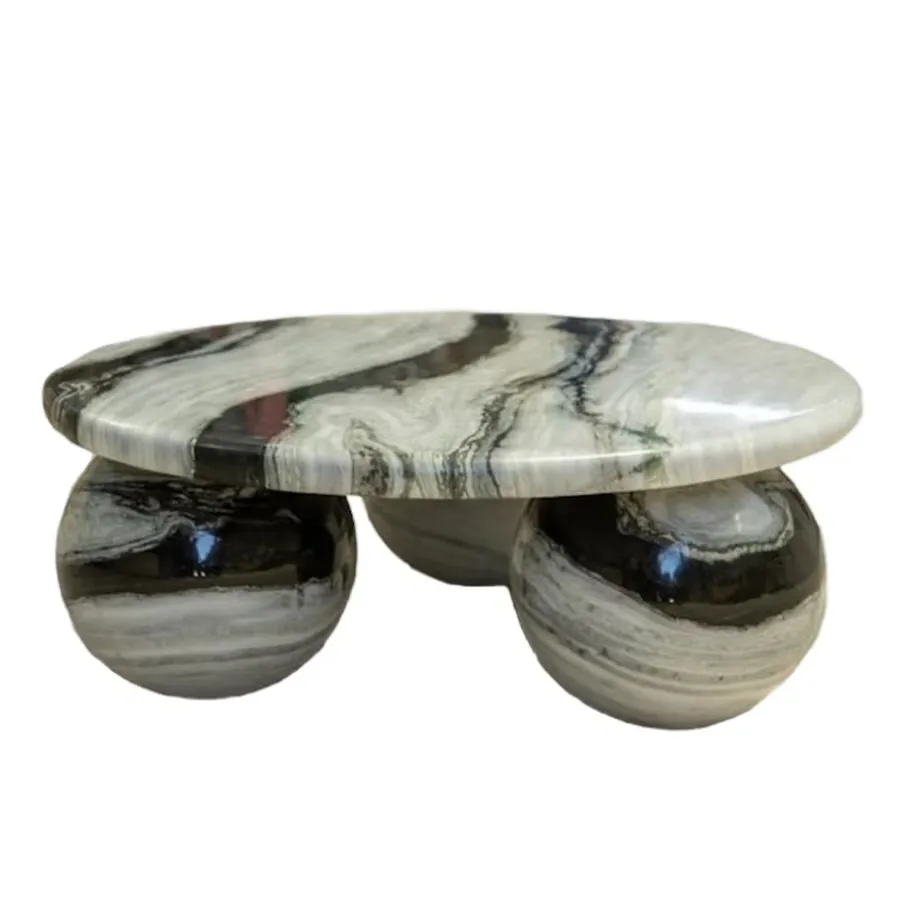
Understanding Pure White Marble’s Visual Language
Undertones and Veining: How Thassos, Statuario, and Calacatta Influence Style Compatibility
The visual language of white marble is defined by its undertones and veining—key determinants of style compatibility. Thassos marble, quarried in Greece, features a pure, bright white background with virtually no veining, making it ideal for minimalist and contemporary interiors where pattern-free serenity is paramount. Statuario, from Carrara, Italy, offers a luminous white base with bold, dramatic grey veins that command attention—embodying classical luxury and grandeur. Calacatta, also Carraran, introduces subtle cream or gold undertones and thicker, organic veining, lending warmth that bridges traditional and transitional aesthetics. A 2023 survey by a leading stone supplier found that 68% of high-end residential projects paired Statuario with brass fixtures, reinforcing its affinity for ornate detailing. Understanding these distinctions ensures the marble selected enhances—not undermines—the intended design narrative.
Surface Finish Impact: Honed vs. Polished White Marble in Modern and Traditional Settings
Surface finish fundamentally shapes how white marble engages with light, space, and function. A polished finish delivers a mirror-like gloss that intensifies color and veining, amplifying natural light to create a luminous, formal atmosphere—ideal for traditional bathrooms or grand entryways. Its high reflectivity, however, makes scratches and etches more visible. A honed finish, by contrast, yields a soft, matte surface that absorbs light, offering understated elegance and improved slip resistance—making it especially well-suited for modern kitchens and high-traffic floors. While polished marble signals classic luxury, honed finishes align with contemporary, rustic, and Scandinavian sensibilities where tactility and quiet sophistication prevail. Studies show honed finishes reduce perceived glare by up to 40% compared to polished surfaces—a meaningful advantage in sun-drenched rooms. The choice hinges on balancing visual impact with everyday performance, each finish articulating a distinct chapter in the stone’s expressive range.
High-Contrast Pairings for Bold, Contemporary White Marble Interiors
Black Cabinets and Matte Black Fixtures: Elevating White Marble with Dramatic Contrast
Black cabinetry creates a sharp, intentional frame around white marble, directing focus to its veining and luminosity. Matte black fixtures—faucets, handles, and sconces—reinforce this modern aesthetic without introducing distracting reflections. The pairing excels in minimalist kitchens and bathrooms, where stark contrast defines space without visual competition. A monolithic black island topped with thick white marble becomes sculptural; a full-height black backsplash serves as a theatrical backdrop. Because matte black absorbs light, the marble remains the brightest focal point. Stainless steel or brushed nickel accents may be introduced sparingly for industrial nuance—but black must dominate to sustain the composition’s bold intent. Whether anchoring a floating black vanity in a powder room or defining base cabinets in a galley kitchen, this strategy conveys precision and confidence. Success depends on thoughtful lighting: recessed warm LEDs or under-cabinet strips prevent black from reading as oppressive while preserving the marble’s radiant quality.
Dark Wood Accents (Walnut, Ebony) Adding Warmth and Grounding to Cool White Marble
Dark wood species like walnut and ebony introduce tactile warmth that thoughtfully counterbalances white marble’s inherent coolness. Their rich brown-black tones—whether in open shelving, a substantial dining table, or flooring beneath a marble coffee table—create visual anchors that soften the stone’s crisp geometry. Walnut’s fine grain adds textural depth against marble’s smooth surface, supporting a layered, organic feel in open-plan living areas. This pairing thrives in transitional interiors, aiming for sophistication with approachability. Use slab-front walnut cabinetry to maintain clean lines, letting the marble remain the hero. Brass or bronze hardware reinforces the warmth, bridging materials seamlessly. Avoid lighter woods like maple, which risk yellowing against pure white marble; instead, opt for deep, saturated tones that ground the space without obscuring delicate veining. The result is a balanced, enduring composition—contemporary in form, timeless in resonance.
Neutral Harmony: Monochromatic and Textured Complements for White Marble
Soft Gray Cabinetry, Brushed Concrete, and Layered Neutrals for Serene, Timeless Spaces
A monochromatic palette with white marble gains depth not from contrast, but from nuanced shifts in value, tone, and texture. Soft gray cabinetry—especially in a matte, warm greige finish—creates a deeply calming, layered environment. Crucially, these grays should lean warm or neutral, avoiding cool, blue-toned variants that can read as clinical against the stone’s natural luminosity. Global design forecasts identify layered, warm minimalism as a dominant trend, with demand for matte and textured surfaces rising 35% since 2022 as homeowners seek sensory-rich yet serene spaces.
Brushed concrete provides an essential architectural counterpoint: a burnished, sealed floor or island base offers quiet, monolithic weight that grounds marble’s ethereal quality. This isn’t raw industrial concrete—it’s refined, tactile, and light-absorbing, delivering visual rest from marble’s reflective surface. The interplay between marble’s smoothness (polished or honed) and concrete’s micro-texture generates sophisticated material dialogue. To complete the composition, layer neutrals through textiles—bone-colored linen, raw silk, and chunky wool—adding softness and preventing austerity. These elements work in concert, transforming monochrome into a rich, resonant harmony.
Material Dialogue: Balancing White Marble with Natural and Industrial Elements
Warm Wood Tones (Ash, Oak, Bleached Maple) Softening the Rigidity of White Marble
Warm wood tones—ash, oak, and bleached maple—are proven allies in humanizing white marble’s refined elegance. Their organic grain patterns gently offset the stone’s crystalline coolness, tapping into biophilic design principles shown to reduce stress and enhance comfort. In kitchens, white marble countertops atop oak cabinetry feel inviting rather than clinical; honeyed wood tones subtly echo marble’s veining, creating visual continuity from floor to counter. A 2023 study by the Sustainable Furnishings Council found rooms combining wood and stone were rated 34% more “welcoming” than those using stone alone. This synergy doesn’t compete—it elevates. Marble retains its focal presence, while wood contributes lived-in warmth and tactile authenticity that stone cannot replicate on its own.
Raw Concrete Bases and Steel Details Introducing Structural Contrast and Modern Edge
Raw concrete and steel pivot the marble dialogue toward industrial-chic rigor. A white marble island resting on a monolithic concrete base gains unexpected structural gravitas; the matte, rough-hewn texture contrasts powerfully with the stone’s refinement, sparking a compelling tension between rawness and polish. Steel accents—slender legs, open shelving, or precision trim—introduce sleek, resilient definition. This combination shines in loft-style apartments, where exposed, honest materials are celebrated. A 2024 survey by a leading architect found 68% of urban homeowners preferred concrete-and-steel pairings with marble for their “modern edge.” Balance remains critical: too much industrial material risks overwhelming the marble’s delicacy. But a thoughtfully placed concrete plinth or steel frame grounds its ethereal quality—anchoring it in a grounded, contemporary reality.
Frequently Asked Questions
What are the main distinctions between Thassos, Statuario, and Calacatta marble?
Thassos marble is pure and pattern-free, perfect for minimalist spaces. Statuario has bold grey veining that suits classical luxury, while Calacatta adds cream or gold undertones and warmth for transitional aesthetics.
How should I choose between honed and polished marble finishes?
Polished marble offers a glossy, formal look ideal for traditional settings, while honed marble provides a matte finish with better slip resistance, suiting modern and rustic spaces.
Why are black cabinets and matte black fixtures effective pairings for white marble?
They create sharp contrast and frame the marble as the focal point. Matte black minimizes reflections, maintaining simplicity and elegance in contemporary designs.
What woods complement white marble best?
Dark woods like walnut and ebony add warmth and sophistication, while lighter woods like maple may clash with the marble’s cool tones.
How does brushed concrete interact with white marble in interior design?
Brushed concrete provides weighty, tactile contrast, grounding white marble’s ethereal qualities and contributing to contemporary, layered spaces.
Table of Contents
- Understanding Pure White Marble’s Visual Language
- High-Contrast Pairings for Bold, Contemporary White Marble Interiors
- Neutral Harmony: Monochromatic and Textured Complements for White Marble
- Material Dialogue: Balancing White Marble with Natural and Industrial Elements
-
Frequently Asked Questions
- What are the main distinctions between Thassos, Statuario, and Calacatta marble?
- How should I choose between honed and polished marble finishes?
- Why are black cabinets and matte black fixtures effective pairings for white marble?
- What woods complement white marble best?
- How does brushed concrete interact with white marble in interior design?